
Have you ever noticed Allium Sativum (garlic) listed on a skincare label and wondered what that actually does for your skin?
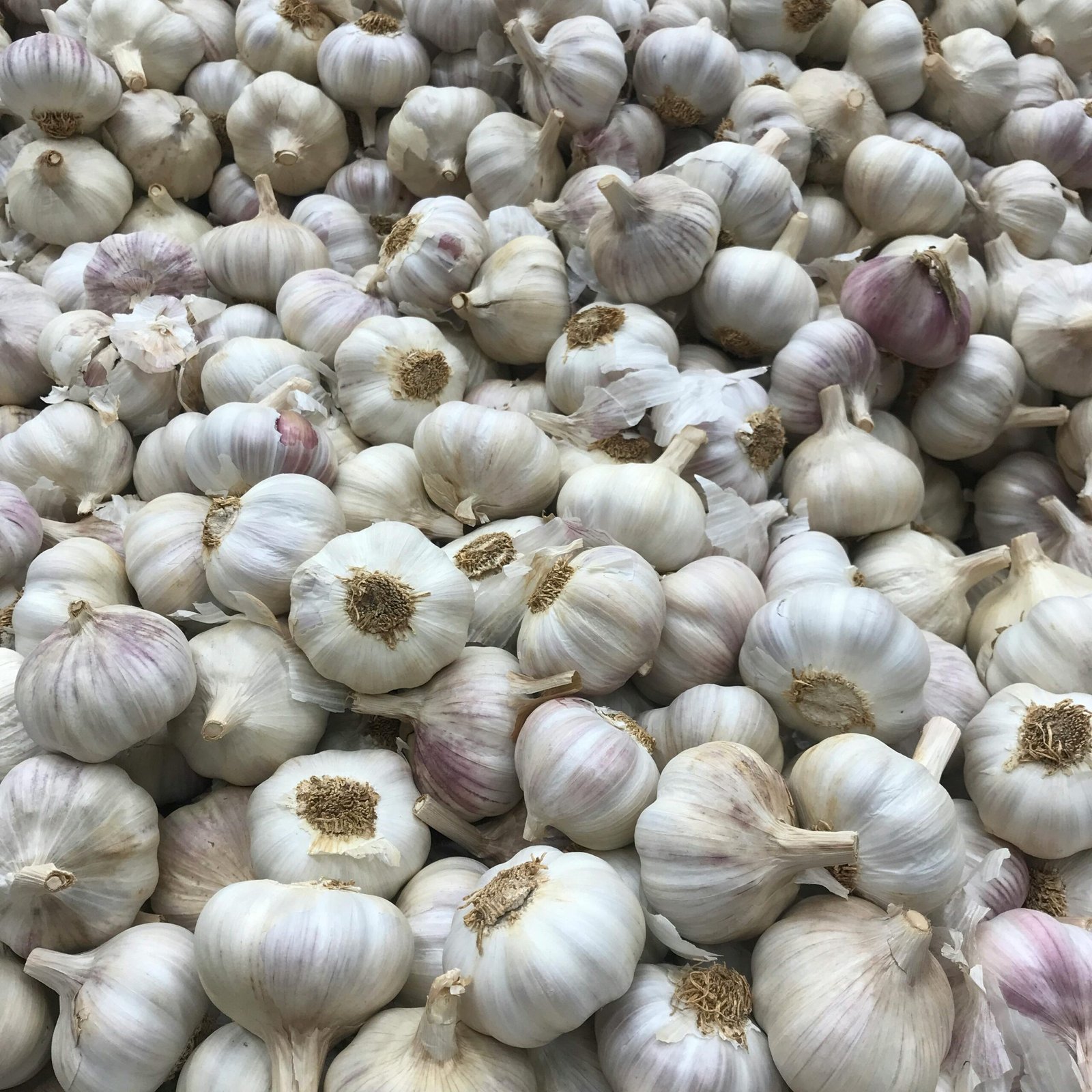
Understanding Allium Sativum (Garlic) Bulb Extract Benefits in Skincare
This article helps you understand why garlic extract appears in formulations like medicube Collagen Jelly Cream — Niacinamide & Freeze-Dried Hydrolyzed Collagen — and what it may contribute to your skincare routine. You’ll get a clear look at active compounds, extraction methods, potential benefits, safety concerns, and how garlic extract interacts with other key ingredients such as niacinamide, hydrolyzed collagen, and Avena Sativa (oat) kernel extract.
Why this matters to you
You want to know what you’re putting on your face, and whether those ingredients are helpful or potentially irritating. Knowing how garlic extract behaves in a finished cream lets you make better choices about frequency of use, combination with other actives, and which skin concerns it may support.
What is Allium Sativum (Garlic) Bulb Extract?
You probably know garlic as a culinary staple; in skincare it’s used in a different, more refined form. Allium Sativum Bulb Extract (INCI name) refers to a concentrated preparation derived from the garlic bulb. The extract can be produced by water, alcohol, oil, or other solvent extraction methods, and its composition depends on how it was prepared.
Common names and labeling
You’ll see it labeled as Allium Sativum Bulb Extract or simply garlic bulb extract on ingredient lists. Because the INCI name is standardized, you can reliably recognize it across products.
Key active compounds in garlic and what they do
Garlic contains multiple biologically active molecules. These are the ones most relevant to skincare:
- Allicin and related organosulfur compounds: Known for antimicrobial and antioxidant activity.
- Flavonoids and phenolic compounds: Offer antioxidant benefits.
- Selenium, vitamins (e.g., vitamin C), and trace minerals: Provide supportive antioxidant properties.
- Fructans and polysaccharides: Can have prebiotic or soothing-like effects depending on extraction.
Table — Active compounds and potential skin effects
| Compound category | Primary properties | How it may affect your skin |
|---|---|---|
| Allicin & organosulfur compounds | Antimicrobial, antiseptic, antioxidant | May help reduce bacteria on the skin surface and support blemish-prone skin. |
| Flavonoids & phenolics | Antioxidant, free radical scavenging | May reduce oxidative stress that contributes to aging and dullness. |
| Selenium & vitamins | Antioxidant cofactors | Support cellular antioxidant systems and overall skin health. |
| Polysaccharides | Soothing, film-forming potential | May assist hydration and texture; depends on extraction and formulation. |
How garlic extract is prepared for skincare
Extraction method influences which compounds are present and how potent the extract is. Typical methods include aqueous (water) extraction, ethanol extraction, oil maceration, and supercritical CO2 extraction.
Table — Extraction methods: pros and cons
| Method | What it pulls out | Advantages | Disadvantages |
|---|---|---|---|
| Aqueous (water) | Water-soluble compounds, some polysaccharides | Gentle, food-grade, minimal solvents | May miss some lipid-soluble antioxidants; can smell strong |
| Ethanol | Broad range including many phenolics, organosulfur | Good extraction of active phenolics and allicin precursors | Can extract irritants; residual solvent considerations |
| Oil maceration | Oil-soluble components, volatile oils | Useful for oil-based products, less pungent when stabilized | May not extract water-soluble actives |
| Supercritical CO2 | Selective extraction of volatiles and organosulfur | Cleaner extract, reduced odor, high purity | Costly; formulation complexity |
What this means for the product in your hand
A finished cream like medicube Collagen Jelly Cream likely uses a stabilized, standardized extract selected for safety, reduced odor, and compatibility with the cream’s texture. Manufacturers often balance extraction and formulation techniques to keep beneficial compounds while minimizing irritation and smell.

Evidence-based benefits of garlic extract for skin
Research suggests several potential benefits, but you should interpret findings with care since many studies are preliminary or use model systems.
Antimicrobial action (including acne-prone skin)
Garlic’s organosulfur compounds, especially allicin, have antimicrobial properties against a range of bacteria and fungi. For you, that means topical formulations containing standardized garlic extract may help reduce surface bacterial load that contributes to breakouts. However, topical antimicrobial efficacy depends on concentration, formulation, and how long the active stays in contact with skin.
- Practical takeaway: Garlic extract can be one of several supportive ingredients for blemish-prone skin, but it’s not a replacement for proven acne therapies in moderate to severe cases.
Antioxidant and anti-aging potential
Garlic contains antioxidants that neutralize free radicals. Oxidative stress accelerates collagen breakdown and contributes to fine lines, pigmentation changes, and dullness. By supplying antioxidants, garlic extract may help protect skin from environmental damage and support the benefits you seek from collagen-boosting or niacinamide-containing products.
- Practical takeaway: As part of a multi-ingredient antioxidant strategy, garlic extract may enhance overall protection against oxidative stress.
Wound healing and collagen support
Preclinical studies and some topical studies demonstrate that garlic extracts can promote wound healing, possibly by stimulating fibroblast activity and modulating inflammation. There’s evidence that garlic compounds can upregulate collagen synthesis in certain models, which aligns conceptually with the product’s focus on collagen.
- Practical takeaway: Garlic extract may complement collagen-targeted ingredients by supporting a microenvironment conducive to healthy repair, but it should not be relied upon as the sole stimulant of collagen production.
Anti-inflammatory effects
Some components of garlic modulate inflammatory pathways and cytokine expression, which may help with redness and irritation under controlled conditions. That can be useful when combined with calming agents in a cream to reduce inflammatory contributors to aging and acne.
- Practical takeaway: The combination of garlic extract and soothing ingredients like oat extract increases the likelihood of anti-inflammatory benefits without excessive irritation.
Brightening and pigmentation
Evidence for direct depigmenting effects is less robust. There are some studies suggesting antioxidant and anti-inflammatory actions can indirectly improve appearance of post-inflammatory hyperpigmentation, but garlic extract is not primarily a skin-lightening agent.
- Practical takeaway: Expect modest support through reduction of inflammatory triggers, not dramatic skin-lightening results.
How garlic extract works at the cellular level
Understanding mechanisms helps you see why it might be included alongside niacinamide and collagen.
- Antimicrobial: Organosulfur compounds disrupt bacterial cell walls and enzyme systems, reducing colony-forming ability.
- Antioxidant: Flavonoids and sulfur compounds scavenge free radicals and support endogenous antioxidant enzymes (e.g., glutathione system).
- Collagen support: Some garlic constituents stimulate fibroblast proliferation and collagen gene expression in vitro, which can support dermal matrix health.
- Anti-inflammatory: Garlic metabolites modulate inflammatory mediators (e.g., decreasing certain cytokines) and can reduce oxidative-triggered inflammation.
How garlic extract complements other active ingredients in medicube Collagen Jelly Cream
You’ll make the most of each ingredient when they work synergistically rather than counteract one another.
Niacinamide (Vitamin B3)
Niacinamide is a versatile, well-tolerated active that strengthens the skin barrier, regulates sebum production, reduces hyperpigmentation, and has anti-inflammatory effects. When garlic extract is paired with niacinamide:
- You benefit from combined antimicrobial and anti-inflammatory support.
- Niacinamide’s barrier-strengthening properties can reduce the risk of irritation from garlic extract.
- Together they can help improve skin tone and texture while minimizing sensitivity.
Freeze-Dried Hydrolyzed Collagen
Hydrolyzed collagen is broken down into peptides that act primarily as humectants and can improve skin feel and moisture retention. Freeze-drying can preserve peptide structure. In combination:
- Garlic’s putative fibroblast-stimulating effects may complement the perceived plumping and hydration of hydrolyzed collagen.
- The collagen peptides improve surface hydration and tactile smoothness while garlic may help maintain a healthier dermal environment.
Avena Sativa (Oat) Kernel Extract
Oat extract brings soothing compounds like avenanthramides and beta-glucans. When oat extract is present with garlic extract:
- Soothing agents reduce the chance of irritation and provide immediate comfort.
- Oat’s anti-itch and anti-inflammatory effects balance garlic’s more bioactive properties, making formulations gentler for sensitive skin.
Integrated effect in a finished cream
In a well-formulated cream, these ingredients are balanced so you get antimicrobial/antioxidant support (garlic), barrier repair and brightening (niacinamide), immediate hydration and texture improvement (hydrolyzed collagen), and soothing (oat). The result is a multi-functional product intended for daily use with lower risk of irritation than concentrated actives alone.
Safety and potential side effects
Knowing risks helps you use products safely.
Irritation and contact dermatitis
Raw garlic applied directly can cause burns and severe contact dermatitis in some individuals. In cosmetic formulations, the extract is usually standardized and diluted, but sensitivity still exists.
- What to watch for: redness, stinging, burning, blisters, or delayed eczema-like reactions.
- Recommendation: Patch test new products containing garlic extract before widespread use.
Allergic reactions
Though rare, true allergy to Allium species can occur. If you have known allergy to garlic or related plants, avoid products containing the extract.
Odor and social considerations
Garlic-derived compounds can impart odor. Formulators often mask or deodorize extracts, but trace scent may remain for some people.
Phototoxicity and light sensitivity
Garlic is not commonly associated with phototoxicity like citrus oils are, but any ingredient that alters skin barrier or causes minor irritation can increase sun sensitivity. Continue to use broad-spectrum sunscreen during the day.
Interactions with other actives
- Combining with abrasive or irritating actives (high-strength benzoyl peroxide, strong AHAs/BHAs, high-dose topical retinoids) may increase irritation.
- Niacinamide generally pairs well with many actives and can help mitigate irritation.
Formulation considerations and product labeling
As a consumer, these points help you interpret how a product might perform.
Concentration matters
Manufacturers rarely disclose exact concentrations of botanical extracts. Efficacy and risk depend strongly on concentration and standardization of active compounds. Even low concentrations can contribute benefits in synergy with other actives.
Standardization and quality control
Look for brands that standardize their botanical extracts by active markers (e.g., a percentage of allicin-equivalents) or provide quality assurance. That increases consistency.
Stability and preservation
Garlic compounds can oxidize; formulation stability and appropriate preservatives help maintain efficacy and safety. Reputable products will ensure the extract remains effective through the product’s shelf life.
Odor management
If you’re sensitive to scent, check reviews or brand notes about odor. Many modern formulations neutralize or mask garlic scent.
How to use products with garlic extract safely and effectively
You want to integrate a new product without causing irritation.
Patch test procedure
- Apply a small amount of product behind your ear or inside your forearm.
- Cover and leave for 24 hours.
- Check for any redness, swelling, itching, or blistering.
- If irritation occurs, discontinue use.
Incorporation into your routine
- Frequency: Start once every other day, then increase to daily use if tolerated.
- Morning vs evening: Use whenever it fits your routine, but remember to use sunscreen if you’re combining with other actives that may increase sensitivity.
- Avoid combining with freshly exfoliated or raw skin (post-procedure) unless advised by a professional.
Matching to skin types
- Oily / acne-prone: You may benefit from antimicrobial properties, but monitor for irritation.
- Combination: Suitable when combined with calming agents like oat extract and niacinamide.
- Dry: Look for hydrating companions like hydrolyzed collagen and humectants; patch test to ensure no excessive dryness or stinging.
- Sensitive / rosacea-prone: Proceed cautiously; patch test and prioritize soothing formulations.
Practical scenarios and product expectations
These examples help you set realistic expectations for medicube Collagen Jelly Cream or similar formulations.
- If your primary goal is hydration and improved texture: The hydrolyzed collagen and cream base will give immediate improvement in skin feel. Garlic extract may add antioxidant support without being the main driver.
- If your primary goal is clearer skin with fewer breakouts: Garlic’s antimicrobial action could provide supportive benefits but should be part of a broader acne regimen if you have persistent concerns.
- If your primary goal is anti-aging: The combination of antioxidant protection (garlic), barrier and brightening support (niacinamide), and hydration (collagen peptides) forms a multi-layered approach that targets several aging mechanisms.
Common misconceptions
Clearing up a few points helps you avoid confusion.
- “Garlic extract will smell like garlic.” Modern extracts and formulations are often deodorized and combined with other fragrance masking methods. Trace odor can remain, but it’s usually mild.
- “Garlic extract will dramatically boost collagen on its own.” While some studies show collagen support, expect modest effects in topical application and consider multiple complementary ingredients for meaningful results.
- “Garlic extract is only for acne.” It has broader antioxidant and anti-inflammatory actions that support overall skin health, not only blemish control.
Quick-reference table — Benefits vs precautions
| Potential benefit | How it helps you | Precaution |
|---|---|---|
| Antimicrobial | Supports clearer surface microbiome | May irritate sensitive skin |
| Antioxidant | Protects against environmental damage | Efficacy depends on extract quality |
| Anti-inflammatory | Reduces redness and irritation | Synergistic soothing agents improve tolerance |
| Collagen support | May stimulate fibroblasts and support repair | Not a standalone collagen-building therapy |
| Soothing (when combined with oat) | Improves comfort and reduces itching | Look for balanced formulations |
Frequently asked practical questions
Can garlic extract replace prescription acne medications?
No. It can be supportive for mild or occasional breakouts but is not a substitute for prescription topical or oral therapies in moderate to severe acne.
Is it safe during pregnancy?
Botanical extracts can be safe but you should consult your healthcare provider if you’re pregnant or breastfeeding before introducing new topical actives.
Will garlic extract bleach or darken my skin?
There’s no strong evidence that topical garlic extract causes pigmentation changes. If you notice any unusual darkening, stop usage and consult a dermatologist.
Can you combine it with vitamin C or retinol?
You can combine them, but watch for irritation. If you use strong retinoids or high-concentration vitamin C, introduce the garlic-containing product gradually and monitor skin response.
How to read the ingredient list like a pro
When you look at a product label:
- Ingredients are listed in descending order by concentration. If Allium Sativum Bulb Extract appears near the end, its concentration is lower.
- Look for niacinamide and hydrolyzed collagen listed earlier if those are core benefits you want.
- Avena Sativa (Oat) Kernel Extract listed close to the top indicates the formulation prioritizes soothing.
Final recommendations for using products with garlic extract
- Patch test first and introduce slowly.
- Use alongside barrier-supporting and soothing ingredients (niacinamide, oat extract) to lower the risk of irritation.
- Expect supportive antimicrobial and antioxidant benefits rather than dramatic single-ingredient transformations.
- If you have sensitive skin or known Allium allergy, approach cautiously or avoid.
Conclusion
You now have a practical framework for understanding Allium Sativum (Garlic) Bulb Extract in skincare. In formulations like medicube Collagen Jelly Cream, garlic extract generally plays a supporting role: offering antioxidant and antimicrobial properties that complement niacinamide’s barrier and brightening benefits, the hydrating feel of hydrolyzed collagen, and the soothing effects of oat extract. When used in a balanced product, garlic extract can contribute to improved skin health with manageable risk, provided you patch test and monitor your skin’s reaction.
If you’d like, you can tell me which skin concerns you’re targeting and I’ll help you evaluate whether a product containing garlic extract fits your routine and how best to layer it with other actives.