Let us present a concise overview of Skin Care Products Every Person Needs for Radiant Skin. A holistic plastic surgeon, Doctor Youn, identifies five essential products, explains why they are mandatory, and demonstrates brief routines to promote firmer, younger-looking skin.
This piece outlines each product’s role, application tips, and complementary strategies such as a two-minute regimen and five natural anti-aging approaches, while noting a cruelty-free product line and how to access a free e-book and media contact information. Let us guide readers through practical steps and reputable resources to incorporate these essentials into daily care for visibly healthier skin.
Gentle Cleanser
We begin with a gentle cleanser because a thoughtful cleansing step sets the foundation for every routine; it removes surface impurities while preserving the skin’s natural barrier. Choosing the right cleanser reduces irritation, prevents over-drying, and improves the performance of subsequent treatments.
Purpose and benefits: removes dirt, oil, makeup and environmental pollutants without stripping skin
Our cleanser’s primary role is to lift away dirt, excess sebum, makeup and environmental pollutants accumulated throughout the day or night. When formulated and used correctly, a gentle cleanser cleans without stripping lipids and proteins from the epidermis, which helps maintain hydration, reduces sensitivity, and supports an intact barrier function.
How to choose: match formulation to skin type (gel or foam for oily, cream or balm for dry/sensitive)
We recommend selecting a formulation that aligns with our skin type: gel or foam cleansers work well for oily, combination, or acne-prone skin because they remove excess oil efficiently, while cream or balm cleansers are preferable for dry or sensitive skin because they cleanse while adding emollience. We should also consider pH-balanced options and avoid formulas that produce an overly tight or squeaky sensation.
When and how often to use: morning and evening; gentle massage for 20–60 seconds then rinse
We suggest cleansing both morning and evening, using a gentle circular massage for roughly 20–60 seconds to ensure thorough removal without aggression. Rinsing with lukewarm water and patting the skin dry helps preserve moisture; double-cleansing may be appropriate in the evening when heavy makeup or sunscreen requires additional removal.
Common ingredients to look for: glycerin, ceramides, mild surfactants, hydrating botanicals
We look for humectants like glycerin, barrier-supporting ceramides, mild surfactants (e.g., sodium cocoyl isethionate or decyl glucoside), and hydrating botanicals such as aloe or panthenol. These ingredients clean effectively while supporting hydration and minimizing irritation for most skin types.
Red flags: fragrances, harsh sulfates, high alcohol content for sensitive skin
We avoid products with added fragrances, harsh sulfates (like sodium lauryl sulfate), and high concentrations of denatured alcohol if our skin is sensitive, reactive, or dry. These ingredients can disrupt the barrier, increase transepidermal water loss, and precipitate redness or flaking.
Exfoliant (Chemical exfoliation)
We view chemical exfoliation as a controlled, effective method to accelerate cell turnover and improve tone and texture without the microtrauma associated with many physical scrubs. When used appropriately, chemical exfoliants refine skin surface and help other actives penetrate more evenly.
Differences between chemical and physical exfoliants and why chemical is often preferred
We note that physical exfoliants rely on mechanical friction to remove dead cells, which can cause microtears and irritation, while chemical exfoliants dissolve intercellular “glue” between corneocytes in a more uniform manner. Because chemical exfoliants can be formulated at controlled strengths and targeted to specific concerns, they are frequently preferred for safety and consistent results.
Main types: alpha hydroxy acids (AHA) for surface texture, beta hydroxy acid (BHA) for oil and pores, polyhydroxy acids for sensitive skin
We categorize exfoliants broadly: AHAs (like glycolic and lactic acid) improve surface texture and pigmentation, BHAs (salicylic acid) penetrate lipid-rich pores and are excellent for acne-prone or oily skin, and polyhydroxy acids (PHAs) offer a gentler alternative suitable for sensitive or barrier-compromised skin while providing humectant benefits.
Frequency and timing: start with once or twice weekly and adjust; avoid using with active retinoids without guidance
We recommend introducing chemical exfoliants gradually—starting once or twice weekly—and adjusting based on tolerance and desired results. We should avoid layering strong exfoliants with retinoids or other potent actives without professional guidance, as combined use increases irritation risk.
How to choose by skin concern: glycolic for dullness, lactic for hydration and sensitivity, salicylic for acne-prone skin
We select agents by concern: glycolic acid is effective for dullness, texture and pigmentation due to its small molecular size; lactic acid offers exfoliation with additional hydration and is gentler for sensitive skin; salicylic acid is oil-soluble and best suited to unclogging pores and treating blemishes.
Safety tips: use sunscreen daily, avoid over-exfoliation, patch test new products
We prioritize safety by applying broad-spectrum sunscreen daily after exfoliation, avoiding overuse to prevent barrier damage, and patch testing new products to identify sensitivity. If we notice persistent stinging, prolonged redness, or compromised barrier function, we should reduce frequency or consult a professional.
Moisturizer
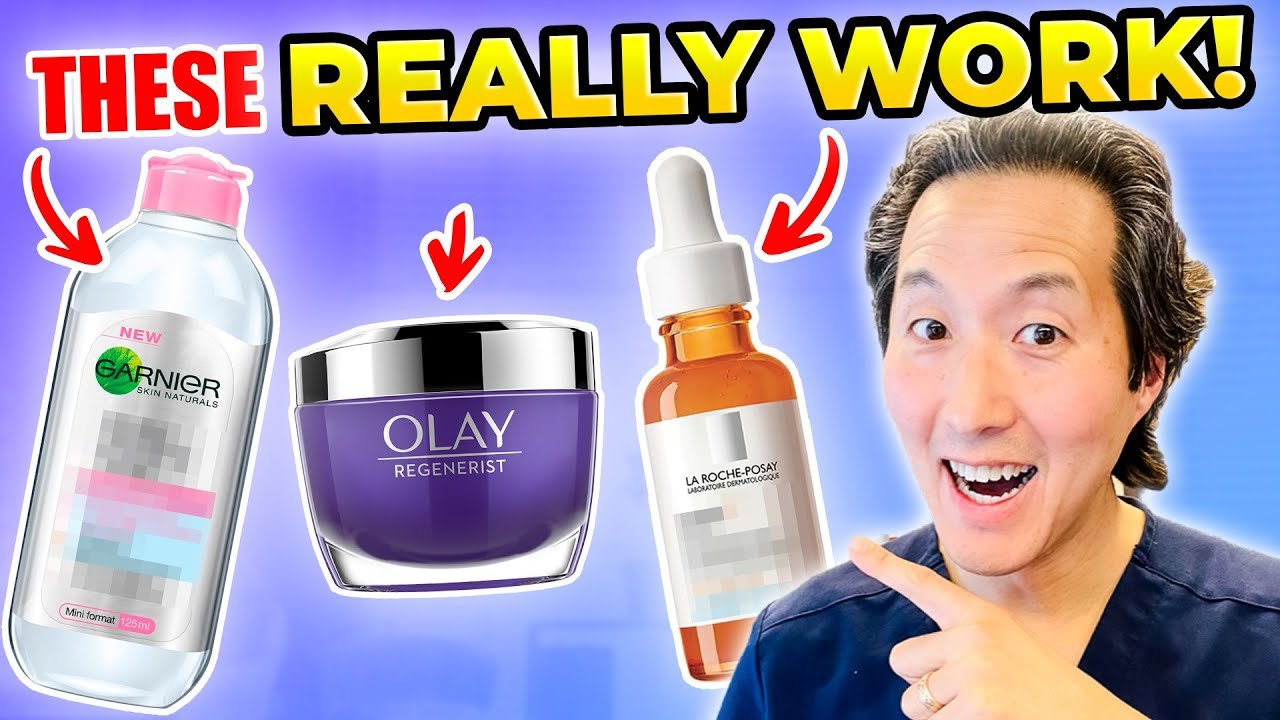
We consider moisturization essential to any routine because it restores barrier lipids, reduces water loss, and provides a base that improves the comfort and function of active ingredients. Proper moisturization contributes directly to skin radiance and resilience.
Why moisturization is essential for radiant skin: restores barrier, reduces TEWL and improves texture
We emphasize that moisturizers replenish ceramides and fatty acids, repair the barrier, and reduce transepidermal water loss (TEWL), resulting in smoother texture and more even skin tone. A healthy barrier also diminishes inflammation and sensitivity, making the skin appear more luminous.
Types and textures: gel and lightweight lotions for oily skin, creams and balms for dry skin, barrier creams for compromised skin
We match texture to need: lightweight gels and lotions suit oily or combination skin by providing hydration without heaviness, whereas richer creams and balms are preferable for dry or cold-weather conditions. For barrier-compromised skin, occlusive barrier creams with petrolatum or dimethicone can be restorative.
Key ingredients: ceramides, fatty acids, cholesterol, humectants like glycerin and hyaluronic acid, occlusives like petrolatum or squalane
We prioritize ingredients that rebuild and retain moisture: ceramides, fatty acids and cholesterol for barrier repair; humectants such as glycerin and hyaluronic acid to attract water; and occlusives like petrolatum, squalane, or dimethicone to trap moisture in the skin.
How to layer: apply to damp skin to lock in hydration, follow serums and treatments
We advise applying moisturizer to slightly damp skin following serums and targeted treatments to lock in hydration and seal actives. This layering order optimizes penetration of lightweight treatments while preventing trans-epidermal water loss.
Special considerations: fragrance-free options for sensitive skin, non-comedogenic for acne-prone skin
We recommend fragrance-free and minimal-ingredient formulations for sensitive skin to reduce potential irritants. For acne-prone or oily skin, non-comedogenic labels and lightweight formulations help provide hydration without clogging pores.
Broad‑Spectrum Sunscreen
We regard broad-spectrum sunscreen as non-negotiable because it prevents both immediate and long-term photodamage; daily, consistent application is foundational to healthy, radiant skin.
Why sunscreen is non-negotiable: protects against UVA/UVB, prevents photoaging, lowers skin cancer risk
We must protect against UVA and UVB to prevent photoaging, pigmentation, collagen breakdown and to reduce the lifetime risk of skin cancer. Regular sunscreen use is one of the most effective interventions to preserve skin health and appearance.
SPF guidance and application amount: use at least SPF 30 daily and reapply every two hours or after swimming/sweating
We recommend an SPF of at least 30 for daily use and more for prolonged sun exposure, and we stress applying a generous amount—about a nickel to quarter-sized portion for the face—and reapplying every two hours or after sweating, swimming or toweling off.
Mineral versus chemical sunscreens: zinc oxide/titanium dioxide options for sensitivity versus chemical filters for cosmetically elegant formulas
We choose physical (mineral) sunscreens with zinc oxide or titanium dioxide when sensitivity or immediate broad-spectrum protection is prioritized, while chemical filters can offer lighter, cosmetically elegant textures and easier blending. Both types can be effective when applied correctly.
How to incorporate into routine: apply as final daytime step, allow time to absorb before makeup
We incorporate sunscreen as the final step in the morning routine, after moisturizer and makeup primer, and allow a brief absorption period before applying cosmetics to ensure even coverage and optimal protection.
Tips for common concerns: tinted formulas for coverage, lightweight options for oily skin, water-resistant for sports
We address preferences by recommending tinted sunscreens to even tone and reduce white cast, lightweight or gel formulas for oily skin types, and water-resistant options for sports or swimming to maintain protection during activity.
Antioxidant Serum (Vitamin C and others)
We include antioxidant serums to neutralize free radicals, support collagen synthesis and enhance photoprotection, making them valuable morning additions that complement sunscreen.
Benefits: neutralizes free radicals, brightens skin, supports collagen production and enhances sunscreen effectiveness
We appreciate that antioxidants scavenge free radicals from pollutants and UV exposure, help reduce oxidative damage, brighten pigmentation, support collagen health, and can improve the efficacy of sunscreen by addressing oxidative pathways.
Forms of vitamin C: L-ascorbic acid for potency, stable derivatives (magnesium ascorbyl phosphate, ascorbyl glucoside) for sensitivity
We select vitamin C forms based on potency and tolerability: L-ascorbic acid offers strong activity but can be unstable and irritating for some, while derivatives such as magnesium ascorbyl phosphate and ascorbyl glucoside are more stable and gentler for sensitive skin.
Complementary antioxidants: vitamin E, ferulic acid, resveratrol and niacinamide synergy
We pair vitamin C with complementary antioxidants like vitamin E and ferulic acid to increase stability and photoprotective efficacy, and consider other actives such as resveratrol or niacinamide for broader antioxidant and barrier benefits based on individual needs.
How to use: apply in the morning after cleansing and before moisturizer and sunscreen
We recommend applying antioxidant serums in the morning after cleansing and before moisturizer and sunscreen so the antioxidants can neutralize daytime oxidative stress and potentiate photoprotective measures.
Storage and stability: opaque, airtight packaging and refrigeration recommended for pure L-ascorbic acid formulas
We store potent vitamin C products—especially pure L-ascorbic acid—inside opaque, airtight containers and, when appropriate, refrigerate unopened or frequently used bottles to slow degradation and preserve potency.
Retinoid or Retinol
We consider retinoids a cornerstone for long-term improvements in texture, pigmentation, and acne control; when introduced appropriately, they yield measurable benefits for skin aging and renewal.
Why retinoids are essential: proven to improve fine lines, texture, pigmentation and acne by increasing cell turnover
We value retinoids for their well-documented ability to increase epidermal turnover, stimulate collagen synthesis, reduce hyperpigmentation, and normalize follicular keratinization—making them effective for fine lines, rough texture, dyschromia, and acne.
Prescription versus over-the-counter options: tretinoin and adapalene prescriptions vs retinol/retinaldehyde OTC
We differentiate prescription agents like tretinoin and adapalene, which are more potent and clinically proven at lower concentrations, from over-the-counter retinol and retinaldehyde, which are milder and require conversion to active forms but are suitable for gradual introduction.
How to introduce safely: start low frequency (once or twice weekly) and build tolerance; use at night
We advise introducing retinoids slowly—beginning with once or twice weekly applications and increasing frequency as tolerance improves—and to use them at night to avoid photosensitivity and instability with UV exposure.
Common side effects and management: dryness, irritation and flaking—use moisturizers, buffering and reduce frequency as needed
We manage common side effects such as dryness, irritation and flaking by buffering with moisturizer (applying moisturizer before or after retinoid), reducing frequency, using lower concentrations, and temporarily pausing application if significant inflammation occurs.
Contraindications and precautions: pregnancy/breastfeeding considerations and interactions with strong exfoliants
We take precautions by avoiding retinoids during pregnancy and breastfeeding and by being cautious when combining retinoids with aggressive exfoliants or procedures that may compromise the barrier; consultation with a clinician is recommended for complex regimens.

Hyaluronic Acid Serum
We include hyaluronic acid (HA) as a reliable hydrator that improves skin plumpness and complements barrier-restoring steps in any routine.
Role in hydration: attracts and holds water to plump skin and reduce fine lines
We rely on HA’s hygroscopic properties to attract and retain water within the epidermis, which temporarily plumps the skin, smooths fine lines and enhances the skin’s tactile and visual appearance.
How it works with other products: layer under moisturizer to lock in hydration; pairs well with peptides and ceramides
We apply HA serums beneath a moisturizer so the humectant draws moisture into the skin and the occlusive or emollient layer seals it in. HA complements peptides and ceramides, creating synergistic hydration and barrier support.
Selecting formulations: molecular weight variations affect penetration; multi-weight hyaluronic products are versatile
We choose products that combine multiple molecular weights of HA to provide both superficial and deeper hydration, since lower molecular weights penetrate more deeply while higher weights retain moisture at the surface.
Application tips: apply to damp skin and follow with a moisturizer to prevent surface evaporation
We apply HA to damp skin and follow with a moisturizer immediately to prevent the humectant from pulling moisture from deeper layers in dry environments; consistent layering preserves the hydrating benefit.
Who benefits most: all skin types, especially dehydrated or mature skin
We find HA beneficial across skin types but especially helpful for dehydrated, combination, and mature skin where plumping and immediate hydration offer noticeable improvements in comfort and appearance.
Niacinamide Serum
We use niacinamide as a versatile, well-tolerated active that supports barrier function, regulates oil production, and addresses redness and hyperpigmentation.
Benefits: strengthens barrier, reduces redness, regulates sebum and improves hyperpigmentation
We appreciate niacinamide for strengthening the lipid barrier, reducing inflammation and redness, modulating sebum production, and diminishing hyperpigmentation by interfering with melanosome transfer.
Compatibility with other actives: generally compatible with vitamin C, retinoids, and hyaluronic acid
We note that niacinamide is broadly compatible with common actives including vitamin C, retinoids and hyaluronic acid, making it an excellent backbone ingredient for both morning and evening routines.
How to use: morning and/or evening after cleansing and before a moisturizer
We apply niacinamide serums after cleansing and before moisturizers, morning and/or evening, depending on concentration and our skin’s needs; it integrates smoothly into most regimens.
Concentration guidance: 2–10% commonly effective; higher concentrations may be more targeted but test for tolerance
We typically recommend concentrations between 2–10% for reliable efficacy with good tolerability, while higher concentrations may offer incremental benefits for specific concerns but should be patch tested for irritation.
Ideal candidates: sensitive, oily, acne-prone and rosacea-prone skin
We find niacinamide particularly useful for those with sensitive, oily, acne-prone, or rosacea-prone skin because it reduces inflammation, balances sebum and supports barrier resilience.
Eye Cream and Periorbital Care
We address periorbital skin with targeted care because the eyelid area is thinner and often shows early signs of fatigue, dehydration and photoaging; dedicated products can improve specific concerns without excess irritation.
Targeted concerns: hydration, fine lines, dark circles and puffiness
We select eye products based on the primary concern—hydration for crepey skin, peptides and retinoids for fine lines, brightening agents for dyschromia, and caffeine or lymphatic-supporting ingredients for transient puffiness.
Key ingredients to look for: caffeine for puffiness, peptides and retinoids for fine lines, vitamin C and niacinamide for brightening
We look for caffeine to temporarily reduce puffiness, peptides and lower-strength retinoids for structural improvement, and vitamin C or niacinamide for addressing discoloration and improving radiance, while keeping formulations gentle.
How to apply: use ring finger and gentle tapping motions, apply small amounts morning and night
We apply eye products sparingly—using the ring finger to minimize pressure—and gently tap small amounts onto the orbital bone morning and night, avoiding rubbing or pulling the delicate skin.
When to use specialty treatments: choose thicker formulations for night and lightweight ones for daytime under makeup
We save richer, occlusive eye treatments for nighttime repair and select lightweight, fast-absorbing formulations during the day that layer well under concealer and sunscreen without causing creasing.
When professional treatments may be needed: persistent deep hollows, severe pigmentation or bags
We recognize that persistent deep hollows, pronounced pigmentation unresponsive to topical care, or true fat herniation causing bags often require evaluation and treatment by a trained professional for optimal outcomes.
Conclusion
We summarize the essentials and reaffirm principles that guide sustainable, effective skin care while encouraging personalization and safety in implementation.
Core essentials recap: cleanser, moisturizer, sunscreen, antioxidant, retinoid as foundational products
We reiterate that a gentle cleanser, a supportive moisturizer, daily broad-spectrum sunscreen, a morning antioxidant serum, and a properly introduced retinoid form the core foundations of a results-driven routine.
Principles for radiant skin: consistency, sun protection, barrier support and appropriate active use
We emphasize consistent application, relentless sun protection, ongoing barrier support and judicious use of actives as the key principles that yield durable improvements in skin health and radiance.
Personalization and patience: tailor choices to skin type and introduce actives slowly for sustainable results
We advise tailoring product selection to our individual skin type and concerns, introducing new actives gradually, and allowing time—often weeks to months—for meaningful changes to manifest.
Safety and professional guidance: patch test, protect with sunscreen and seek dermatologic help when needed
We prioritize safety by patch testing new products, using sunscreen after exfoliation and retinoids, and consulting a dermatologist when experiencing persistent or severe issues, intolerance or when prescription-strength interventions are being considered.
Final tip for users: build a simple routine first, optimize gradually, and prioritize ingredients that support barrier health and sun protection
We close with practical guidance: start with a simple, consistent routine—cleanser, moisturizer, sunscreen—then progressively add targeted actives, always prioritizing barrier support and sun protection for sustainable, radiant results.