
Have you ever looked at the ingredient list of your collagen jelly cream and wondered what “salmon egg extract” actually does for your skin?

Introduction: why this matters to you
You’re applying a product to your face and likely want to know what each ingredient does, how it works with your skin, and whether it’s safe and effective. This article breaks down salmon egg extract in the context of a collagen jelly cream (specifically a formula marketed as medicube Collagen Jelly Cream — Niacinamide & Freeze-Dried Hydrolyzed Collagen), explains the roles of water and glycerin, and looks at how salmon egg extract interacts with niacinamide and hydrolyzed collagen. You’ll get practical guidance on safety, usage, sustainability, and what questions to ask the brand.
What is salmon egg extract?
You can think of salmon egg extract as a concentrated fraction derived from salmon roe (the fish eggs). It’s not a single chemical — it’s a complex mix of proteins, peptides, lipids, antioxidants, vitamins, and minerals that come from the egg sac.
Salmon eggs are rich in biological building blocks: amino acids and peptides (which can signal skin cells), phospholipids and triglycerides (which support the skin barrier), carotenoids such as astaxanthin (powerful antioxidants), and essential fatty acids like EPA and DHA (anti-inflammatory benefits). The specific profile depends on how the extract is produced.
How salmon egg extract is obtained
You’ll see several extraction approaches in cosmetics:
- Mechanical separation and solvent extraction to isolate oils and lipid fractions.
- Enzymatic or chemical hydrolysis to break eggs’ proteins into smaller peptides and amino acids (this often increases solubility and potential bioactivity).
- Freeze-drying (lyophilization) to stabilize extracts for later rehydration or incorporation into formulations.
Different manufacturing choices change what ends up in the final extract — for example, a hydrolyzed peptide-rich extract looks and behaves differently from an oil-rich fraction containing more lipids and carotenoids.
Typical components and what they do for your skin
The following table summarizes common components found in salmon egg extract and the likely benefits you’ll get when they’re formulated well.
| Component | What it is | Likely contribution to skin |
|---|---|---|
| Peptides & amino acids | Short chains of protein fragments | Can act as signaling molecules to support collagen and elastin production (in vitro/evidence variable); also help hydration and repair |
| Phospholipids | Molecules that form cell membranes | Support skin barrier, improve moisture retention, and help delivery of actives |
| Triglycerides & fatty acids (EPA/DHA) | Lipid energy molecules, essential fatty acids | Anti-inflammatory effects; help barrier function and reduce irritation |
| Astaxanthin and carotenoids | Potent antioxidants | Protect against oxidative stress and photodamage; may reduce free radical activity |
| Vitamins (A, D, E) & minerals | Micronutrients | Support skin health, antioxidant capacity, and repair processes |
| Cholesterol & sterols | Sterol molecules | Important for maintaining barrier lipid organization and function |
Note: actual concentrations vary by extract and manufacturer. You’ll want the brand to share extraction details and concentrations for clarity.
How salmon egg extract can affect your skin
Salmon egg extract can influence skin in several complementary ways. You should think of it as a multi-component ingredient that can hydrate, protect, soothe, and support the matrix under the skin surface.
- Moisture and barrier support: Phospholipids and sterols can integrate with the skin’s lipid matrix, helping water retention and reducing transepidermal water loss (TEWL). That makes the skin feel smoother and less tight.
- Anti-inflammatory effects: EPA/DHA fatty acids and other lipids reduce inflammatory signaling, which can calm redness and sensitivity.
- Antioxidant protection: Astaxanthin and associated carotenoids neutralize free radicals, protecting your skin from environmental stressors.
- Signaling for repair: Peptides and short amino acid chains can signal fibroblasts in lab studies to increase collagen and glycosaminoglycan synthesis — processes that support firmness and elasticity. The extent of this effect in actual topical use depends on peptide size, formulation, and stability.
- Film-forming and immediate plumping: Protein fragments and hydrophilic components can form a temporary film on the skin that smooths fine lines and boosts visible hydration.
Remember: topical ingredients rarely rebuild skin structure overnight. You’ll typically see improvements in hydration and skin texture first, and structural improvements (if any) take longer and are influenced by overall formulation and ingredient bioavailability.
Evidence and limitations: what science says
If you want scientific backing, you’ll find varied evidence:
- In vitro and ex vivo studies (cell culture and tissue tests) often show that marine-derived peptides can stimulate fibroblast activity and increase collagen gene expression.
- Some small clinical studies report improvements in skin hydration, elasticity, and wrinkle appearance from topical marine peptides or egg-derived extracts. However, study sizes and quality vary.
- Mechanistic rationale is strong for antioxidant and anti-inflammatory benefits from astaxanthin and omega-3s.
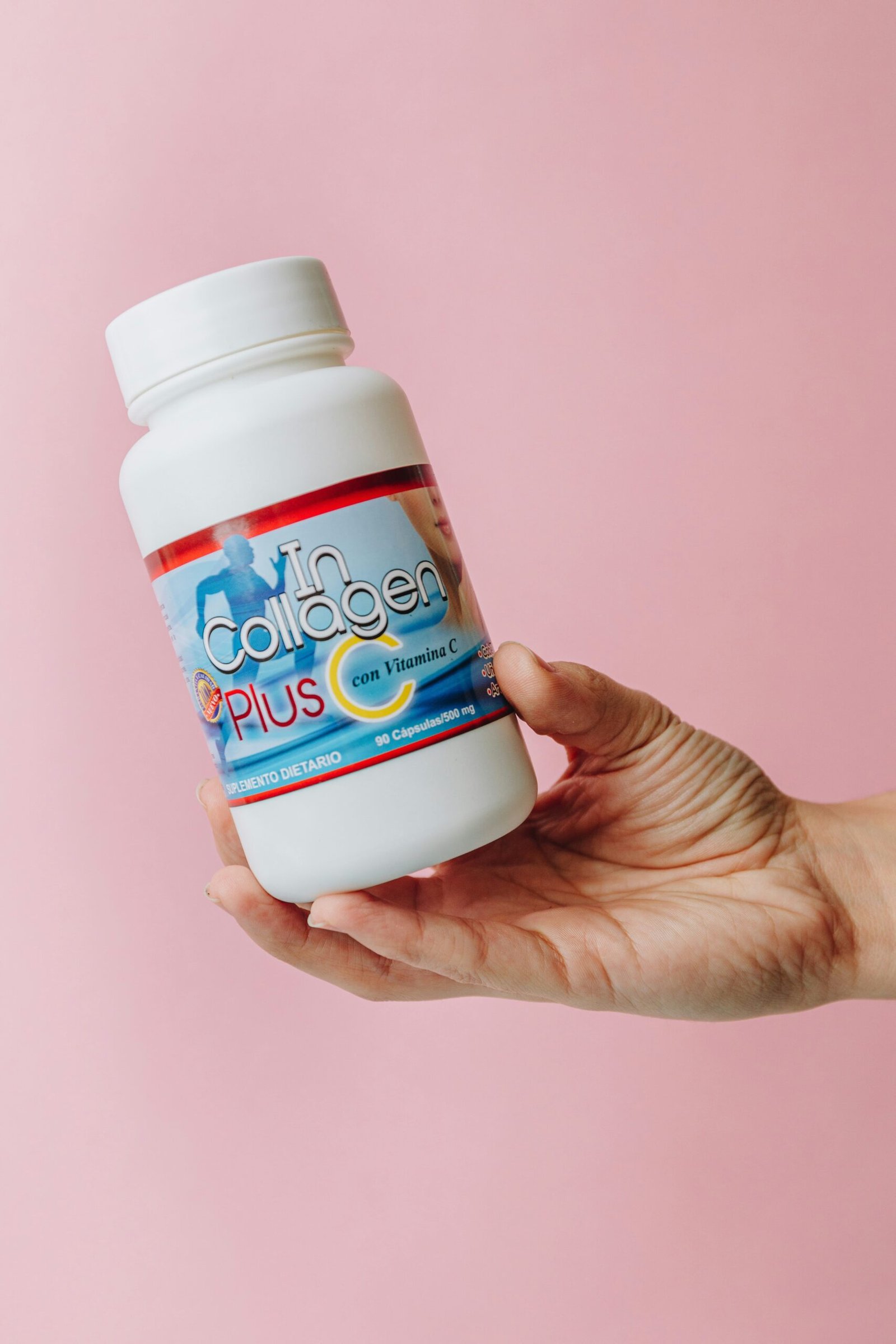
But you should be cautious: topical collagen itself is mostly too large to penetrate deeply; benefits from “collagen” ingredients are often due to surface hydration, film-forming properties, or peptide signaling rather than direct replacement of dermal collagen. The real-world effect of salmon egg extract depends on extraction method, concentration, peptide size, formulation pH, and whether the ingredient is stabilized in the cream.
Salmon egg extract vs. other marine ingredients
You might see multiple marine-derived ingredients marketed for skin. Here’s a quick comparison to help you understand differences.
| Ingredient | Typical origin | Key strengths | How it differs from salmon egg extract |
|---|---|---|---|
| Fish collagen (hydrolyzed) | Skin or scales of fish | Collagen peptides for hydration and film-forming | Fish collagen is usually specific collagen peptides; salmon egg extract is broader (lipids, carotenoids, peptides) |
| Krill oil | Small crustaceans | Phospholipid-bound EPA/DHA, astaxanthin | Krill oil is primarily lipid-focused; salmon egg extract has both lipids and egg-derived peptides |
| Algae extracts | Seaweed/microalgae | Polysaccharides, antioxidants, hydration | Algae are plant-based; profiles differ (polysaccharide humectants vs. animal peptides) |
| Fish roe extract (other species) | Various fish eggs | Similar to salmon roe but carotenoid profile and lipid levels vary | Salmon roe often higher in astaxanthin; other roe vary in nutrient profile |
You should consider the unique combination of antioxidants, lipids, and peptides in salmon egg extract as a broader, multi-functional ingredient compared with single-component marine actives.
How salmon egg extract interacts with niacinamide and hydrolyzed collagen in the cream
The product you referenced includes niacinamide and freeze-dried hydrolyzed collagen in its name, and your ingredient snippet lists salmon egg extract, water, and glycerin. Understanding synergy helps you layer and use the product effectively.
Niacinamide (vitamin B3)
Niacinamide is a versatile, evidence-backed ingredient that:
- Strengthens the skin barrier by increasing ceramide production.
- Reduces redness and helps regulate sebum production.
- Brightens uneven skin tone by modulating pigment transfer.
How it pairs with salmon egg extract:
- Complementary barrier support: Niacinamide promotes ceramide production while the lipids in salmon egg extract support barrier lipids. Together they can create a stronger, more hydrated barrier.
- Anti-inflammatory synergy: Both niacinamide and the omega-3s/carotenoids in salmon egg extract reduce inflammation, which helps sensitive or reactive skin.
Freeze-dried hydrolyzed collagen
This is a form of collagen that has been hydrolyzed into smaller peptides for easier handling and often freeze-dried for stability. In topical formulations:
- Hydrolyzed collagen typically acts as a humectant and film former; it helps skin retain moisture and temporarily smooth fine lines.
- Smaller collagen peptides may send signals to skin cells, but large-scale penetration into the dermis is unlikely.
How it pairs with salmon egg extract:
- Moisture and texture: Collagen peptides and egg-derived proteins both contribute to the jelly cream’s plush texture and immediate plumping feel.
- Combined peptide signaling: If both hydrolyzed collagen and salmon egg peptides contain bioactive sequences, they may have complementary signaling effects on fibroblasts and matrix production.
Water and glycerin: the base you’ll feel
- Water is the solvent that dissolves water-soluble ingredients (like niacinamide) and rehydrates freeze-dried ingredients. It’s the foundation of most creams and serums.
- Glycerin is a highly effective humectant. It draws water into the outer skin layers and helps the product feel smooth and hydrated.
Together, water and glycerin are essential for delivering the active components and for providing immediate hydration. The jelly cream texture likely relies on gelling agents (not listed in your snippet) that contribute to the jelly feel and help suspend freeze-dried collagen until rehydration.
The formulation: why a “jelly cream” works for these ingredients
A jelly cream balances lightness with hydrating power. You’ll notice the following practical formulation choices:
- Texture: Jelly creams often use hydrophilic gelling agents or silicone-like feel modifiers to create a light, bouncy texture that spreads easily and absorbs without heavy residue.
- Stability: Freeze-dried hydrolyzed collagen in the formula may be rehydrated during manufacturing so you get consistent peptide distribution. Salmon egg extract may be added as an aqueous extract or an oil fraction, depending on what’s intended.
- Delivery: Phospholipids in salmon egg extract can act as natural emulsifiers or help encapsulate other actives for better skin incorporation.
- Preservation: Any product containing water requires a preservative system to prevent microbial growth, so you should expect the full ingredients list to include preservatives, stabilizers, and possibly fragrances — check the label if you have sensitivities.
Safety considerations: allergies and sensitivities
You should be careful if you have known allergies or sensitivities:
- Egg allergy vs. fish allergy: Salmon egg extract is derived from fish eggs, not chicken eggs, so the allergen profile differs. Some people allergic to fish might react to fish roe, and people allergic to bird eggs might not necessarily react to fish eggs. However, cross-reactivity and individual variability mean you should treat this cautiously.
- Patch test: If you have a history of allergies or sensitive skin, do a patch test on a small area of skin (behind the ear or on the inner forearm) and wait 24–48 hours to check for reactions.
- Ingredient transparency: Ask the brand whether they conduct allergen testing and whether the product is labeled for fish or egg derivatives. If the product lacks clear allergen labeling, contact customer service for clarification.
Potential irritants and interactions
- Concentration matters: High concentrations of some bioactives or preservatives can irritate sensitive skin even if the ingredient itself is generally safe.
- pH and actives: Some actives (like certain acids) have optimal pH ranges. Niacinamide is generally well tolerated across standard pH ranges, but if you combine this cream with potent acids or retinol-containing products, you should introduce them gradually to avoid irritation.
- Sun sensitivity: Salmon egg extract and niacinamide do not inherently increase sun sensitivity, but because topical actives can change your skin routine, always use sunscreen during the day.

Sustainability and ethical sourcing
If sustainability matters to you, consider these points and ask the brand:
- Source of the salmon: Was the roe harvested from wild-caught or farmed salmon? Farming and wild capture have different environmental footprints.
- Byproduct utilization: Some manufacturers use fish roe that would otherwise be discarded as a byproduct of food processing. That can be a sustainable approach compared with targeted harvesting.
- Certifications: Look for third-party certifications or claims about responsible sourcing. Organizations focused on seafood sustainability may provide relevant verification, but roe-specific certifications are less common than those for fillets.
- Transparency: Ask about traceability and whether the brand can provide details about the chain of custody, fishing practices, and processing methods.
Practical usage: how to use the collagen jelly cream with salmon egg extract
You want to get the most from the product without irritating your skin. Here’s a simple regimen and tips.
Basic application steps
- Cleanse your face gently and pat dry.
- Apply lightweight treatments first (water-based serums like niacinamide if separate), then apply the jelly cream.
- Use a small amount (pea-size to dime-size depending on the area) and warm the cream briefly between your fingers so it spreads evenly.
- Gently press into the skin — avoid aggressive rubbing.
- In the morning, follow with broad-spectrum sunscreen.
Layering guidance
- If the product already contains niacinamide, you don’t need an additional niacinamide serum. If you use both, allow each to absorb and watch for irritation.
- If you use retinoids or strong AHA/BHA exfoliants, apply them at night and give your skin time to acclimate. Niacinamide and salmon egg extract’s soothing properties may help mitigate some irritation, but introduce combinations slowly.
How often to use
- For most people, once or twice daily is appropriate. If you’re introducing it for the first time, start with once daily (night), then increase to twice daily as tolerated.
Storage and shelf life
Because the formula contains water, expect a preservative system and a recommended shelf life after opening (commonly 6–12 months depending on packaging). Follow these practices:
- Keep the jar or container tightly closed when not in use.
- Avoid introducing water or fingers into the jar — use a spatula if one is provided.
- Store at room temperature out of direct sunlight. Refrigeration can give a pleasantly cool application but isn’t necessary unless recommended by the brand.
Who should use this product and who should be cautious
You might benefit from this product if:
- You have dry or dehydrated skin and want a lightweight yet hydrating texture.
- You’re looking for antioxidant and anti-inflammatory support.
- You want to complement barrier-repair actives like niacinamide.
Be cautious if:
- You have known fish or seafood allergies, or a history of reactions to roe or marine-derived ingredients.
- You are highly fragrance-sensitive or react to preservatives — check the full ingredients list for irritants.
- You prefer entirely plant-based or vegan cosmetics; salmon egg extract is an animal-derived ingredient.
Common myths and realities
You’ll often see strong marketing claims. Here’s how to separate fact from fiction.
- Myth: “Topical collagen replaces lost collagen.” Reality: Collagen molecules are usually too large to penetrate deeply into the dermis; topical collagen primarily hydrates and provides a smoothing film. Some peptides may signal cells, but they’re not a direct structural replacement.
- Myth: “Natural equals safe.” Reality: Natural ingredients can still cause allergic reactions or irritation. Always patch test new products.
- Myth: “Marine ingredients always outperform plant ones.” Reality: Effectiveness depends on the specific molecule, its concentration, and the formulation system, not simply the source.
How to read labels and questions to ask the brand
You should look for clarity on:
- Exact ingredient list and concentrations (if available).
- Extraction method for salmon egg extract (hydrolyzed vs. oil fraction vs. aqueous).
- Peptide size and degree of hydrolysis for collagen and egg-derived peptides.
- Preservative system and allergen declarations.
- Stability testing, clinical studies, or in-use test results supporting efficacy claims.
Questions to ask the company:
- Where is the salmon roe sourced and how is it harvested?
- Is the salmon egg extract hydrolyzed? What is the average peptide size?
- What preservatives are used, and is the product safe for sensitive skin?
- Are there any published studies or clinical tests on the finished formulation?
Practical comparison: what to expect using this cream vs. other products
Use the following quick guide to set realistic expectations:
| Outcome | Expectation with collagen jelly cream (salmon egg extract) |
|---|---|
| Immediate hydration | Likely — glycerin & humectant peptides provide quick hydration and smoothing |
| Barrier improvement | Moderate — lipids and niacinamide can strengthen the barrier over weeks |
| Antioxidant protection | Present — astaxanthin and carotenoids can help reduce oxidative stress |
| Long-term structural collagen increase | Possible but moderate — topical peptide signaling is plausible but not guaranteed |
| Allergic risk | Present for fish-sensitive individuals — patch test recommended |
FAQs
Q: Will salmon egg extract make my skin oily? A: Not necessarily. The product’s overall feel depends on formulation. Jelly creams are designed to feel light, and glycerin helps hydrate without heavy oils. If you have oily skin, start with a small amount and see how your skin responds.
Q: Does the extract have a strong smell or color? A: Salmon-derived extracts can have a light marine scent and a slight pink/orange hue from carotenoids like astaxanthin. Well-formulated products mask strong odors and stabilize color.
Q: Can you use this with retinol? A: Yes, you can use it with retinoids, but introduce retinol gradually. The cream’s hydrating and calming components may help reduce retinoid irritation.
Q: Is it safe during pregnancy? A: Most topical marine-derived ingredients are safe in pregnancy, but you should consult your healthcare provider and avoid any ingredients your doctor advises against. Check the full ingredient list for items like retinoids that are contraindicated in pregnancy.
Q: How soon will you see results? A: You’ll typically notice improved hydration and smoother texture within days to weeks. Structural changes like improved firmness may take several weeks to months, if they occur.
Final takeaways
- Salmon egg extract is a complex, multi-component ingredient that offers hydration, barrier support, anti-inflammatory benefits, and antioxidant protection when formulated correctly.
- In a collagen jelly cream, it works alongside water, glycerin, niacinamide, and hydrolyzed collagen to provide immediate smoothing and hydration and potential longer-term support for the skin matrix.
- Safety considerations matter: patch-test if you have fish or seafood allergies, check for preservatives and full ingredient transparency, and ask the brand about sourcing and processing.
- Expect visible hydration and texture improvement early, and be realistic about deeper structural changes: peptides can help, but they aren’t a magic replacement for dermal collagen.
If you’d like, you can share the full product ingredient list (beyond the three items you provided), and I’ll analyze the complete formula so you can better understand any preservative, fragrance, or stabilizer that might affect how the product performs or how your skin might react.