
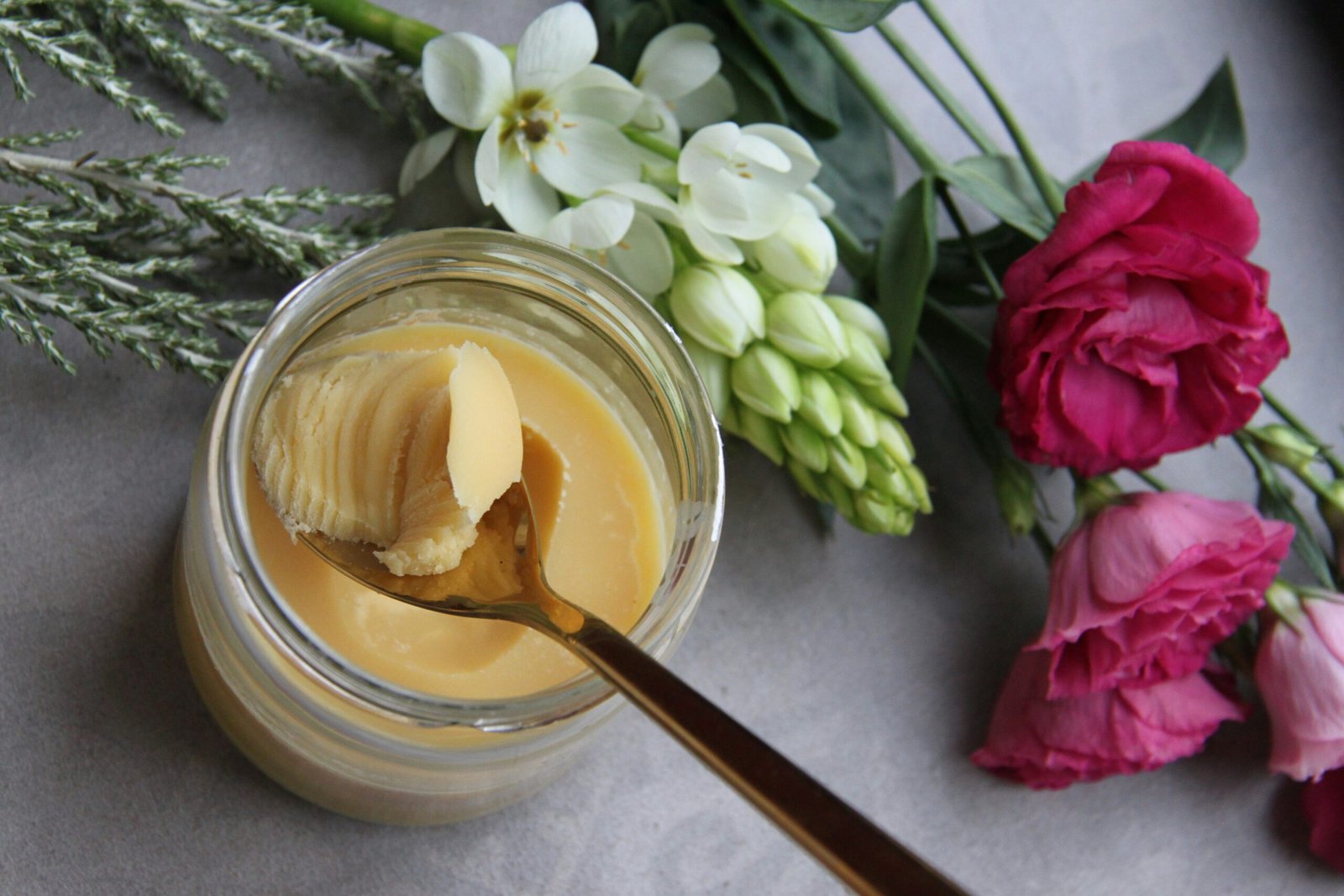
As a team focused on evidence-based skincare, the piece “DRY SKIN Rescue With Jojoba and Shea Moisture” highlights the three top ingredients for dry, cracked skin—jojoba oil, shea butter, and ceramides—and cites product examples such as Trader Joe’s 100% Pure Jojoba Oil, SheaMoisture formulations, Holika Holika Good Cera, and Skinfix Eczema+ Balm.
Subsequent sections summarize Cassandra Bankson’s video insights, compare formulations for sensitive and acne-prone skin, and provide practical purchasing guidance and budget-conscious tips to support long-term barrier repair.
Why dry skin occurs and how to recognize it
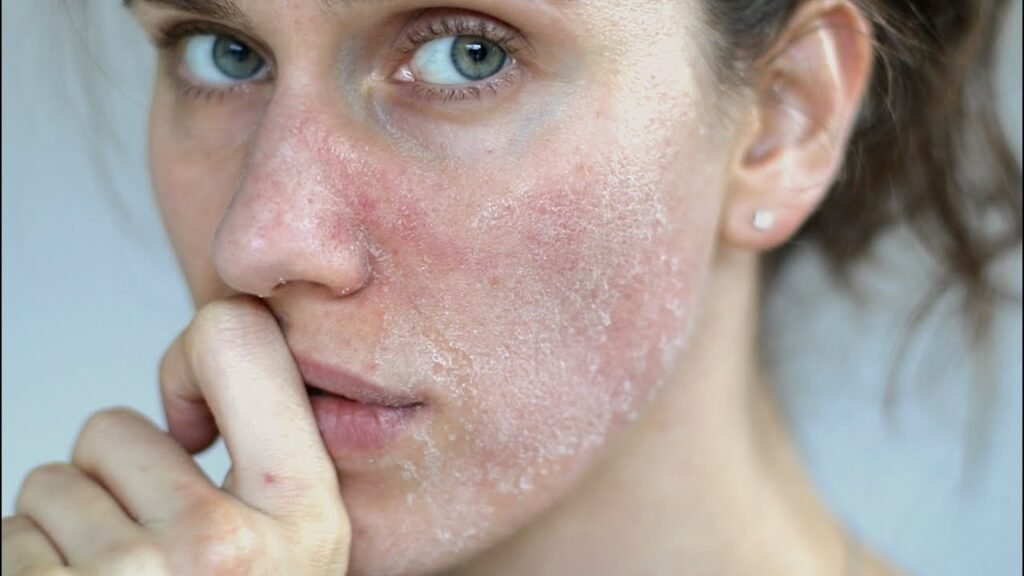
We approach dry skin as a common, multi‑factorial condition that reflects reduced barrier function and altered water content in the stratum corneum. Dryness can be transient or chronic, mild or severe; recognizing the cause and the clinical signs helps us choose targeted treatments that restore the barrier and relieve symptoms. Below we outline the typical drivers of dry skin, how it presents, how it differs from related conditions, and when it becomes a medical concern.
Common causes including environment, genetics, over-washing, aging, and medication effects
We know that environmental factors such as low humidity, cold weather, and frequent exposure to wind or sun strip the skin of surface lipids and accelerate water loss. Genetics also plays a role: some people have inherently lower levels of skin lipids, ceramides, or defective filaggrin that predispose them to dryness. Over‑washing, particularly with harsh soaps or hot water, removes natural oils and damages the lipid barrier. Aging reduces sebum production and skin renewal, making older skin more prone to chronic dryness. Finally, certain medications—diuretics, retinoids, systemic acne treatments, and some immunotherapies—can reduce skin lubrication or alter cell turnover and thus increase dryness.
Signs and symptoms: tightness, flaking, visible cracks, itching, and irritation
We assess dry skin by its symptoms: a sensation of tightness after washing, visibly flaky or rough patches, fine lines accentuated by dehydration, and in more severe cases, fissures or painful cracks. Pruritus (itching) and intermittent redness or irritation are common and can lead to scratching that worsens barrier disruption. On hands and feet, deep cracks may bleed or become secondarily infected; on the face, a rough, sandpaper‑like texture or persistent flaky patches are typical.
Differences between dry skin, dehydrated skin, and eczema
We distinguish three commonly confused states. Dry skin refers to a low lipid content in the epidermal barrier and is often chronic. Dehydrated skin denotes reduced water content—often transient—and responds quickly to humectants; it can occur even in oily skin. Eczema (atopic dermatitis) is an inflammatory, often genetic, condition with intense dryness but also with immune dysregulation, more persistent inflammation, and typical distribution patterns (flexures in children, face and hands in adults). Eczema frequently requires anti‑inflammatory interventions beyond mere moisturization.
When dryness becomes pathological and warrants medical attention
We recommend medical evaluation when dryness is severe, persistent despite appropriate skincare, or associated with bleeding, deep fissures, signs of infection (increasing pain, pus, spreading redness, warmth), or marked functional impairment. Rapidly worsening inflammation, systemic symptoms, or suspected medication‑induced skin breakdown also require clinician review. In these situations, topical prescription treatments or systemic assessment may be necessary.
Why jojoba oil is effective for dry, cracked skin
We find jojoba oil to be a highly useful tool in restoring the skin barrier and calming dry, cracked skin because of its unique composition and skin‑friendly properties. It functions both as an immediate emollient and as a supportive therapeutic adjunct for barrier repair.
Chemical similarity to skin sebum and how that promotes barrier repair
We highlight that jojoba oil is not a typical triglyceride oil but is composed largely of wax esters that resemble the sebum naturally produced by human skin. This chemical similarity allows jojoba to integrate well with the skin’s lipid layer, improving surface lipids and supporting a more coherent barrier. By supplementing the skin’s extracellular lipids, jojoba can reduce transepidermal water loss and help rebuild barrier integrity without overly altering skin physiology.
Emollient and occlusive properties that lock in moisture without clogging pores
We recognize jojoba’s dual role as an emollient and a light occlusive. It smooths rough skin by filling intercellular spaces and creating a protective film that helps retain moisture. Unlike heavier occlusives, jojoba tends to be lightweight and non‑comedogenic for many people, which makes it suitable for both facial and body use where pore‑clogging is a concern. Its fast absorption and satin finish often make it preferable to thicker mineral oils or petroleum in certain routines.
Antioxidant and anti-inflammatory components that calm irritation
We note that jojoba oil contains natural antioxidants—such as tocopherols—and minor anti‑inflammatory constituents that can help calm redness and oxidative stress on damaged skin. While it is not a replacement for medical anti‑inflammatories when those are indicated, its mild antioxidant and soothing profile contributes to reduced irritation during barrier repair.
How jojoba supports skin healing and reduces transepidermal water loss
We observe clinically that applying jojoba to compromised skin helps immediately reduce water loss by supplementing the lipid matrix and providing an emollient layer. This reduction in transepidermal water loss promotes faster recovery of stratum corneum hydration and can reduce fissuring and pain. For targeted cracked areas—cuticles, finger pads, heel fissures—we find pure jojoba particularly effective as a focused emollient.
Why shea butter and SheaMoisture products help rescue dry skin
We value shea butter and well‑formulated shea‑containing products for their deep moisturization and capacity to soothe and soften extra‑dry skin. When used correctly and combined with other barrier‑repair ingredients, shea‑based products can significantly improve skin comfort and resilience.
Shea butter’s high fatty acid content and vitamins for deep moisturization and softening
We rely on shea butter for its rich profile of fatty acids (linoleic, oleic, stearic) and vitamins such as A and E, which collectively nourish the lipid matrix and provide emollience. This dense concentration of lipids penetrates into the superficial layers, softens rough skin, and aids in restoring suppleness. Its occlusive nature helps seal moisture in, making it especially useful for body areas prone to severe dryness.
How SheaMoisture formulations combine shea with botanicals for sensitive and irritated skin
We appreciate that SheaMoisture often blends shea butter with botanical extracts, oils, and complementary actives to address different skin concerns. For sensitive or irritated skin, these formulations may include calming botanicals (like rose oil or oat extracts) and hydrating ingredients that reduce irritation while providing emollience. Formulated products typically contain emulsifiers and preservatives to ensure stable, pleasant textures that spread easily and absorb predictably.
Examples of SheaMoisture lines for dry or sensitive skin, including Peace Rose Oil Complex and Acne Prone Shea Butter Moisturizer
We recommend considering specific SheaMoisture lines targeted to the need: the Peace Rose Oil Complex for sensitive skin offers a gentler, soothing approach, while the Acne Prone Shea Butter Moisturizer is formulated to provide hydration without excessive occlusion or pore‑clogging ingredients. The African Black Soap Balancing Moisturizer option pairs cleansing and balancing botanicals with shea for those who need both mild cleansing and rehydration.
How a branded moisturizer differs from pure shea butter in texture, absorption, and added actives
We explain that branded shea moisturizers differ from raw shea in several ways: they are emulsified to provide lighter textures, contain humectants (glycerin, hyaluronic acid) to attract water, often include ceramides or niacinamide for barrier support, and may be formulated fragrance‑free for sensitive skin. Pure shea is heavier, greasier, and less cosmetically elegant, but it is a powerful occlusive; branded products aim to balance efficacy with consumer preference for absorption, finish, and additional skin benefits.
Three best complementary ingredients for dry, cracked skin
We advocate combining three categories of actives for effective rescue: barrier lipids (ceramides), humectants, and emollients/occlusives. Together these restore structure, attract water, and seal it in.
Ceramides to rebuild the lipid barrier (example: Good Cera Super Ceramide Cream)
We emphasize ceramides as essential lipids in the stratum corneum that physically rebuild the barrier and normalize water handling. Products like ceramide creams (for example, Good Cera Super Ceramide Cream) supply these critical lipids and can markedly improve barrier function when used consistently. We recommend ceramide‑containing creams for anyone with chronic dryness or eczema‑prone skin.
Humectants like hyaluronic acid and glycerin to attract and hold water
We stress the role of humectants—glycerin, hyaluronic acid, and similar polyols—in drawing water into the stratum corneum from the deeper epidermis and environment. When used before an emollient or occlusive, humectants increase hydration and improve skin pliability. They are especially helpful for dehydrated skin or when combined with oils like jojoba and shea for long‑lasting benefit.
Emollients and oils such as jojoba oil and shea butter to smooth and seal moisture
We reiterate that emollients and occlusives (jojoba oil, shea butter) smooth microscopic irregularities and form a protective film that slows water loss. Using a lightweight oil such as jojoba followed by a shea‑rich moisturizer or balm creates a layered approach: humectant → oil → occlusive, which we find is highly effective for dry, cracked skin.
Cleansers and pre-moisturize steps for dry skin
We prioritize gentle cleansing and supportive pre‑moisturizing steps to avoid stripping the skin and to prepare it for effective moisturization. The way we cleanse sets the stage for barrier recovery.
Gentle, non-stripping cleansers and the role of African Black Soap when used appropriately
We recommend gentle, sulfate‑free cleansers that remove dirt and makeup without denuding the lipid layer. African Black Soap can be beneficial for some users due to its clarifying and traditional uses, but it can be drying for others; we advise testing it and using it with an appropriate moisturizing follow‑up. When African Black Soap is formulated into a balancing product that includes emollients and humectants, it can be part of a dry‑skin regimen, but pure or overly alkaline black soap may require caution.
How to avoid over-exfoliation and surfactants that worsen dryness
We caution against over‑exfoliating with physical scrubs or high concentrations of acids, which can damage the barrier and perpetuate dryness. Similarly, we avoid aggressive surfactants such as high concentrations of sodium lauryl sulfate. We favor mild nonionic or amphoteric surfactants and limit mechanical exfoliation to infrequent, gentle sessions if needed.
Use of lukewarm water, short cleansing times, and pat-dry technique
We recommend lukewarm—not hot—water, brief cleansing sessions, and patting the skin dry with a soft towel rather than rubbing. These simple steps reduce heat‑induced lipid extraction and mechanical irritation, preserving more natural oils to support barrier repair.
When to use a balm cleanser or oil cleansing method with jojoba for makeup removal
We find that balm or oil cleansing is an excellent choice for makeup removal in dry skin because it dissolves sebum and makeup without stripping. Jojoba oil or a jojoba‑containing balm can effectively remove long‑wear makeup and sunscreen while leaving a protective film; this method is especially useful in the evening before applying richer shea‑based treatments.
Layering and routine: how to use jojoba and SheaMoisture together
We recommend a structured layering approach that combines humectants, lightweight oils, and shea‑rich moisturizers for maximum efficacy while maintaining cosmetic elegance.
Order of application: cleanser, hydrating toner/serum (humectant), jojoba oil or lightweight face oil, then shea-rich moisturizer or occlusive
We advise the following order: cleanse gently, apply a hydrating toner or serum containing humectants (glycerin, hyaluronic acid), follow with a few drops of jojoba oil or a lightweight face oil to act as an emollient, and finish with a shea‑rich moisturizer or occlusive to seal everything in. This sequence ensures water is attracted into the epidermis before being locked in by oils and occlusives.
Day vs night differences: lighter jojoba layering and SPF in the daytime; richer shea-based products for evening repair
We recommend lighter daytime layers—humectant + minimal jojoba + a lighter shea‑based or non‑greasy moisturizer—followed by a broad‑spectrum SPF as the final daytime step. At night, we favor richer shea‑based products or overnight balms to support extended barrier repair without concern for transfer or shine.
How much product to use and frequency for face and body
We suggest starting with conservative amounts: a pea‑sized amount of moisturizer for the face, two to three drops of jojoba oil, and a nickel‑sized amount for the neck and décolleté. For the body, liberal application of a shea‑based cream or lotion on dry areas once to twice daily is reasonable, increasing frequency for hands and feet as needed. Hands and feet often require thicker balms or overnight occlusion.
Adjusting routine seasonally and for humidity levels
We adapt routines seasonally: in humid months we reduce occlusives and rely more on humectants and lightweight oils; in cold, dry months we increase the frequency and richness of occlusives such as shea or thick balms. Indoor heating and air conditioning also reduce ambient humidity and may necessitate more aggressive moisturizing.
Targeted care for cracked areas and acute flare-ups
We treat localized cracked areas and acute flares with focused, intensive therapy that protects, hydrates, and, when needed, reduces inflammation.
Using pure jojoba oil as a targeted emollient on cracked skin and cuticles
We use pure jojoba oil for targeted application to cracked cuticles, finger pads, or small fissures because its texture allows precise delivery and it integrates well with skin lipids. Applying a few drops multiple times daily and after washing hands can accelerate symptom relief.
Using thick shea-based balms or Skinfix Eczema+ Dermatitis Face Balm for severely dry patches
We reserve thick shea‑rich balms or clinically formulated products such as Skinfix Eczema+ Dermatitis Face Balm for severely dry patches. These products supply heavier occlusion and barrier‑repair actives that are beneficial overnight or for localized rescue. We advise applying a thick layer at night and protecting the area with a glove or dressing if needed.
Hydrocolloid or dressing recommendations for deep cracks on hands/feet and when to seek medical care
We recommend protective dressings or hydrocolloid patches for deep, painful cracks on hands and feet to maintain a moist wound environment and protect from mechanical stress. We seek medical care if cracks are deep, infected, failing to heal, or if there is spreading cellulitis. Clinicians can prescribe specialized dressings, topical antimicrobials, or referral for procedural care when appropriate.
Short-term use of mild topical corticosteroids only under medical advice for severe inflammation
We emphasize that moderate to severe inflammatory flares may require short‑term topical corticosteroids to control inflammation. These should be used under medical guidance, especially on facial or intertriginous skin, to balance efficacy with the risk of thinning or other steroid‑related side effects.
DIY recipes and safe at-home blends with jojoba and shea
We support safe, simple DIY blends that complement commercial skincare when prepared and used correctly, with careful attention to hygiene and patch testing.
Simple daily face oil: small drop of jojoba blended into a pea-sized amount of shea moisturizer
We recommend mixing one to two drops of jojoba oil into a pea‑sized amount of shea moisturizer in the palm and applying to the face as a daily oil‑enriched moisturizer. This creates an immediately absorbable yet protective layer that suits most dry skin types.
Overnight repair mask: warmed raw shea butter mixed with a few drops of jojoba oil and applied sparingly
We suggest an overnight repair mask made by warming a small amount of raw shea butter between the palms, adding two to three drops of jojoba oil, and applying a thin layer to affected areas before bed. Because the mixture is occlusive, a little goes a long way; avoid using excessive amounts on acne‑prone zones.
Hands and feet balm: shea butter, jojoba oil, and a bit of beeswax for thicker occlusion
We recommend a hands and feet balm blended from shea butter (base), jojoba oil (emollient), and a small percentage of beeswax to increase structural integrity and occlusivity. A typical ratio might be 70% shea, 25% jojoba, 5% beeswax by mass—warmed, mixed, poured into a small jar, and allowed to solidify. Use heavily at night with socks or gloves for best effect.
Patch testing DIY blends and hygiene tips for creating small, stable batches
We insist on patch testing any DIY blend on a small area for 48 hours to check for irritation or allergy. Prepare small batches to reduce rancidity risk, store them in cool, dark conditions, and use clean implements to prevent microbial contamination. Avoid adding water to oil‑based DIYs unless a preservative system is used.
Product recommendations and budget options
We balance practicality, efficacy, and cost when choosing products for dry, cracked skin. Below are options across budget levels and formulations we find useful.
Trader Joe’s 100% Pure Jojoba Oil as an affordable, effective option (noting approximate in-store price and online alternatives)
We recommend Trader Joe’s 100% Pure Jojoba Oil as an affordable and effective option for many people; in‑store pricing is typically around $6 for a 4 oz bottle, making it an accessible choice for daily targeted use. Its simplicity—just jojoba oil—makes it versatile for face, body, and DIY blends.
SheaMoisture product picks: African Black Soap Balancing Moisturizer, Peace Rose Oil Complex for sensitive skin, and Acne Prone Shea Butter Moisturizer
We suggest several SheaMoisture products depending on the skin profile: African Black Soap Balancing Moisturizer for those seeking gentle clarifying and hydration, the Peace Rose Oil Complex for sensitive and irritated skin that needs calming botanicals plus shea, and the Acne Prone Shea Butter Moisturizer for people who need hydration without exacerbating congestion.
Higher-cosmetic options: Holika Holika Good Cera Super Ceramide Cream and Skinfix Eczema+ Dermatitis Face Balm for barrier repair
We point to higher‑cosmetic or clinically oriented options for targeted barrier repair: Holika Holika Good Cera Super Ceramide Cream provides ceramides for lipid rebuilding, while Skinfix Eczema+ Dermatitis Face Balm is formulated specifically for severe dry patches and inflammatory dermatitis, offering both emollience and therapeutic support.
How to read labels and choose fragrance-free or low-irritant formulations
We advise reading labels closely: prioritize fragrance‑free or low‑fragrance formulations, look for ceramides, glycerin, hyaluronic acid, and non‑sensitizing emollients. Avoid unnecessary essential oil concentrations or denatured alcohols that can aggravate dryness. When in doubt, choose simpler ingredient lists and products marketed for sensitive skin.
Conclusion
We conclude that jojoba oil and shea‑containing moisturizers are complementary tools that effectively rebuild and protect the skin barrier when used within a consistent, layered routine. By combining humectants (glycerin, hyaluronic acid), ceramides, lightweight jojoba, and richer shea‑based occlusives we can address both dehydration and lipid deficiency, tailoring treatments by severity and season. We recommend selecting products thoughtfully with sensitivity and acne concerns in mind, performing patch tests for new combinations, and seeking medical advice for severe cracks, signs of infection, or persistent inflammation. With a consistent, evidence‑informed routine and targeted interventions for acute flare‑ups, we can rescue dry, cracked skin and restore comfort and function.