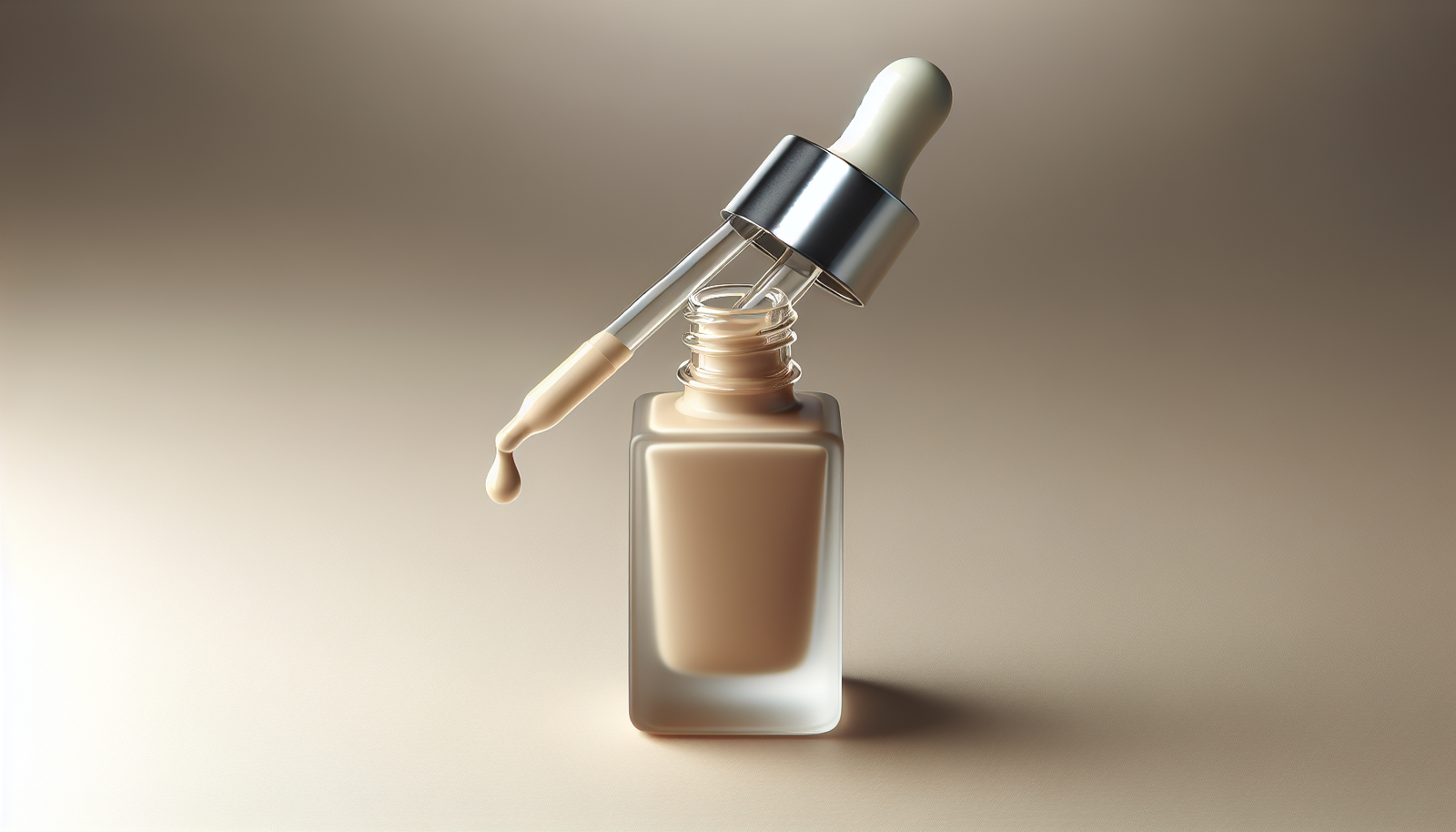
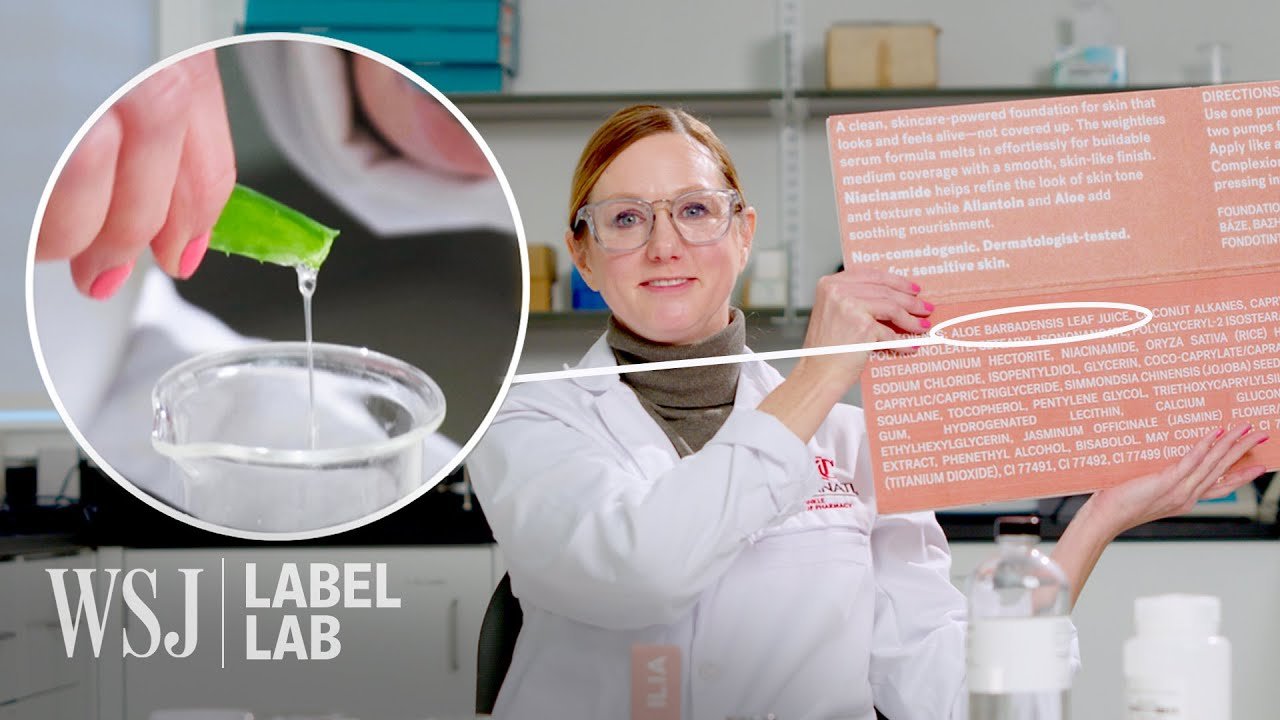
Chemist Breaks Down Ingredients of Clean Foundation showcases a cosmetic chemist’s line-by-line analysis of Ilia’s True Skin Serum, clarifying how ingredients from coconut alkanes to iron oxides determine color, texture and the product’s ‘clean beauty’ positioning. Allow us to underscore that “clean beauty” lacks a regulated definition, which makes this technical breakdown especially valuable for consumers seeking clarity.
The piece opens with Kelly Dobos and proceeds through focused segments on pigmentation (what iron oxides do), main solvents and fillers, the three moisturizing strategies used by formulators, beneficial skincare actives in foundations, and finally preservatives, stabilizers and emulsifiers. Timestamps guide targeted viewing for each topic: 0:29 pigmentation, 2:29 solvents and fillers, 4:06 moisturizing strategies, 4:44 skincare ingredients and 5:14 preservatives and emulsifiers.
Overview of Clean Beauty and Its Regulatory Context
We begin by situating clean beauty within the current market and regulatory landscape. Clean beauty is a consumer-driven movement that emphasizes perceived safety, ingredient simplicity, and environmental or ethical considerations, but it lacks a single, universally accepted or legally binding definition. As formulators and scientists, we must interpret “clean” through multiple lenses—consumer expectations, marketing claims, and the pragmatic constraints of chemistry and safety.
Meaning of clean beauty and lack of standardized definition
When we talk about the meaning of clean beauty, we recognize that it is a marketing and cultural term rather than a regulatory standard. Different brands and retailers define “clean” according to their own lists of excluded ingredients, such as parabens, phthalates, or sulfates, but those lists vary. Because there is no single legal definition, “clean” claims require careful scrutiny: responsibility falls on manufacturers to substantiate safety and on consumers to understand the ambiguity.
How different jurisdictions regulate cosmetic claims
Different jurisdictions approach cosmetic regulation differently, and that affects what we can claim and how products are evaluated. In the EU and UK, cosmetic ingredients and claims are tightly regulated with mandatory safety assessments and product information files; in the U.S., the FDA oversees cosmetics but does not pre-approve most claims, instead focusing on adulteration and misbranding. Other regions have their own rules for ingredient bans, labeling, and claims, so we must adapt formulations and claims to comply with each market’s legal framework.
Role of third-party certifications and what they actually verify
Third-party certifications—such as organic, cruelty-free, or specific eco-labels—offer a layer of verification that can increase consumer confidence, but they vary widely in scope and rigor. These certifications typically audit sourcing, certain ingredient lists, and manufacturing practices rather than guaranteeing universal safety or efficacy. We rely on them as signals of commitment to particular values, but we also read certification criteria closely to know what has been verified and what remains outside the certification’s remit.
Why ingredient transparency matters for consumers and formulators
Ingredient transparency matters because it enables informed choices and fosters trust. For consumers, clear INCI lists and explanatory labeling help identify allergens, preferred actives, and excluded ingredients. For formulators, transparency supports reproducibility, regulatory compliance, and post-market surveillance. We advocate for readable ingredient lists and educational tools so that both consumers and professionals can evaluate the tradeoffs between safety, efficacy, and sustainability.
Role of the Cosmetic Chemist in Foundation Formulation
Our role as cosmetic chemists bridges science, safety, and user experience. We design formulations to meet aesthetic goals, skin compatibility, and regulatory requirements while ensuring manufacturing robustness and shelf stability. That means selecting ingredients, demonstrating preservative efficacy, running performance tests, and communicating technical information in accessible ways to marketing teams and consumers.
Responsibilities in ingredient selection and safety assessment
We conduct ingredient selection through a safety-first lens that also accounts for sensory and functional performance. This involves reviewing toxicology data, impurity profiles, regulatory status in target markets, supplier quality, and potential interactions with other ingredients. Safety assessments include margin-of-safety calculations, consideration of exposure routes, and allergen assessments, and we document these decisions in product information files and safety dossiers.
Balancing aesthetics, performance, and skin compatibility
Balancing aesthetics, performance, and skin compatibility is a central challenge. Consumers want lightweight feel, natural finish, lasting coverage, and skin benefits; these goals sometimes conflict. We must choose pigments, oils, thickeners, and actives that deliver color payoff and wear without clogging pores, causing irritation, or destabilizing the formula. Compromises are common, and our expertise is used to optimize tradeoffs rather than assume a single perfect ingredient exists.
Analytical testing used to characterize formulas
We use analytical testing throughout development to characterize color, stability, microbiology, and performance. Typical tests include pH and viscosity, centrifuge and thermal cycling for physical stability, HPLC or GC for active content, microbial challenge testing for preservative efficacy, colorimetry for shade matching, and consumer or instrumental wear testing for transfer and longevity. These data guide formulation adjustments and confirm specifications.
Translating INCI names and technical jargon for consumers
Translating INCI names and technical jargon into consumer-friendly language is an important communication task. We prepare plain-language ingredient explanations that explain function (e.g., “iron oxides—color pigments”) and address common concerns (e.g., why a preservative is necessary). Clear explanations help consumers make informed choices and reduce misunderstandings about complex-sounding ingredients that are safe and widely used.
Pigments and Colorants
Pigments and colorants are the foundational elements that define shade, coverage, and opacity in foundation. We select and blend pigments to achieve a target color space while ensuring dispersibility, lightfastness, and skin safety. Pigment choice also affects texture, opacity, and how the product interacts with lighting and skin undertones.
Iron oxides: types, functions, and why they’re common in foundations
Iron oxides are the most common pigments in foundations because they provide stable, skin-like reds, yellows, and blacks that can be blended to match a wide range of skin tones. Chemically inert and non-reactive, iron oxides offer excellent lightfastness and low irritation potential. We use red (Fe2O3), yellow (FeO(OH)), and black oxides in controlled particle sizes to achieve opacity and minimize speckling or settling.
Inorganic whites and tints: titanium dioxide and zinc oxide
Titanium dioxide and zinc oxide serve as inorganic whites and tints that add opacity and help with coverage, reflectance, and sometimes sun protection. Titanium dioxide is highly refractive and gives brightness and opacity, while zinc oxide can impart a softer white and has skin-soothing and UV-filtering properties. Both must be dispersed properly to avoid chalkiness, and particle size influences whiteness versus transparency.
Organic pigments and pigment lakes: pros and cons
Organic pigments and pigment lakes (dye molecules fixed to inorganic substrates) offer vivid chroma and a broader color gamut than many inorganic pigments, but they can be less lightfast and more prone to migration or staining. Lakes are often used for red or bright hues and are chosen when intense color payoff is required. We weigh their superior color saturation against potential stability and regulatory considerations, especially for sensitive skin.
How pigments determine shade, coverage, opacity, and color stability
Pigments determine shade through their hue and relative proportions, coverage via particle load and refractive index, opacity through size and concentration, and color stability through chemical inertness and resistance to oxidation. We balance pigment loading to achieve desired coverage without compromising spreadability or causing creasing, and we include dispersants and stabilizers to prevent flocculation and color drift over shelf life.
Solvents and Texture Modifiers
Solvents and texture modifiers establish the vehicle that carries pigments and actives, and they largely dictate spreadability, drydown, and skin feel. We select solvents to dissolve or suspend components, control evaporation rates, and deliver a specific finish—matte, dewy, or semi-matte—while respecting safety and sustainability goals.
Purpose of solvents in foundations and common solvent families
Solvents in foundations serve to dissolve oils or film-formers, disperse pigments, and provide the continuous phase in which other ingredients are formulated. Common solvent families include water, glycols (e.g., propanediol, glycerin), hydrocarbons (e.g., isododecane, alkanes), and esters. Each family offers different solvency power, volatility, and sensory characteristics that influence formulation choices.
Volatile vs non-volatile solvents and their effects on finish
Volatile solvents evaporate after application and contribute to quick drydown and light feel, while non-volatile solvents remain and influence long-term skin feel and film properties. Volatile silicones and isododecane provide a silky, weightless finish but evaporate to leave a smooth film; non-volatile esters and oils provide lasting emollience and hydration. By blending volatiles and non-volatiles, we tune finish, transfer resistance, and comfort.
Coconut alkanes and plant-derived esters as alternatives to silicones
Coconut alkanes and plant-derived esters have become popular alternatives to silicones for brands positioning themselves as “clean” or naturally derived. These ingredients can mimic the lightweight slip and quick drydown traditionally achieved with silicones, though they may differ in volatility, spreadability, and oxidative stability. We evaluate alternatives for sensory parity, stability, and potential for comedogenicity or staining.
How solvent choice influences spreadability, drydown, and skin feel
Solvent choice directly affects spreadability by altering viscosity and lubricity, controls drydown via evaporation rate, and shapes skin feel through residue properties. Fast-evaporating solvents give immediate lightness but can feel drying; slow-evaporating solvents add slip and moisturization but may reduce transfer resistance. We select solvents to meet the target consumer experience while ensuring compatibility with pigments and other actives.

Emulsifiers and Surfactants
Emulsifiers and surfactants enable the mixing of oil and water phases and stabilize dispersed systems in many foundation formats. Their chemistry governs emulsion type, stability, skin feel, and ingredient compatibility. We choose emulsifiers that align with desired sensory profiles and regulatory or “clean” positioning.
Why oil-in-water vs water-in-oil emulsions are chosen for foundations
Oil-in-water (O/W) emulsions are common for foundations that aim for a lightweight, hydrating feel and easy removal, while water-in-oil (W/O) emulsions offer more occlusion, water resistance, and richer feel. We choose O/W for mainstream liquid foundations that prioritize comfort and breathability, and W/O for formulations needing extended wear or higher water resistance, such as long-wear or outdoor-oriented products.
Common emulsifier chemistries and their impact on stability
Common emulsifiers include nonionic surfactants like glyceryl stearates, PEG derivatives, polyglyceryl esters, and sorbitan esters; anionic or cationic systems are used less frequently due to irritation or compatibility concerns. Emulsifier choice affects droplet size, resistance to coalescence, and tolerance to electrolytes or pH shifts. We tailor emulsifier blends to balance stability, sensory attributes, and regulatory acceptance.
Surfactants used at low levels and considerations for residue or irritation
Surfactants used at low levels—such as polysorbates or amphoteric surfactants—improve wetting and pigment dispersion, but we monitor their potential to leave residues that can feel sticky or to irritate sensitive skin. We prefer mild surfactants and minimize concentrations while ensuring adequate functionality, and we validate skin compatibility through irritation and compatibility testing.
Selecting emulsifiers compatible with clean positioning and performance
Selecting emulsifiers that align with clean positioning involves evaluating origin (natural vs synthetic), biodegradability, and regulatory perception. Polyglyceryl esters and plant-derived sorbitan esters are often favored for “clean” claims, but we must ensure they deliver the same creaming point, freeze-thaw stability, and long-term emulsion integrity as their conventional counterparts.
Fillers, Thickeners, and Rheology Modifiers
Fillers and rheology modifiers control texture, coverage, and application behavior. We combine powders, gums, and polymers to engineer a formula that spreads uniformly, resists settling, and deposits pigments evenly across the skin.
Common powder fillers such as silica and talc alternatives
Powder fillers like silica provide oil absorption, mattifying effect, and a soft-focus finish. Traditional talc has been widely used but faces consumer scrutiny, so alternatives such as kaolin clay, mica, starches, and microcrystalline cellulose are commonly employed. We select fillers based on particle size distribution, oil absorption, and how they influence sensory properties and opacity.
Liquid thickeners and polymeric rheology modifiers
Liquid thickeners and polymeric rheology modifiers—such as carbomers, cellulose derivatives, and associative thickeners—control viscosity, prevent pigment settling, and influence shear-thinning behavior during application. These ingredients also affect how the product feels during blending and whether it sets quickly or remains workable, so we fine-tune concentrations to meet performance targets.
How rheology controls coverage, settling, and application
Rheology dictates how easily pigments disperse during application, whether a product levels smoothly, and whether pigments settle during storage. A formula with proper yield stress will hold pigments in suspension yet shear-thin under brush or finger application for easy spreading. We design rheology profiles to prevent mottling, clumping, or separation while maintaining desirable finish and coverage.
Tradeoffs between natural and synthetic thickening agents
Natural thickeners like xanthan gum and cellulose derivatives are attractive for clean positioning but may be sensitive to electrolytes, pH, or microbial spoilage, and they may not provide the same sensory refinement as synthetic polymers. Synthetic rheology modifiers can offer superior control and cosmetic elegance, but they can conflict with certain marketing claims. We evaluate tradeoffs in stability, texture, and consumer perception when selecting thickeners.
Moisturizing Strategies Used in Foundations
Foundations increasingly serve a dual role as makeup and skincare, so moisturizing strategies are key. We combine humectants, emollients, and occlusives in measured ways to deliver immediate comfort, long-term hydration, and a finish that complements the product’s coverage and wear characteristics.
Humectants used to attract and retain moisture (examples and mechanisms)
Humectants such as glycerin, propanediol, and hyaluronic acid attract water to the stratum corneum by hydrogen bonding and osmotic effects. They can be incorporated at varying molecular weights to balance surface hydration and deeper skin moisturization. We consider humectant concentration and molecular size to optimize hydration without causing tackiness or instability in the formula.
Emollients and esters that provide slip and softness
Emollients and esters—such as caprylic/capric triglyceride, squalane, and isopropyl myristate—impart slip, smoothness, and a pleasant skin feel. Esters derived from plant sources can mimic silicone-like sensory properties and improve spreadability. We select emollients for compatibility with pigments and film-formers and to achieve the desired balance between silkiness and long-wear performance.
Occlusives and protective barrier ingredients used sparingly
Occlusives like dimethicone or small amounts of heavier esters can help reduce transepidermal water loss, but they are used sparingly in foundations to avoid greasy feel or pore-clogging. We use occlusives strategically—often in combination with humectants and emollients—to provide a perception of hydration without compromising finish or increasing comedogenic risk.
How formulators combine humectants, emollients, and occlusives to balance finish and hydration
Our approach is to layer humectants, emollients, and occlusives so they synergize: humectants draw and hold water, emollients smooth and lubricate, and minimal occlusives lock in moisture. The ratio and chemical class of each component determine whether the foundation reads as dewy, satin, or matte, and whether it will remain comfortable over hours of wear.
Beneficial Skincare Ingredients Incorporated in Foundations
Incorporating skincare actives into foundations can add value, but it introduces formulation complexity. We consider stability, effective concentration, and deliverability when adding antioxidants, anti-inflammatories, vitamins, or peptides, and we temper marketing claims with realistic limitations.
Antioxidants and anti-inflammatory actives commonly included
Common antioxidants such as tocopherol (vitamin E), ferulic acid derivatives, and green tea extracts are included to protect both the skin and the formulation from oxidative stress. Anti-inflammatory ingredients like panthenol and bisabolol can reduce irritation as well as soothe skin during wear. These actives usually complement the product but must be stabilized against oxidation or interaction with pigments.
Niacinamide, peptides, and vitamin derivatives: benefits and formulation limits
Niacinamide offers barrier-supporting and brightening benefits and is relatively robust across pH ranges, making it a popular additive. Peptides and certain vitamin derivatives can provide anti-aging claims, but their effective concentrations are often higher than what a foundation can reasonably contain; peptides can also be sensitive to heat and oxidation. We include such actives when we can maintain stability and deliver meaningful, substantiated benefits.
Deliverability and effective concentration considerations
Deliverability—the fraction of an active that reaches the viable skin layers at an efficacious concentration—is constrained by vehicle, molecular size, and dose. Foundations are primarily topical colorants, so actives must be selected and formulated in concentrations that are safe and reasonably effective in the context of makeup, and we avoid overstating clinical benefits when dose and exposure are limited.
Stability challenges when combining actives with pigments and preservatives
Combining actives with pigments and preservatives introduces stability challenges: some actives can accelerate oxidation of pigments or react with preservatives, pH sensitivity can degrade certain vitamins, and chelators or metal contaminants can catalyze failures. We perform accelerated stability and compatibility testing to identify and mitigate interactions that compromise color, efficacy, or microbiological safety.

Preservatives, Stabilizers, and Shelf-Life Management
Preservatives and stabilizers are essential for product safety and longevity, especially for water-containing foundations. We select preservative systems that provide broad-spectrum protection without unacceptable irritation, and we use stabilizers to protect pigments and emulsions from physical and chemical degradation.
Why water-containing foundations require preservatives
Water-containing foundations are susceptible to microbial growth because water supports microbial life and many ingredients provide nutrients. Preservatives prevent contamination during manufacture and use, protecting consumers from potentially harmful bacteria and mold. Omitting preservatives is a safety risk unless the product is strictly anhydrous and packaged to prevent contamination.
Common preservative systems and popular clean-alternative approaches
Common preservative systems include parabens, phenoxyethanol combined with ethylhexylglycerin, and organic acid blends (e.g., benzoic and sorbic acid systems). “Clean” brands may favor preservative blends perceived as milder, such as dehydroacetic acid with benzyl alcohol or gluconolactone/sodium benzoate combinations, but these require careful pH control and robust challenge testing to ensure efficacy.
Stabilizers for preventing pigment oxidation and emulsion breakdown
Stabilizers such as chelating agents (EDTA or alternative chelators), antioxidants (tocopherol, ascorbyl esters), and polymeric thickeners help prevent pigment oxidation and emulsion separation. We select stabilizers that neutralize metal ions, scavenge free radicals, and maintain droplet stability under thermal cycling, all of which preserve color consistency and physical integrity over shelf life.
Preservative efficacy testing, expiration dating, and consumer storage guidance
We validate preservative systems with preservative efficacy testing (challenge tests) that demonstrate microbial reduction over time. Shelf-life is assigned based on real-time and accelerated stability studies, often resulting in an expiration date or period-after-opening symbol. We also provide consumer storage guidance—avoid extreme temperatures, close caps tightly, and use clean applicators—to preserve stability and safety during use.
Conclusion
We synthesize the key points about what a “clean”-labeled foundation contains and how to evaluate it from both a scientific and practical perspective. Clean labeling is nuanced, formulation requires tradeoffs, and responsible product development depends on transparency, testing, and clear communication about what a product actually delivers.
Key takeaways about what’s inside a clean-labeled foundation
Key takeaways are that a clean-labeled foundation still contains pigments, solvents, emulsifiers, rheology modifiers, moisturizers, preservatives, and sometimes actives—all selected to balance safety, performance, and consumer expectations. “Clean” often means exclusion of certain controversial ingredients, but it does not eliminate the need for preservatives or technical ingredients necessary for safety and function.
Practical steps consumers can use to evaluate ingredients and claims
Consumers can evaluate ingredients and claims by reading the INCI list, looking for concentrations and positions of key actives, checking for preservative presence, and assessing whether third-party certifications back the claims. We recommend considering personal skin needs, conducting patch tests if sensitive, and being skeptical of vague claims like “non-toxic” without substantiation.
How a chemist assesses tradeoffs between performance and clean positioning
When assessing tradeoffs, we weigh performance metrics—wear time, finish, shade match—against ingredient restrictions that come with clean positioning. Some excluded ingredients offer clear technical benefits; replacing them may require reformulation that impacts stability, feel, or longevity. Our role is to transparently document compromises and innovate alternatives that meet both performance and marketing goals.
Final advice for balancing efficacy, safety, and sustainability when choosing foundation
Our final advice is to prioritize formulations that are backed by safety assessments, stability and preservative testing, and clear ingredient communication. Seek products that align with personal values without forfeiting fundamental product safety or functionality, and recognize that sustainability and clean claims should be evaluated alongside demonstrated efficacy and transparent formulation practices.