
?Have we ever stopped to consider what Ceratonia Siliqua (Carob) Gum is doing in our skincare products and why it often appears on ingredient lists for masks and serums?

Ceratonia Siliqua (Carob) Gum Ingredient Spotlight for Transparent Skincare
We will examine Ceratonia Siliqua (Carob) Gum in detail and explain its role in modern skincare formulations. We will frame the discussion within the context of transparent ingredient communication so that we, as informed consumers and formulators, can make better decisions for our skin.
Why an ingredient spotlight matters
We believe that ingredient spotlights help make formulation choices clearer for consumers and professionals. By unpacking a single ingredient, we can better understand product performance, safety, and sustainability.
What is Ceratonia Siliqua (Carob) Gum?
We will begin with a clear definition and botanical background so that the ingredient’s origins are not mysterious.
Ceratonia Siliqua Gum, more commonly referred to as carob gum or locust bean gum (LBG), is a polysaccharide extracted from the endosperm of seeds of the carob tree (Ceratonia siliqua). The carob tree belongs to the legume family (Fabaceae) and is native to the Mediterranean region. In cosmetic INCI naming, it is listed as Ceratonia Siliqua (Carob) Gum, which signals to us that it is a botanical-derived thickener and stabilizer.
Botanical and geographic origin
We recognize that carob trees naturally grow in Mediterranean climates and are harvested for both food and industrial uses. The seeds are processed to separate the endosperm (the source of the gum) from the seed coat and germ. Sustainable agricultural practices and traceability are increasingly important for cosmetic grade sources, and we should look for suppliers who provide those assurances.
Extraction and processing
We will describe typical processing steps to help us understand potential impurities and the nature of the finished cosmetic ingredient.
- Seeds are cracked and milled to separate the endosperm.
- The endosperm is further milled and hydrated; soluble polysaccharides are extracted in water.
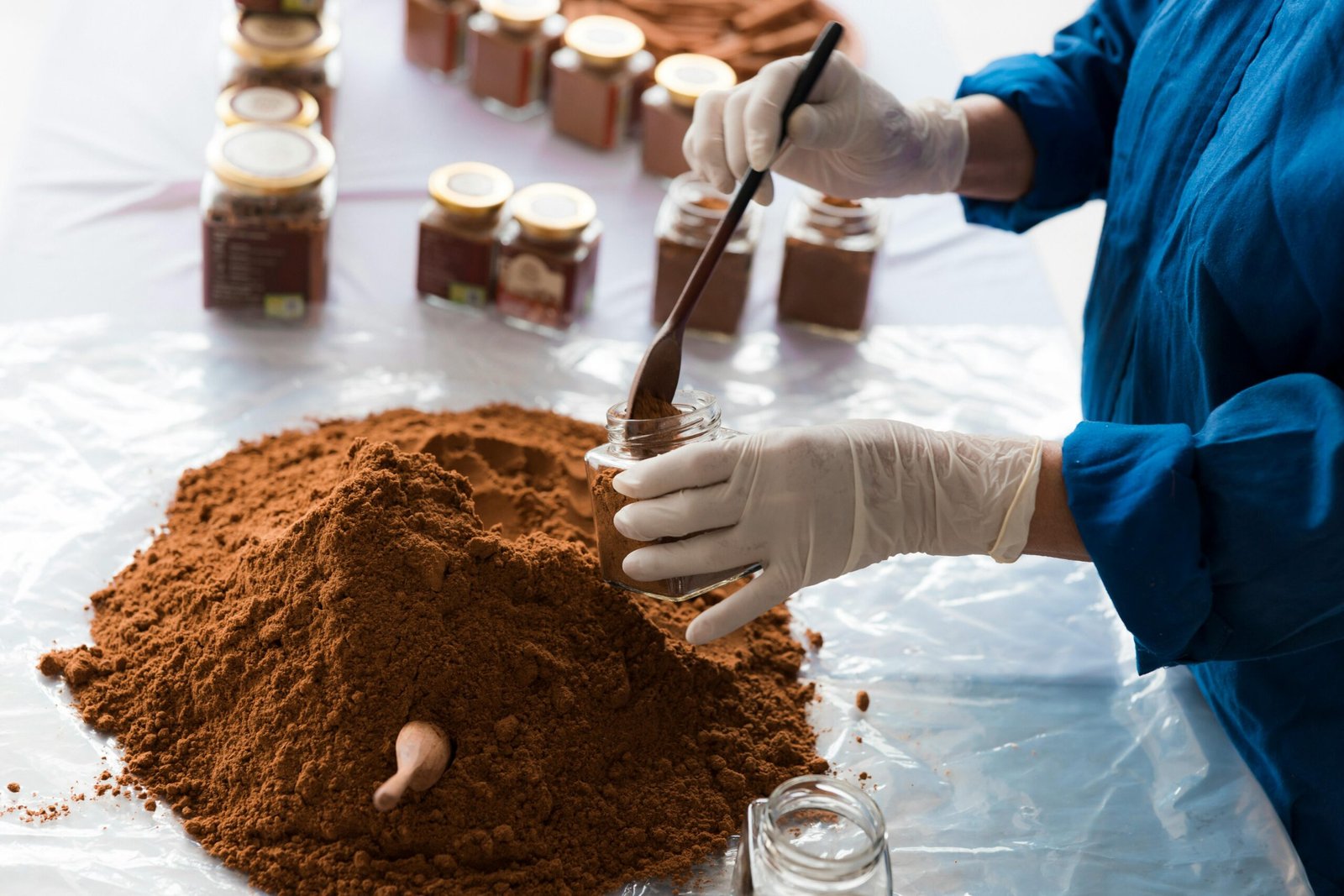
- The extract is purified, dried (often spray-dried), and milled to produce a powder suitable for cosmetics.
- Variants include chemically or physically modified derivatives (e.g., hydroxypropylated forms) to change solubility and rheology.
Chemical structure and cosmetic-relevant properties
We will explain how the molecular features of carob gum translate to functional properties in formulations.
Carob gum is primarily a galactomannan: a polymer backbone of mannose units with galactose side chains. The mannose:galactose ratio and molecular weight determine solubility and viscosity. LBG provides thickening, stabilizing, and film-forming capabilities. It forms viscous solutions in water and interacts synergistically with other hydrocolloids such as xanthan gum and carrageenan to produce gels and textures that are desirable in masks and creams.
Physical properties that matter to formulators
We will list the key performance parameters so that we can anticipate how the ingredient behaves in a formula.
- Solubility: swellable in hot water and partially soluble at room temperature; hydration time can be slow.
- Viscosity: contributes moderate-to-high viscosity depending on concentration and molecular weight.
- Rheology: provides pseudoplastic (shear-thinning) behavior, improving spreadability.
- Synergy: forms strong gels with other gums (notably xanthan) to achieve specific textures.
- Film formation: produces a breathable film on the skin that can impart a tightening or “mask” effect when dried.
Functional roles in skincare formulations
We will outline the common uses so that we can identify why manufacturers include carob gum.
Carob gum serves multiple roles in skincare:
- Thickener: controls product consistency for creams, gels, and masks.
- Stabilizer: suspends solids (e.g., mineral pigments, clays) and maintains emulsion/dispersion stability.
- Texture modifier: contributes to spreadability and sensory attributes.
- Film former: imparts a mild tightening effect in mask products that dry down.
- Moisture retention: helps retain hydration at the skin surface due to its hygroscopic properties.
Role in masks specifically
We will explain why Ceratonia Siliqua (Carob) Gum is a logical choice for products like Biodance Radiant Vita Niacinamide Real Deep Mask.
In rinse-off and leave-on masks, carob gum helps create the desired creamy or gel-like consistency. In clay or biocellulose masks, it improves suspension and application ease. When included in a niacinamide-containing mask formulation, carob gum can stabilize the texture and help keep actives evenly dispersed, contributing to consistent dosing on the skin.
Compatibility with common actives and ingredients
We will review interactions with actives such as niacinamide and other common cosmetic components so we can anticipate formulation and performance outcomes.
Carob gum is generally compatible with a wide pH range (typically stable from pH 3 to 9), which makes it suitable for use in formulations with niacinamide (commonly pH 5–7) and many botanical extracts. It does not chemically react with niacinamide; rather, it acts as a neutral matrix that supports delivery by maintaining suspension and contact with the skin.
Interactions with acids and pH-sensitive actives
We will summarize compatibility concerns for low pH actives.
- AHAs/BHAs: Carob gum can tolerate moderate acidic conditions, but extremely low pH (<3) may hydrolyze polysaccharide chains over time, potentially reducing viscosity.< />i>
- Vitamin C (ascorbic acid): low pH and oxidative environments can destabilize both the active and polysaccharide; formulation strategies are needed to maintain activity.
- Retinoids: compatible from a stability standpoint, but retinoids are sensitive to oxidation and light. Gum presence does not protect them intrinsically.
Interactions with other thickeners and gums
We will highlight the commonly used synergies.
Carob gum exhibits strong synergy with xanthan gum; small amounts of each can generate firm gels that neither can achieve alone. With carrageenan, it forms thermostable gels useful in rinse-off masks. We should monitor hydration order and mixing shear because carob gum hydrates slowly and can form lumps if not pre-dispersed properly.
Typical usage levels and formulation tips
We will provide practical guidance for formulators and for consumers interpreting labels.
Typical use levels for carob gum in cosmetics range from 0.1% to 2.0% depending on the desired viscosity and synergy with other gums. In masks, use levels are often 0.5%–1.5%. When formulating:
- Pre-hydrate: disperse the powder into a portion of the water phase with high shear or use a pre-gel dispersion technique to avoid clumping.
- Heat can accelerate hydration, so warm water (not boiling) helps dissolve the gum more quickly.
- Combine with xanthan in small increments to achieve target gel strength.
- Adjust pH after full hydration if needed to avoid destabilizing the polysaccharide.
- Preserve appropriately: gums are biodegradable and can support microbial growth if formulations are contaminated or inadequately preserved.
Table: Typical usage ranges and functions
We will present a concise table for quick reference.
| Application | Typical Use Level | Primary Function |
|---|---|---|
| Creams and lotions | 0.2% – 1.0% | Thickener, stabilizer |
| Gels and serums | 0.1% – 0.5% | Rheology modifier, texture |
| Masks (leave-on or rinse-off) | 0.5% – 1.5% | Suspension, film-former, texture |
| Emulsion stabilizers | 0.2% – 1.0% | Prevents phase separation |
| Specialty gels (with xanthan) | 0.05% – 0.5% (each) | Strong gel formation |
Safety profile and allergenicity
We will assess safety considerations so that we can make risk-informed choices for sensitive skin and regulatory compliance.
Carob gum is considered safe for topical use in cosmetics when used within typical concentrations. It is a high molecular weight polysaccharide that does not penetrate the skin barrier or act as a low-molecular-weight sensitizer. However, as with any botanical-derived ingredient, impurities and processing residues can introduce variability.
Allergen and sensitization concerns
We will discuss legume-family concerns and practical guidance.
Because Carob comes from a legume, some question whether individuals with legume allergies (e.g., peanut, soy) might react. Clinical evidence suggests locust bean gum exhibits low allergenic potential; skin sensitization is rare. Nevertheless, if we or our customers have severe legume allergies, we should perform a patch test or consult an allergist. Manufacturers with clear allergen testing and documentation reduce the risk for sensitive populations.
Microbial risk and preservation
We will explain why proper preservation matters more with polysaccharides.
Gums can carry a small bioburden from plant processing and, once in finished products, provide an organic substrate for microbial growth. Therefore:
- Robust preservation systems are necessary, especially in water-rich formulations.
- A challenge test is the standard method to validate preservative efficacy.
- pH, chelators, and the presence of ethanol or glycols can influence preservative performance.
Regulatory status and labeling
We will outline international regulatory conventions to help with product compliance.
In cosmetics, the ingredient is labeled under INCI as Ceratonia Siliqua (Carob) Gum. It is generally accepted globally as a cosmetic excipient. Specific regulatory constraints are uncommon; however, labeling requirements for allergens and botanical names vary by region. We should consult local regulations (EU Cosmetic Regulation, FDA guidance, etc.) when exporting or marketing internationally.
Natural and organic certifications
We will comment on certification considerations.
Carob gum can be certified under organic or natural ingredient schemes if processed according to standards (e.g., COSMOS, Ecocert). Some modifiers or processing aids may disqualify a batch from certain certifications, so suppliers should provide the necessary documentation.
Sustainability and sourcing considerations
We will analyze environmental and ethical factors that influence our ingredient choices.
Carob trees are drought-tolerant and can be part of sustainable agroforestry systems in Mediterranean climates, contributing to soil stabilization and biodiversity. However, sustainable sourcing requires transparency about farming practices, fair labor, and energy use in processing. We should favor suppliers who provide third-party audits, traceability, and environmental impact data.
Carbon footprint and biodegradability
We will discuss lifecycle aspects.
As a plant-derived polysaccharide, carob gum is biodegradable and has a lower end-of-life environmental burden than many synthetic polymers. Nevertheless, energy consumed during extraction and drying, and transportation from Mediterranean regions to global manufacturing sites, contribute to its overall footprint. Where possible, we should evaluate suppliers on carbon reporting and local sourcing options.
Analytical methods and quality control
We will outline how manufacturers ensure consistent performance and purity.
Quality control for carob gum includes:
- Microbial limits testing (bioburden, absence of pathogens).
- Ash content and moisture content.
- Viscosity profiling and molecular weight estimation.
- Galactomannan ratio and degree of substitution (for modified gums).
- Absence of contaminants (heavy metals, pesticides).
Stability testing in finished products
We will explain practical steps for product validation.
Formulators should perform accelerated stability tests (heat/cold cycles, centrifugation, room temperature) and real-time stability to ensure viscosity, color, odor, and microbial stability remain acceptable. We should monitor viscosity over time because polysaccharides can hydrolyze or interact with other ingredients leading to viscosity loss or syneresis.
Sensory and consumer experience
We will help translate technical properties into consumer-relevant sensations.
Carob gum typically contributes to a smooth, creamy feel and controlled spreadability. In masks, it can create a pleasant, non-sticky film that tightens slightly on drying. Because it is not oily, it suits formulations intended for combination or oily skin types as well as for sensitive skin, provided preservatives are suitable.
Perceptions and marketing claims
We will advise on transparent and accurate communication.
We should avoid overstated claims about natural ingredients curing complex skin issues. Instead, we can accurately describe carob gum’s functional role (e.g., “plant-derived thickener and stabilizer”) and support claims with formulation data, such as texture descriptions and preservative efficacy tests. This approach aligns with the “transparent skincare” ethos.
Case study: Biodance Radiant Vita Niacinamide Real Deep Mask — ingredient role analysis
We will apply our understanding to a real-world product example to illustrate the ingredient’s purpose.
Although we may not have the full formulation of the Biodance Radiant Vita Niacinamide Real Deep Mask in this context, we can analyze the role of Ceratonia Siliqua (Carob) Gum where it appears on the ingredient list. In a niacinamide-rich mask, carob gum likely:
- Provides viscosity and holds the formula together for consistent application.
- Suspends any particulate actives or texturizing agents (clays, mica).
- Contributes to a uniform sensory profile, helping the mask adhere to skin without running.
- Potentially imparts a mild film effect that enhances the perceived efficacy of the mask during the leave-on period.
How to be a smart consumer with this product
We will offer pragmatic advice so that we can evaluate products confidently.
- Read the full ingredient list. The presence of Ceratonia Siliqua (Carob) Gum suggests attention to texture and suspension, but look for the preservative system and pH to judge stability with niacinamide.
- Check usage directions and claims. If the product claims extended “deep” delivery of niacinamide, ask whether the vehicle and preservatives support such delivery.
- Patch test if you have sensitive or allergy-prone skin.
- Consider the product’s packaging: airtight, opaque, single-use sachets, or pump dispensers help preserve polysaccharide-containing systems.
Troubleshooting common formulation issues
We will present solutions to typical challenges encountered with carob gum.
Problem: Lump formation on hydration.
- Solution: Pre-disperse powder in a hydrophilic surfactant or use a high-shear mixer and warm water.
Problem: Low viscosity after storage.
- Solution: Evaluate pH and enzymatic contamination; ensure appropriate preservative efficacy and check for hydrolytic agents or oxidative degradation.
Problem: Microbial contamination.
- Solution: Reassess preservative choice, chelation (EDTA), and manufacturing hygiene. Perform a preservative challenge test.
Problem: Incompatibility with other polysaccharides leading to syneresis.
- Solution: Adjust concentrations and order of addition; utilize stabilizers like cellulose derivatives for added stability.
FAQs we are often asked
We will answer concise common questions to address practical concerns.
Q: Is carob gum comedogenic?
- A: No, carob gum is not considered comedogenic. It is water-soluble and contributes little to pore-clogging.
Q: Can carob gum be used in anhydrous systems?
- A: No, carob gum is hydrophilic and requires water to hydrate and function. It is not suitable for oil-only formulations.
Q: Is carob gum vegan and cruelty-free?
- A: As a plant-derived polysaccharide, carob gum is inherently vegan. Cruelty-free status depends on the brand’s overall policies and testing standards.
Q: Does carob gum interact with niacinamide?
- A: Chemically, no adverse interaction is expected. It simply acts as a vehicle that supports even distribution.
Final considerations for transparent skincare
We will summarize actionable takeaways that connect ingredient knowledge to consumer empowerment.
- Read labels with an understanding of functional ingredients: Ceratonia Siliqua (Carob) Gum is primarily a texture and stability agent rather than an active ingredient like niacinamide.
- Demand transparency from brands: suppliers should disclose INCI names, source origin, and preservation strategies so consumers can assess safety and sustainability.
- Understand that botanical gums require robust preservation and quality control; a trustworthy product will include evidence of microbial safety.
- Consider sustainability and sourcing: ask brands about supplier audits, organic certifications, and carbon footprint if environmental impact matters to us.
Appendices: quick-reference tables
We will provide a couple of compact tables for easy comparison and decision-making.
Table: Comparison of common cosmetic gums
| Gum (INCI) | Primary Source | Typical Use Level | Notable Properties |
|---|---|---|---|
| Ceratonia Siliqua (Carob) Gum | Carob seed endosperm | 0.1% – 2.0% | Good gel formation with xanthan; film-forming; slow hydration |
| Xanthan Gum | Fermentation (Xanthomonas) | 0.05% – 1.0% | Strong pseudoplasticity; rapid hydration; good stabilizer |
| Guar Gum (Cyamopsis Tetragonoloba) | Guar seeds | 0.1% – 1.0% | High viscosity; sensitive to shear; quick hydration |
| Carrageenan | Red seaweed | 0.1% – 1.0% | Strong thermoreversible gels; good mouthfeel for cosmetics |
Table: Practical checklist for consumers examining products with carob gum
| Item to Check | Why it matters |
|---|---|
| Full ingredient list | Confirms preservative and active compatibility |
| Packaging type | Airless/opaque reduces oxidation and contamination |
| pH value (if provided) | Indicates compatibility with actives like niacinamide |
| Manufacturer transparency | Supplier traceability and testing data are signs of quality |
| Allergy or sensitivity claims | Helps those with legume allergies decide on patch testing |
Conclusion
We will restate our key points and encourage responsible choices.
Ceratonia Siliqua (Carob) Gum is a versatile, plant-derived polysaccharide widely used to shape texture, stability, and sensory properties in skincare formulations. In products such as the Biodance Radiant Vita Niacinamide Real Deep Mask, it contributes to a consistent, spreadable matrix that aids delivery of active ingredients and creates the expected mask experience. As informed formulators and consumers, we should demand ingredient transparency, proper preservation, and responsible sourcing to ensure safety, efficacy, and sustainability. By understanding the role and limitations of carob gum, we can better interpret product claims and select skincare that aligns with our values and skin needs.