
Have you ever wondered what Butylene Glycol is doing in your Collagen Jelly Cream and whether it’s safe for your skin?
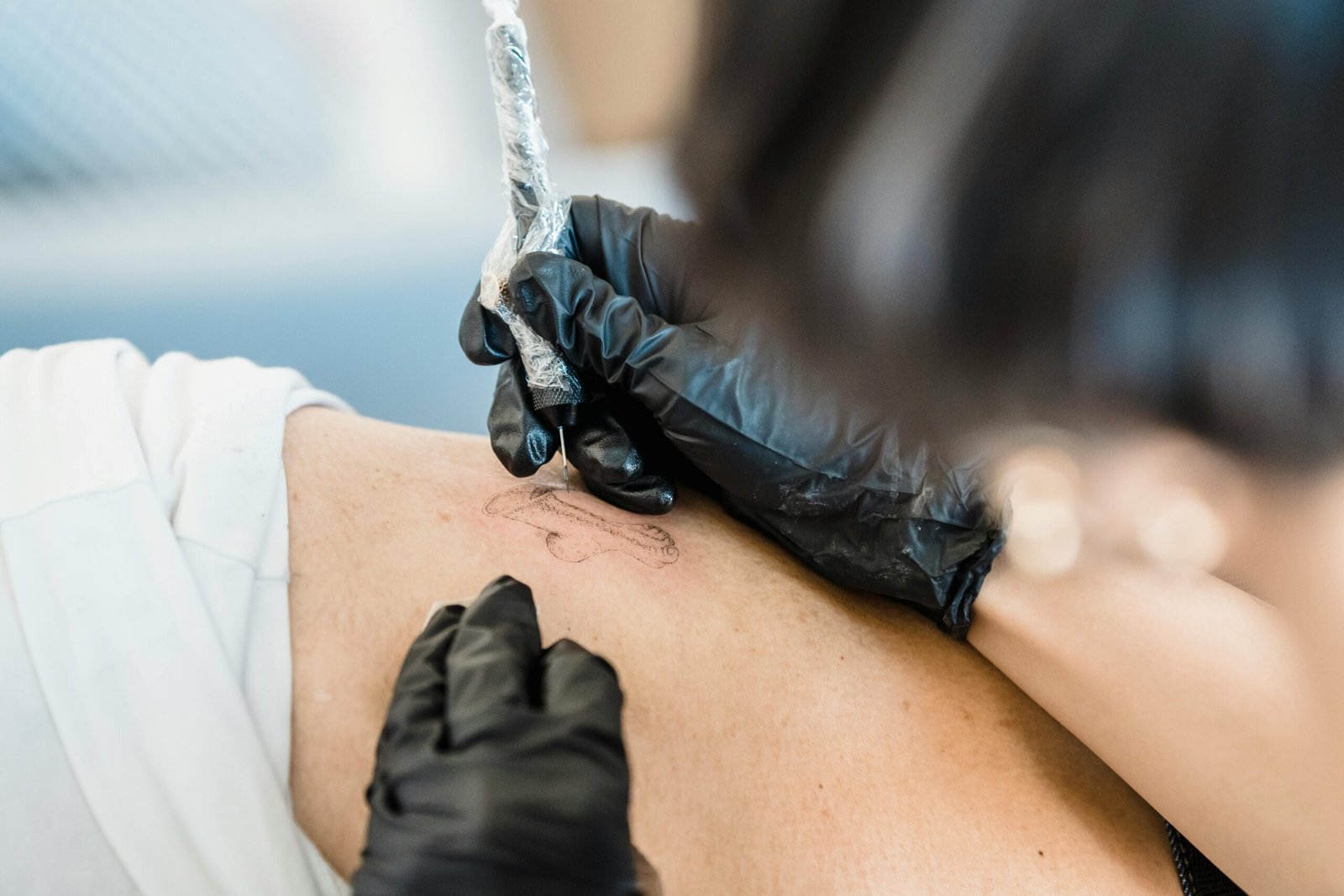
Butylene Glycol in Collagen Jelly Cream A clear ingredient guide for users
You’re holding a popular product — medicube Collagen Jelly Cream – Niacinamide & Freeze-Dried Hydrolyzed Collagen — and you want to know exactly what’s in it and what those ingredients will do for your skin. This guide breaks down Butylene Glycol and Methylpropanediol, explains their roles in the formula, compares them to other common humectants, and gives clear, practical advice so you can make informed decisions about using this cream on your face.
What this guide covers and how you should use it
You’ll get:
- A plain-language explanation of what Butylene Glycol and Methylpropanediol are.
- Their functions in a collagen jelly cream.
- Safety, irritation risk, and suitability for different skin types.
- How these ingredients interact with key actives in the product (niacinamide and hydrolyzed collagen).
- Practical tips: patch testing, layering, and storage.
Use this as a reference to decide if the product fits your skin needs, and how to get the best results while minimizing irritation risk.
What is Butylene Glycol?
You can think of Butylene Glycol as a multifunctional ingredient widely used in skincare. Chemically, it’s a small, water-soluble diol (a type of alcohol with two hydroxyl groups). In cosmetics, it’s commonly listed simply as “Butylene Glycol.”
Primary functions of Butylene Glycol
You’ll find Butylene Glycol serving several roles in skincare:
- Solvent: it helps dissolve active ingredients that don’t dissolve well in water alone.
- Humectant: it attracts and holds moisture, improving skin hydration and the product’s feel.
- Penetration enhancer: it can help other ingredients move slightly deeper into the outer skin layers.
- Texture modifier: it contributes to the lightweight, gel-like texture of jelly creams.
- Preservative booster: it can help preservatives work more effectively by improving the overall antimicrobial environment.
These combined roles make Butylene Glycol a versatile ingredient for jelly-type formulations where lightweight hydration and good spreading are desired.
What is Methylpropanediol?
Methylpropanediol (often abbreviated MPD) is another small solvent and humectant used in cosmetics. It behaves similarly to Butylene Glycol in many ways but has its own profile.
Primary functions of Methylpropanediol
In your collagen jelly cream, Methylpropanediol typically serves as:
- Solvent: helps dissolve and stabilize actives and fragrance ingredients.
- Humectant: supports moisture retention in the upper layers of the skin.
- Penetration enhancer: helps active molecules reach their target in the outermost skin layers more effectively.
- Formulation helper: improves texture, spreadability, and overall feel.
Methylpropanediol is often used together with other glycols because they complement each other’s solvent and humectant properties.
Why these ingredients are used together in a collagen jelly cream
Jelly creams aim to feel lightweight and hydrating without heavy oiliness. In a formula that includes items like niacinamide and freeze-dried hydrolyzed collagen, you want a vehicle that:
- Dissolves and stabilizes those actives.
- Feels comfortable on the skin.
- Helps deliver benefits where they’re most useful.
Butylene Glycol and Methylpropanediol do exactly that: they dissolve and carry actives, increase skin hydration, and improve texture and spreadability without adding a greasy film. When you apply the cream, these ingredients help the product absorb smoothly and feel refreshing.
How Butylene Glycol works in the skin
You should know that Butylene Glycol mainly acts on the surface and the uppermost layers of the stratum corneum (the outer skin layer). Here’s what it does when you apply the cream:
- Attracts water from the environment and from deeper skin layers to help maintain surface hydration.
- Increases the solubility and availability of actives (like niacinamide and small peptides), which can help them perform better on the skin’s surface.
- Slightly enhances penetration, meaning small molecules are more likely to cross the outer barrier and reach their intended targets in the upper epidermis. This is helpful for ingredients intended to work at or just below the surface, but it’s not the same as systemic absorption.
Overall, you’ll likely notice improved texture, faster absorption, and better initial hydration.
How Methylpropanediol works in the skin
Methylpropanediol functions very similarly and will:
- Hold moisture at the surface to give an immediate hydrated feel.
- Improve the solubility of actives so they perform efficiently.
- Help the product spread and sink in without a heavy residue.
Because both glycols are somewhat small molecules and water-soluble, they’re ideal in gel-type and jelly-type products like your collagen jelly cream.
Are Butylene Glycol and Methylpropanediol safe?
You probably want a direct answer: yes, when used in normal cosmetic concentrations, both ingredients are generally considered safe for topical use by most people. They’re common ingredients across many skincare products worldwide, and they’re evaluated by cosmetic safety groups and regulators.
What to watch for
- Irritation: a small number of people, especially those with extremely sensitive skin or existing barrier disruption, may experience stinging, redness, or contact dermatitis. Patch testing is a good idea if you’re sensitive.
- Concentration matters: irritation risk increases with higher concentrations or repeated use on damaged skin.
- Preservative role: because glycols can influence preservative systems, a well-formulated product will ensure microbial safety. Don’t assume a product is preserved properly; reputable manufacturers test preservative efficacy.
If you have known sensitivity to glycols (common in people with allergic contact dermatitis to propylene glycol or similar ingredients), consult a dermatologist before regular use.
Comparing Butylene Glycol, Methylpropanediol, and other humectants
It helps to see these ingredients next to others you may know, like glycerin and propanediol.
| Ingredient | Main role(s) | Typical feel on skin | Penetration enhancement | Common in jelly creams |
|---|---|---|---|---|
| Butylene Glycol | Solvent, humectant, texture improver | Lightweight, slightly slick, fast-absorbing | Moderate | Yes |
| Methylpropanediol | Solvent, humectant, penetration enhancer | Light, smooth, non-greasy | Moderate | Yes |
| Glycerin | Humectant | Thicker, more tacky when concentrated | Low | Sometimes (adds viscosity) |
| Propanediol (1,3) | Solvent, humectant | Light, slightly silky | Moderate | Yes |
You’ll find that butylene glycol and methylpropanediol are chosen when formulators want a lightweight, non-sticky feel with good solubilizing power for actives.
Butylene Glycol, Methylpropanediol, and the key actives in your product
Your product lists Niacinamide and Freeze-Dried Hydrolyzed Collagen alongside these glycols. Here’s how they interact:
Niacinamide (Vitamin B3)
- Compatibility: Niacinamide is water-soluble and works well with glycols. Butylene Glycol and Methylpropanediol help keep niacinamide soluble and ensure even dispersion.
- Delivery: The penetration-enhancing effect can help niacinamide reach the outer epidermis where it reduces redness, strengthens the barrier, and regulates sebum.
- Stability: Niacinamide is relatively stable in neutral formulations. Glycols don’t typically destabilize it.
Freeze-Dried Hydrolyzed Collagen
- What it is: Hydrolyzed collagen consists of smaller peptide fragments derived from collagen. Freeze-drying preserves these fragments for rehydration during formulation.
- Topical benefit: Hydrolyzed collagen acts as a humectant and film-former; it improves skin feel and can temporarily plump the surface to reduce the appearance of fine lines.
- Role of glycols: Butylene Glycol and Methylpropanediol help dissolve and suspend these peptides, delivering them uniformly in the gel matrix and enhancing their skin contact.
Together, these ingredients create a formula that hydrates, feels lightweight, and delivers measurable surface benefits.
Are these ingredients comedogenic?
You want to know if they’ll clog pores. Both Butylene Glycol and Methylpropanediol are considered non-comedogenic. They are water-soluble and do not contribute to pore clogging the way heavy oils can. If you’re acne-prone, the other ingredients in the formula (oils, esters, or heavy emollients) are more likely culprits than these glycols.
Potential concerns and myths
You may have seen scary claims online. Let’s separate myth from fact:
- Myth: Glycols cause systemic toxicity through skin absorption.
- Fact: Butylene Glycol and Methylpropanediol are used safely in topical products at typical concentrations. They primarily act at the surface and upper epidermis. Systemic exposure from proper topical use is negligible.
- Myth: Penetration enhancers let “toxins” enter your skin.
- Fact: Penetration enhancers slightly increase the ability of small, formulated molecules to reach their intended outer-skin targets. They don’t create a pathway for random harmful substances to flood into your bloodstream.
- Myth: All glycols are the same and cause allergies often.
- Fact: Sensitivity varies by individual and by specific glycol. Propylene glycol sensitivities exist, but Butylene Glycol and Methylpropanediol are less commonly allergenic. Still, patch test if you’re worried.
Who should be cautious?
You should be cautious if:
- You have a history of allergic contact dermatitis to glycols or similar solvents.
- Your skin barrier is severely compromised (active eczema flare, open wounds).
- You experience burning or stinging when using products with glycols — stop and consult a dermatologist.
For most people, these ingredients are well tolerated.
Patch testing: how to do it and what to watch for
If you want reassurance before applying the cream to your face, follow this simple patch test:
- Apply a small amount of the cream to an inconspicuous area — inside of your wrist or behind your ear.
- Leave it on for 24 hours. Avoid washing the area during that time.
- Watch for redness, itching, swelling, blistering, or prolonged stinging.
- If any adverse reaction appears, stop use and consult a dermatologist.
This quick step can save you discomfort and help you identify sensitivities early.
How to incorporate a collagen jelly cream into your routine
You likely want straightforward guidance for daily use:
- When to apply: Use after cleansing and any water-based serums (like hyaluronic acid serums) and before heavier creams or oils. Because this is a jelly cream, it may sometimes be used as the final moisturizer for oily or combination skin.
- Layering with actives: Niacinamide is stable and pairs well with most ingredients, including AHA/BHAs and retinoids. If you use strong actives like retinoids or acids, introduce the jelly cream slowly and monitor for irritation.
- Frequency: Once or twice daily depending on your skin type. Oily skin may prefer once nightly; dry skin may use it morning and night.
- Storage: Keep the jar or tube tightly closed and store at room temperature away from direct sunlight to preserve ingredient integrity.

Does Butylene Glycol increase the effectiveness of preservatives?
Yes, glycols can improve the performance of some preservative systems. They can reduce the water activity slightly and can act synergistically with preservatives, but they are not replacements for preservatives. A properly formulated product will include an effective preservative system validated by testing (challenge testing). You shouldn’t assume a product is safe just because it contains glycols; the manufacturer must ensure microbial safety through testing.
Effect on sensitive conditions: acne, rosacea, eczema
- Acne-prone skin: Because these glycols are non-comedogenic, they’re generally safe for acne-prone skin. However, if you experience irritation, that can exacerbate acne or post-inflammatory hyperpigmentation.
- Rosacea-prone skin: Some in-the-moment stinging or flushing can be triggered by glycols in sensitive rosacea skin. Patch test and start slowly.
- Eczema/atopic skin: A compromised barrier can be more reactive. If your eczema is active, avoid potential irritants and consult your dermatologist before introducing new products.
Pregnancy and breastfeeding
Topical use of Butylene Glycol and Methylpropanediol is generally considered safe during pregnancy and lactation when used as directed in cosmetic products. If you are pregnant or breastfeeding and have concerns, check with your healthcare provider for personalized advice.
Environmental and ethical considerations
You may care about sustainability and sourcing. These small solvent ingredients are typically synthesized from petrochemical feedstocks or bio-based sources depending on the manufacturer. If sustainability or vegan/cruelty-free certification matters to you, check the brand’s transparency statements — many companies disclose sourcing and testing policies on their websites.
Signs a product might not be formulated properly
You can tell a product might be poorly formulated if:
- It has an unusual or persistent chemical smell.
- It separates or shows visible signs of instability.
- It causes immediate, strong irritation on many users.
- The manufacturer provides no preservative system information or safety testing.
A reputable brand will have tested their product for preservative efficacy and stability.
Simple ingredient checklist to evaluate your jelly cream
You can use this small checklist when evaluating the medicube Collagen Jelly Cream or similar products:
- Is the product from a reputable manufacturer with ingredient transparency?
- Does it contain known irritants in high concentrations (fragrance, high acids) if you’re sensitive?
- Are the active claims (collagen, niacinamide) supported by plausible ingredient interactions and concentrations?
- Is the preservative system present and acceptable?
- Have you performed a patch test and monitored your skin?
If the answers are mostly positive, the product is likely suitable for general use.
Quick-reference table: pros and cons of Butylene Glycol & Methylpropanediol
| Ingredient | Pros | Cons |
|---|---|---|
| Butylene Glycol | Effective humectant, improves texture and solubility, commonly well tolerated | Small risk of irritation for sensitive skin, depends on concentration |
| Methylpropanediol | Good solvent and humectant, enhances penetration, improves feel | Possible irritation in sensitive individuals, fewer long-term consumer data than glycerin |
This comparison helps you evaluate trade-offs when selecting products.
Tips to minimize irritation when using products with glycols
You can reduce the risk of irritation with these simple steps:
- Patch test first.
- Start with once-daily application before increasing frequency.
- Avoid combining many new actives simultaneously (introduce one new product at a time).
- Use a gentle, non-stripping cleanser to preserve the skin barrier.
- Layer a thin occlusive or richer moisturizer if you have very dry skin and find the jelly cream insufficient alone.
What results should you expect and when?
You should expect to notice:
- Immediate: improved surface hydration, smoother feel, and better spreadability.
- Short-term (2–4 weeks): improved skin texture, possibly reduced surface dryness and temporary softening of fine lines due to hydration and film-forming peptides.
- Long-term: for true collagen synthesis or structural changes, topical hydrolyzed collagen provides mostly surface benefits. For deeper collagen stimulation, ingredients like retinoids and peptides that stimulate dermal remodeling are more effective.
Evaluate results over 4–8 weeks to judge whether the product suits your skin goals.
Frequently asked questions (FAQ)
Q: Will Butylene Glycol make my skin more susceptible to irritation by other ingredients? A: It can increase penetration slightly, which may make some actives feel more intense, but it’s usually a mild effect. If you’re using strong actives, introduce them gradually.
Q: Can these glycols cause acne? A: They’re water-soluble and non-comedogenic, so they’re unlikely to clog pores. Any acne flare is more often due to other ingredients or skin irritation.
Q: Should people with sensitive skin avoid products with glycols? A: Not necessarily. Many sensitive-skin-friendly products contain glycols, but sensitivity varies. Patch testing is the best safeguard.
Q: Is hydrolyzed collagen effective in topical products? A: Hydrolyzed collagen provides surface hydration and a temporary plumping/film effect. It’s not the same as boosting your skin’s own collagen production, which typically requires peptides and retinoids.
Final practical recommendations
You’ll get the most benefit from medicube Collagen Jelly Cream if you:
- Patch test before full-face use.
- Use it consistently (morning or night) as part of a basic routine: cleanse, serum, jelly cream, sunscreen (AM).
- Pair it with a balanced routine that includes barrier-supporting ingredients (ceramides, fatty acids) if you have dry or compromised skin.
- Monitor for irritation when combining with strong actives; reduce frequency if needed.
Final thoughts
You deserve clarity about what you put on your face. Butylene Glycol and Methylpropanediol are functional, effective ingredients that help deliver hydration, improve texture, and carry active molecules like niacinamide and hydrolyzed collagen where they’re most useful on the skin’s surface. For most users they’re safe and well tolerated, but if you have unusually reactive skin, perform a patch test and proceed cautiously.
If you want, you can tell me your skin type and routine and I’ll help you decide how this collagen jelly cream could fit into your personal regimen.