
?Are we confident that the ingredient list of Biodance Radiant Vita Niacinamide Real Deep Mask gives our skin the transparency and results it deserves?
Biodance Radiant Vita Niacinamide Real Deep Mask Ingredient Analysis for Smart Consumers
We will present a methodical, ingredient-focused analysis of the Biodance Radiant Vita Niacinamide Real Deep Mask so that we can make informed decisions as consumers. We will describe what the ingredients do, how they interact with skin biology, potential benefits and risks, and practical guidance for use. Where the official full INCI list is unavailable in the supplied context, we will indicate which conclusions are specific to named ingredients (niacinamide, potassium chloride, sucrose) and which are general to mask formulations and ingredient classes.
Why an ingredient analysis matters
We believe that transparency empowers better skincare outcomes. Ingredients determine efficacy, safety, and compatibility with the rest of our routines. An ingredient-level breakdown helps us identify active doses, potential irritants or allergens, and whether the formulation matches the brand claims of radiance and deep skin conditioning.
What we know and what we do not know
We know the product name and a couple of ingredient mentions: niacinamide, potassium chloride, and sucrose. We do not have the full, verified INCI list, concentration data, or pH information for the finished product from the provided context. Therefore, we will:
- Analyze the named ingredients in detail.
- Explain typical roles and expected ingredients in sheet masks and rinse-off masks of this type.
- Offer guidance on how to interpret the actual product label once the full INCI appears.
- Provide practical recommendations for safe and effective use.
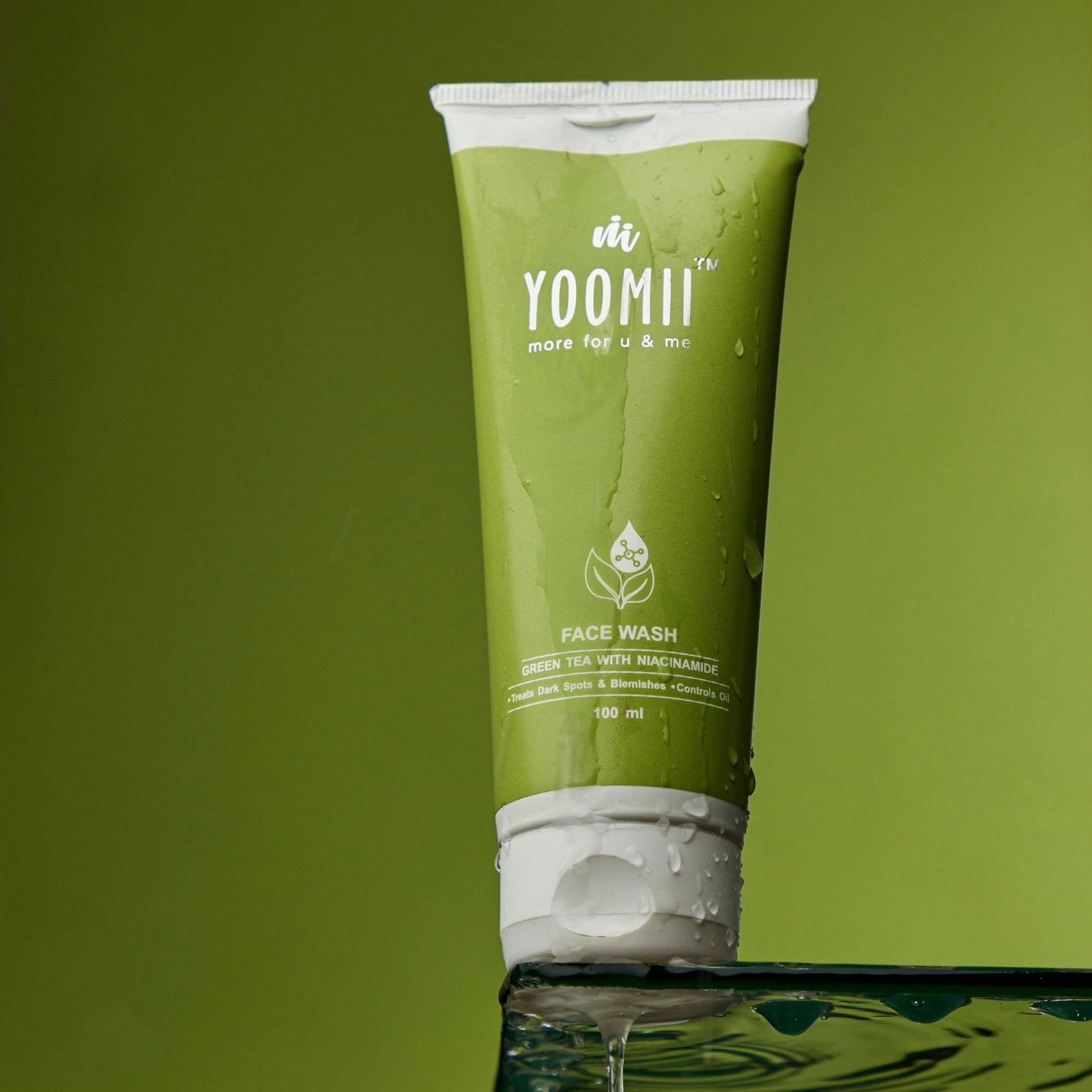
High-level expected formulation of a niacinamide “real deep” mask
We will outline a typical composition so that we can map functions and potential interactions. A niacinamide mask designed for radiance and deep conditioning will commonly include:
- Primary solvent: water (aqua)
- Humectants: glycerin, butylene glycol, propylene glycol, sucrose
- Active: niacinamide (vitamin B3)
- Film formers and thickeners: cellulose, xanthan gum, carbomer, potassium chloride (as electrolyte and viscosity regulator in some systems)
- Emollients: fatty alcohols, esters, dimethicones
- Soothing agents: panthenol, allantoin
- Hydrators: sodium hyaluronate (hyaluronic acid)
- Antioxidants and brightening adjuncts: vitamin C derivatives, tocopherol
- Preservatives: phenoxyethanol, ethylhexylglycerin, parabens (less common now)
- Chelating agents and stabilizers: disodium EDTA
- Fragrance or essential oils (may be present; check label)
We will analyze the roles and safety considerations for these categories and for the named ingredients.
Niacinamide: the primary active we must understand
Niacinamide (nicotinamide) is a water-soluble form of vitamin B3. We consider it one of the most versatile and broadly tolerated actives in modern skincare.
Benefits and mechanisms
- Barrier support: Niacinamide promotes ceramide synthesis and strengthens the stratum corneum, improving barrier function and reducing transepidermal water loss.
- Sebum regulation: It can help normalize sebum production, which may benefit combination and oily skin types.
- Anti-inflammatory: Niacinamide exhibits anti-inflammatory properties that can calm acne-prone and reactive skin.
- Pigmentation and radiance: It interferes with melanosome transfer from melanocytes to keratinocytes, which reduces hyperpigmentation and supports an even tone over time.
- Texture and pore appearance: Regular use can reduce pore enlargement and smooth skin texture.
Typical concentrations and efficacy
- Clinical studies show efficacy commonly at concentrations between 2% and 5% for multiple endpoints (barrier improvement, pigmentation reduction, sebum control).
- Concentrations above 5% may offer incremental improvements for some indications but can increase the chance of irritation for sensitive individuals.
- We recommend assessing product claims against labeled niacinamide percentage; if the concentration is not listed, assume mid-range (2–5%) for mass-market masks unless otherwise stated.
pH and stability considerations
- Niacinamide is stable across a broad pH range (roughly pH 4–7). It does not require highly acidic conditions to remain active.
- There is a historical misconception that niacinamide converts to nicotinic acid at low pH and causes flushing. While very low pH and high temperatures could theoretically cause conversion, practical topical formulations rarely cause clinically meaningful conversion.
- We should check the product pH if provided; a pH near skin’s natural pH (around 5–6) is compatible with niacinamide.
Compatibility with other actives
- Vitamin C (ascorbic acid): The old belief that niacinamide and vitamin C react to form an inactive complex is overstated. Modern evidence shows they can be used together effectively, though formulation pH and concentration balance matter. If the mask contains highly acidic vitamin C (pure ascorbic acid at low pH), we should expect careful formulation or separation in routine.
- Acids (AHAs/BHAs): Niacinamide pairs well with mild acids but may cause transient stinging when combined at high concentrations in a single application. Layering is a conservative strategy.
- Retinoids: Niacinamide is generally compatible and may reduce retinoid-associated irritation.
Potassium chloride: function and safety
Potassium chloride (KCl) is often used in cosmetic formulations not as an active for skin biology but as a functional ingredient.
Typical roles in formulations
- Viscosity regulation: In anionic or certain polymer systems (e.g., carbomer gels), potassium chloride can act as an electrolyte to modify viscosity and gel structure.
- Ionic balance and stability: It helps maintain ionic strength in aqueous systems and can influence the feel and film-forming properties of a serum or mask essence.
- Salt for tonicity: In rinse-off products, KCl can influence osmolarity and sensorial properties.
Skin safety and concerns
- Low irritation risk: Potassium chloride at typical cosmetic concentrations is generally non-irritating.
- Avoid in high-salinity exposures: Rarely relevant for topical cosmetics, but individuals with compromised skin barrier can experience transient stinging from high salt concentrations.
- No evidence of systemic toxicity from topical use at standard cosmetic levels.
Sucrose: why sugar appears in skincare
Sucrose is a disaccharide (table sugar) that finds several uses in cosmetics.
Functional roles
- Humectant / skin-conditioning agent: Sugar molecules can attract water or contribute to hydration when formulated appropriately.
- Exfoliating precursor: In enzymatic or hydrolyzed systems, sucrose or sugar derivatives may act as mild exfoliants or be converted into glycolic-like fragments in specialized formulations (less common).
- Viscosity and texture: Sucrose can slightly affect viscosity and increase the perceived thickness or richness of an essence.
- Prebiotic potential: Certain sugars support microbiome balance as substrates for beneficial microbes; however, sucrose itself is not widely used as a defined topical prebiotic without targeted formulation.
Safety considerations
- Generally non-irritating and safe in topical products.
- Rare risk of stickiness or residue if not balanced by humectants and solvents.
- Individuals with very sensitive or acne-prone skin rarely react to sucrose itself; formulation context is more important.
Common complementary ingredients and what to look for
We will summarize common ingredient classes found in niacinamide masks and why they matter.
Humectants (glycerin, propylene glycol, butylene glycol, sucrose)
Humectants attract and retain water in the stratum corneum, improving hydration.
- Glycerin: Gold standard humectant; highly effective and skin-tolerant.
- Butylene glycol / propylene glycol: Help with skin feel and penetration; may irritate very sensitive skin in high concentrations.
- Sucrose: Mild humectant and skin-conditioning agent.
Recommendation: Look for a humectant-dominant formulation if hydration and radiance are key benefits.
Emollients and occlusives (esters, fatty alcohols, silicones)
These soften skin, fill crevices, and reduce TEWL.
- Silicones (dimethicone) provide smooth sensory feel and temporary barrier function.
- Natural oils and esters add emollience but can be comedogenic for acne-prone skin depending on type and concentration.
Recommendation: If we are acne-prone, assess emollient types and avoid heavy oils in leave-on masks.
Polymers and thickeners (cellulose, xanthan gum, carbomer, potassium chloride role)
These give the product its texture and determine how the sheet mask serum is delivered.
- Sheet masks rely on an optimum balance of serum viscosity for adherence and controlled release.
- Potassium chloride can be part of the thickening/viscosity control system.
Recommendation: Thickness that prevents slipping but allows quick absorption is ideal.
Humectant and film-forming balance for sheet masks
- A properly formulated sheet mask delivers humectants and active actives without causing excessive occlusion that traps sweat.
- Sheet materials (cotton, cellulose, hydrogel, bio-cellulose) affect delivery. We should check packaging for sheet material if we have sensitivity.
Preservatives and microbial safety
Effective preservation ensures a product remains safe during storage and use. Preservative systems commonly include phenoxyethanol, ethylhexylglycerin, and paraben alternatives.
- Check for known allergens: parabens (less common now), formaldehyde-releasers, fragrances.
- If product is single-use sheets, preservative demands are lower but still present in stored serum.
Recommendation: Avoid products with added fragrance or essential oils if we have sensitive or rosacea-prone skin.
Potential irritants, allergens, and triggers to watch for
We will list common ingredient triggers and how to identify them.
- Fragrance / parfum: High likelihood of sensitization and irritation; prefer fragrance-free formulations.
- Essential oils: Can be irritant or photosensitizing (e.g., citrus oils).
- Alcohol denat: Can be drying and disturbing to the skin barrier in leave-on formulas.
- High concentrations of active acids: May cause temporary irritation; patch testing is prudent.
- Botanical extracts: Potential for sensitivity despite “natural” perception; evaluate case-by-case.
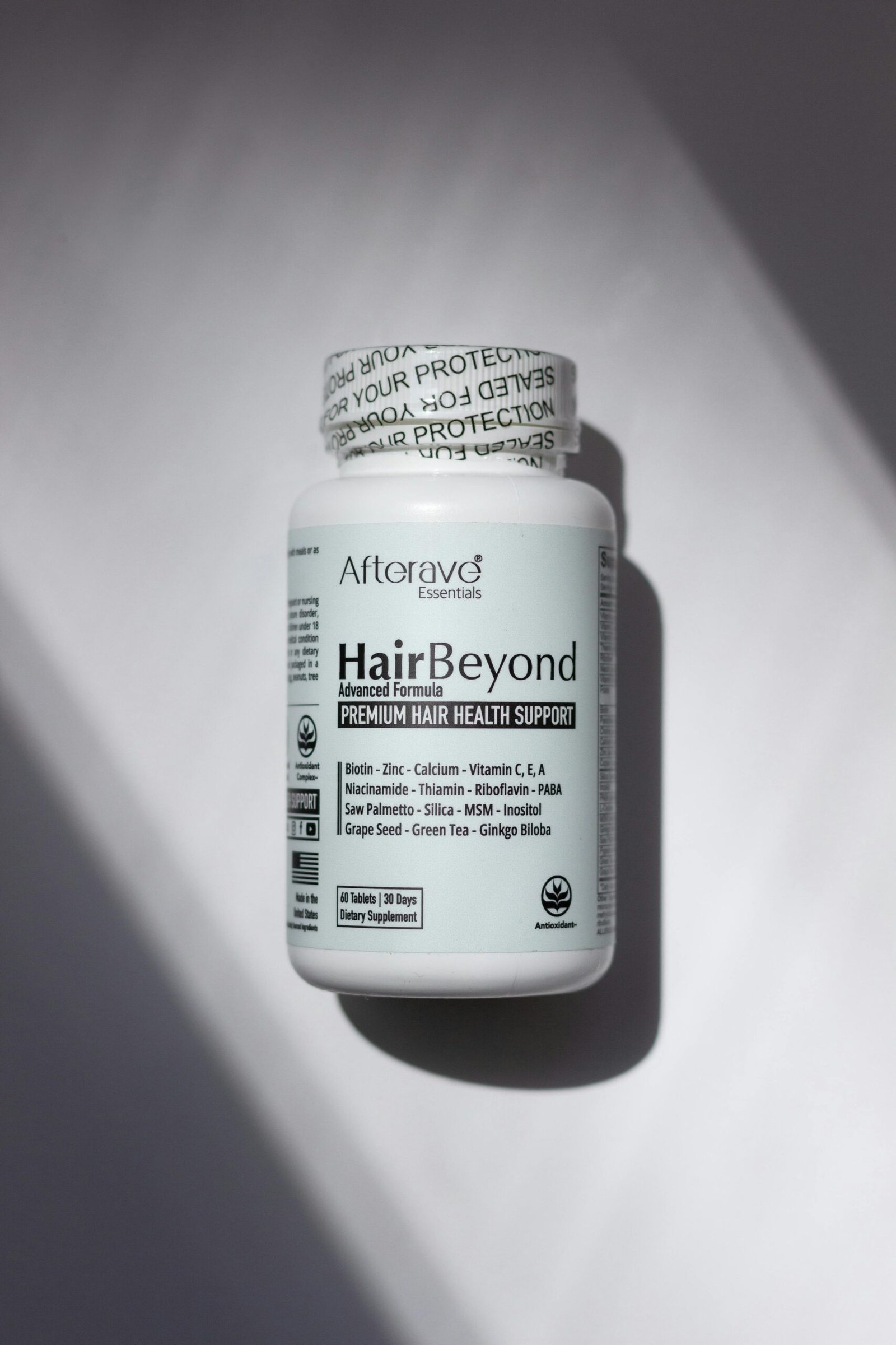
How to read the actual product label: practical checklist
We will provide a checklist so that we can evaluate the real product when we have the INCI.
- Locate niacinamide: Note its position in the INCI order. Higher on the list typically means higher concentration.
- Look for concentration claims: Some brands list percentage of niacinamide (e.g., 2%, 5%); prioritize products that disclose this for transparency.
- Identify the preservative system: Ensure there is an effective broad-spectrum preservative.
- Note pH if listed: A pH near 5–6 is compatible with niacinamide and skin comfort.
- Scan for fragrances and essential oils: Mark as potential irritants.
- Check for comedogenic emollients: If acne-prone, avoid heavy esters and certain natural oils.
- Examine sheet material: Hydrogel/bio-cellulose may deliver actives differently than cotton.
Table: Common ingredient functions and consumer implications
| Ingredient / Class | Typical Function in Mask | Consumer Benefit | Consumer Concern |
|---|---|---|---|
| Niacinamide | Active (brightening, barrier, sebum control) | Improves tone, barrier, reduces oil | Potential irritation at very high % in sensitive skin |
| Glycerin | Humectant | Deep hydration, good compatibility | None major; sticky feel if excessive |
| Butylene glycol / Propylene glycol | Solvent/humectant | Enhances penetration; texture | Possible irritant for very sensitive skin |
| Potassium chloride | Viscosity/electrolyte | Stabilizes gel, improves sensorial feel | Minimal; rare stinging at high salt |
| Sucrose | Humectant/skin conditioning | Mild hydration, smooth feel | Sticky finish if formulation unbalanced |
| Hyaluronic acid (sodium hyaluronate) | Humectant/polysaccharide | Plumping hydration | High-molecular versions hydrate surface; low-MW penetrate more |
| Dimethicone | Emollient/occlusive | Smooth feel, reduces TEWL | Can trap sebum for oily skin if overused |
| Phenoxyethanol | Preservative | Prevents microbial growth | Rare allergic reactions; generally safe ≤1% |
| Fragrance (parfum) | Scent | Sensory appeal | High risk of irritation/sensitization |
Practical guidance for use in a routine
We will recommend how to integrate this mask into routines for different goals.
For hydration and radiance
- Frequency: 1–3 times per week depending on hydration needs.
- Timing: After cleansing and before heavier oils or occlusives for maximum serum absorption.
- Follow-up: Lock in benefits with a moisturizer suited to skin type.
For acne-prone or oily skin
- Ensure the formulation is non-comedogenic.
- Prefer lightweight sheet materials and water-based essences.
- Use niacinamide masks 1–2 times weekly and monitor skin response.
For hyperpigmentation and tone
- Combine consistent niacinamide use with sun protection (daily SPF) to protect gains.
- Expect gradual improvements over 4–12 weeks with regular application.
For sensitized or reactive skin
- Patch test on the inner forearm or behind the ear for 24–48 hours before full-face application.
- Start with shorter contact time than instructed (e.g., 5–10 minutes) and increase slowly if tolerated.
- Choose fragrance-free and minimal-ingredient formulas where possible.
Safety, storage, and single-use considerations
- Storage: Keep sealed and store at room temperature away from direct sunlight. Some masks perform better when sealed and refrigerated for a cooling effect; refrigeration does not alter active stability but does improve sensory experience.
- Single-use vs. multi-use: Most sheet masks are single-use to prevent microbial contamination; if multiple-use ampoules are supplied, check preservative system and discard if serum becomes contaminated.
- Patch testing: We recommend patch testing new actives for at least 24–48 hours.
- Expiry: Observe PAO (period-after-opening) and expiration dates; do not use expired product.
Interpreting marketing claims: “Radiant,” “Real Deep,” and niacinamide claims
We will clarify common claims and realistic expectations.
- “Radiant”: Typically refers to improved skin tone, hydration, and light scattering from smoother skin rather than instant depigmentation.
- “Real Deep”: For topical sheet masks, penetration is limited to epidermal layers; true dermal remodeling requires active delivery systems or professional interventions. Niacinamide functions primarily in the epidermis and upper dermis support through barrier improvement.
- Consumer expectation: Regular, consistent use combined with sunscreen yields the best outcomes for tone and texture.
How to evaluate efficacy without a full INCI
We will suggest steps to validate product suitability when ingredient transparency is partial.
- Request the full INCI: Brands selling active-containing products should provide a complete ingredient list on packaging or websites.
- Look for percentage claims for actives: Transparency about niacinamide concentration is a positive sign.
- Reputation and testing: Seek third-party reviews, dermatological endorsements, or patch-test data when available.
- Packaging and preservation: Sealed individual packets and clear preservative statements reduce microbial risk.
Compatibility matrix: Niacinamide with common routine ingredients
We will provide a quick compatibility summary so that we can plan our routine.
| Paired Ingredient | Compatibility with Niacinamide | Practical Recommendation |
|---|---|---|
| Vitamin C (ascorbic acid) | Generally compatible | Use together if formulation pH is balanced; if irritation occurs, separate morning/evening |
| AHAs/BHAs | Compatible | Layer cautiously; avoid simultaneous high concentrations |
| Retinoids | Compatible, may reduce irritation | Use niacinamide to mitigate retinoid irritation |
| Vitamin E | Synergistic antioxidant effect | Often compatible and beneficial |
| Physical exfoliants | No chemical interaction | Use gently; avoid over-exfoliation on same day |
Frequently asked questions (FAQ)
We will answer pragmatic queries a smart consumer might have.
Q: Can we use niacinamide masks daily? A: Daily use can be acceptable for many people if the product is formulated for frequent application and does not contain irritants. Start 1–3 times weekly and increase if tolerated.
Q: Will niacinamide make our skin more sensitive to the sun? A: No. Niacinamide does not increase photosensitivity. However, any improvement in pigmentation requires daily sun protection to maintain results.
Q: Is potassium chloride a harmful ingredient? A: No, at cosmetic concentrations KCl is safe and primarily used for viscosity and formula stability.
Q: Does sucrose feed acne-causing bacteria? A: Topically applied sucrose is unlikely to significantly feed Cutibacterium acnes in a way that exacerbates acne. The formulation vehicle and overall occlusivity are greater determinants of acne risk.
Q: What if the product contains fragrance? A: If we have sensitive or reactive skin, we should avoid fragrance-containing products. Fragrance is a common cause of contact dermatitis.
Actionable checklist before purchase
We will distill the most important evaluation steps into a short checklist.
- Verify full INCI and locate niacinamide’s position.
- Check for declared niacinamide percentage; prefer 2–5% if stated.
- Confirm preservative system and absence of high-risk allergens if sensitive.
- Choose fragrance-free if prone to irritation.
- Note sheet material (bio-cellulose and hydrogel tend to feel more high-performance).
- Patch test new products and monitor for 48 hours.
- Commit to sunscreen and consistent use to assess results.
Conclusion and consumer stance
We believe that niacinamide is a strong, evidence-backed active suitable for a broad range of skin types, particularly for barrier support, pigmentation control, and sebum regulation. Potassium chloride and sucrose are formulation-support ingredients that contribute to texture, viscosity, and hydration without introducing significant safety concerns at standard cosmetic concentrations.
As smart consumers, we should demand transparent ingredient lists and concentration information. We should evaluate the entire formulation: active concentration, vehicle, preservatives, and potential irritants. With that information, we can place Biodance Radiant Vita Niacinamide Real Deep Mask appropriately within our routines—expecting epidermal-level improvements in radiance, hydration, and barrier function with regular use and sun protection.
If we obtain the full INCI list and concentration data for this product, we will be able to provide a more targeted, data-driven assessment of efficacy and safety. Until then, the above analysis offers a framework to assess the mask’s claims and to integrate it sensibly into our skincare regimen.