
Have you ever paused while reading an ingredients list and wondered exactly what Propanediol does in your Medicube Collagen Jelly Cream?
Propanediol in Medicube Collagen Jelly Cream – An ingredient Deep Dive
Introduction: why one ingredient deserves your attention
You use Medicube Collagen Jelly Cream — a product praised for its Niacinamide and freeze-dried hydrolyzed collagen — because you want visible hydration and a plump, healthy look. When a product is popular, knowing what each ingredient does helps you make informed choices about what you put on your face. Propanediol and Dipropylene Glycol are two supporting players in that formula that affect feel, performance, and sometimes even the safety profile. In the sections that follow, you’ll get a clear, practical breakdown of what these ingredients are, how they work, and what they mean for your skin.
What is Propanediol?
You’ll often see Propanediol listed in modern cosmetics. Chemically, it’s a diol — a molecule with two alcohol groups — most commonly encountered as 1,3-propanediol in skincare. It’s used for several formulation purposes and is favored by many brands that want a lightweight, less-irritating solvent and humectant alternative to older glycol ingredients.
Propanediol can be produced synthetically or via fermentation from plant sources like corn. When it’s made by fermentation, manufacturers sometimes highlight it as a bio-based ingredient. Regardless of origin, its primary uses in topical products are as a humectant (to attract and hold moisture), a solvent (to help dissolve actives like niacinamide), and a skin-feel modifier (improving spreadability and reducing tackiness).
Key functional roles of Propanediol
You’ll find Propanediol doing one or more of these jobs in a cream:
- Humectant: pulls water into the outer skin layers, helping temporary hydration.
- Solvent: helps dissolve water-soluble active ingredients so they stay stable and evenly distributed.
- Penetration aid: can improve delivery of some actives into the skin without increasing irritation.
- Texture enhancer: makes formulations feel smoother and less sticky on the skin.
What is Dipropylene Glycol?
Dipropylene Glycol (often abbreviated DPG) is another glycol-family ingredient you’ll see in many skincare products. It’s a slightly larger molecule than some other glycols and is primarily used as a solvent and carrier for other ingredients. It helps perfume ingredients and actives dissolve and remain evenly distributed, and it also contributes to lightweight texture and low volatility (it doesn’t evaporate quickly).
In formulations like Medicube’s cream, Dipropylene Glycol can help maintain a stable jelly texture, assist rehydration of freeze-dried collagen, and act as a mild humectant.
Functional roles of Dipropylene Glycol
DPG typically serves as:
- Solvent/carrier for actives and fragrances.
- Texture modifier for gel or jelly formulations.
- Mild humectant that draws small amounts of moisture to the surface of the skin.
- Stabilizer for some formulations where rapid evaporation would be a problem.
How Propanediol and Dipropylene Glycol work together in a jelly cream
You might wonder why two similar-sounding glycols are both present. They often complement each other: Propanediol provides rapid skin feel improvements and humectancy, while Dipropylene Glycol supports solubility and texture stability without making the product sticky or greasy. Together they help dissolve and deliver Niacinamide and rehydrate the freeze-dried hydrolyzed collagen so the product performs consistently from jar to jar.
How these ingredients affect performance of Niacinamide and Hydrolyzed Collagen
If you’re using a product for niacinamide’s brightening and barrier-strengthening benefits and collagen’s hydrating film-forming effect, the vehicle matters. Propanediol enhances the solubility of niacinamide, enabling it to maintain potency and distribute evenly across your skin. Dipropylene Glycol helps maintain the jelly texture and encourages proper reconstitution of the freeze-dried hydrolyzed collagen during production and storage, so when you apply the cream it feels evenly hydrated.
In short, these glycols are part of what makes the cream feel light, absorb readily, and deliver the active ingredients consistently.
Safety and tolerability: what you should know
You’ll be pleased to hear that both Propanediol and Dipropylene Glycol have established safety records in topical cosmetics. Compared with older glycols like Propylene Glycol, Propanediol is generally considered gentler and less likely to cause irritation for most people. DPG is also considered low-irritation and is used widely in cosmetics and personal care items.
That said, any ingredient can cause sensitivity for a small number of people. If you have particularly reactive skin or a history of contact dermatitis to glycols, perform a patch test before applying a new product widely. Apply a small amount to the inside of your wrist or behind your ear and wait 24–48 hours to check for redness, itching, or irritation.
Common safety questions you might have
- Will Propanediol or DPG cause acne? These ingredients themselves are not oily or comedogenic and are unlikely to cause acne in most people. However, if the product contains heavy oils or occlusive agents in addition to these glycols, those could contribute to breakouts on acne-prone skin.
- Can you use products with these ingredients during pregnancy? There’s no primary evidence suggesting topical Propanediol or Dipropylene Glycol is harmful during pregnancy. If you have concerns, consult your healthcare provider.
- Are they safe for children or sensitive skin? Generally yes, but patch testing is advisable for sensitive skin or children.

How Propanediol compares with other humectants and solvents
You’ll find multiple humectants in skincare formulas. Here’s a practical comparison to help you understand why a brand might choose Propanediol over other options.
| Ingredient | Typical function | Skin feel | Common pros | Common cons |
|---|---|---|---|---|
| Propanediol | Humectant, solvent, penetration aid | Lightweight, non-sticky | Often gentler than propylene glycol; bio-based option available | Less humectancy than high-molecular humectants like glycerin |
| Dipropylene Glycol | Solvent/carrier, texture modifier | Thin, non-greasy | Good solvent for actives and fragrances; stabilizes texture | May be petrochemical-derived (less “green” unless specified) |
| Propylene Glycol | Humectant, solvent | Slightly tacky at higher concentrations | Strong solvent and humectant; widely used | More likely to irritate sensitive skin in some people |
| Glycerin | Strong humectant | Thick, slightly sticky | Excellent water attraction; very effective at low concentrations | Can feel tacky if used alone; heavier texture |
You’ll notice trade-offs: glycerin pulls and holds a lot of moisture but can feel sticky; Propanediol gives a lighter feel with moderate humectancy. Many formulas combine humectants to balance immediate feel and long-term hydration.
Concentrations and formulation considerations
You’re unlikely to see a label listing exact percentages, but in most finished skincare products Propanediol is used at a few percent up to higher concentrations in some serums. Dipropylene Glycol is similarly used at low single-digit to low double-digit percentages, depending on formulation needs.
Formulators choose concentrations based on desired texture, viscosity, stability, and the solubility requirements of active ingredients. In a jelly cream designed to be lightweight and quickly absorbed, you’ll typically see glycols optimized to avoid tackiness while maintaining hydration and carrying actives.
Environmental and sustainability notes
If sustainability is important to you, you’ll want to consider ingredient sourcing. Propanediol can be made from plant fermentation, which might be marketed as bio-based and potentially more sustainable than petrochemical-derived glycols. However, the sustainability profile depends on manufacturing processes, feedstock sourcing, and company transparency.
Dipropylene Glycol is most often produced synthetically and may have a petrochemical origin. Environmental impact varies by producer and manufacturing standards; some suppliers are improving processes to reduce carbon intensity and waste.
If sustainability matters to you, check product or brand disclosures, look for certifications, or reach out to Curateyourskin.com for curated brands with transparent sourcing.
How these ingredients influence texture and experience
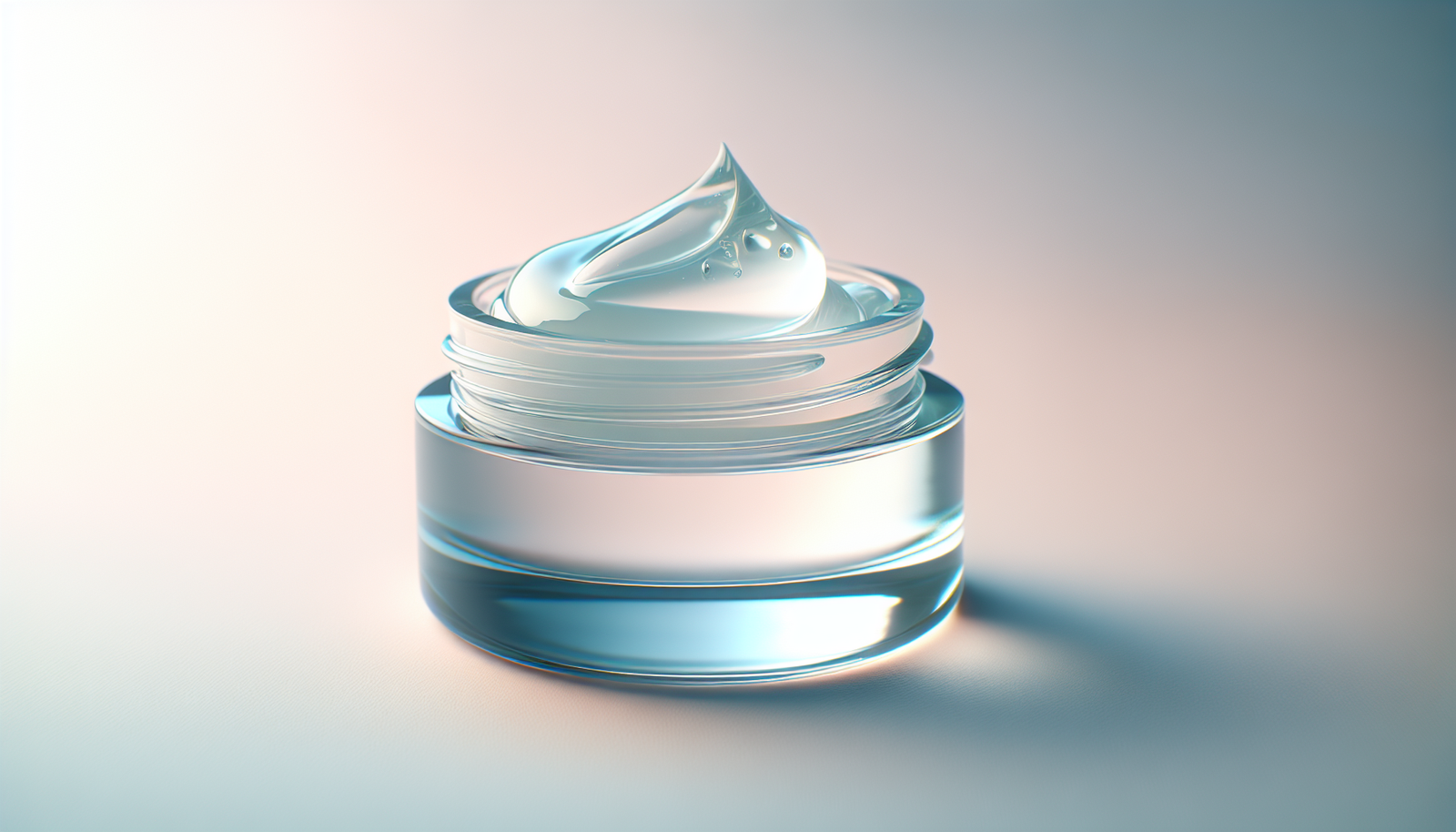
You’ll judge a cream as “nice” because of how it spreads, absorbs, and feels right after application. Propanediol reduces tack, offers a silky glide, and helps the formula feel modern rather than greasy. Dipropylene Glycol helps keep that jelly structure stable, so the product doesn’t run and remains pleasant even in warmer weather.
These attributes matter because you’re more likely to use a product consistently if it feels good — and consistent use drives results.
Interaction with preservatives, actives, and fragrance
You’ll often see glycols paired with preservatives because they help solubilize both actives and preservatives, ensuring even distribution and stable efficacy. Propanediol and Dipropylene Glycol are compatible with a wide range of ingredients, including:
- Niacinamide (stable together)
- Peptides and hydrolyzed proteins
- Most cosmetic preservatives
- Water-soluble actives and some perfume compounds
If you’re sensitive to fragrance, note that DPG is a solvent for fragrance oils; a product containing both may have stronger scent delivery. If scent bothers you, choose a fragrance-free variant.
Patch testing and practical application tips
You should always be thoughtful with new products, even when ingredients are low-risk. Use this simple routine to minimize surprises:
- Clean a small patch of skin behind your ear or on your inner forearm.
- Apply a pea-sized amount of the cream once daily for 48 hours.
- Check for redness, itching, swelling, or burning.
- If no reaction occurs, you can apply the product to larger areas of your face.
For application tips: apply the collagen jelly cream to damp skin after cleansing and toning to trap moisture. Gently press the cream into your skin rather than rubbing vigorously — this preserves the product’s film-forming benefits and helps actives absorb better.
Who should pay special attention to these ingredients?
You’ll want to be cautious if:
- You’ve had allergic reactions to glycols in the past.
- You have severe dermatitis or a compromised skin barrier; intense inflammation can increase sensitivity to otherwise mild ingredients.
- You’re evaluating products for a very young child; pediatric usage has different considerations.
For most adults, those ingredients are benign and beneficial when used in well-formulated products like Medicube Collagen Jelly Cream.
Myths and misconceptions you might encounter
You’ll read misinformation sometimes. Here are short myth-busters:
- Myth: Propanediol is the same as Propylene Glycol. Fact: They’re different molecules with different irritation potentials; Propanediol is often gentler.
- Myth: All glycols strip skin. Fact: Glycols are primarily humectants/solvents, not detergents; they hydrate rather than strip when used appropriately.
- Myth: “Natural” propanediol is always better. Fact: Bio-based origins may reduce fossil input, but environmental impact depends on the full life cycle, including farming and processing.
Regulatory status and cosmetic industry perspective
You’ll be reassured that major cosmetic regulatory bodies generally list Propanediol and Dipropylene Glycol as acceptable for topical cosmetic use when formulated appropriately. Manufacturers follow safety reviews and toxicological data to set usage levels. If you want to be highly cautious, seek products from brands that publish full ingredient sourcing and safety data or consult independent databases for ingredient safety summaries.
When to contact a dermatologist
If you experience persistent redness, burning, blisters, or spreading rash after applying a product, discontinue use and get medical advice. Immediate swelling or difficulty breathing would necessitate emergency care. For chronic concerns like repeated breakouts or prolonged irritation, a dermatologist can evaluate ingredient sensitivities or underlying skin conditions.
Alternatives and what to look for if you avoid these glycols
If you prefer to avoid Propanediol or Dipropylene Glycol, you’ll find alternatives that provide similar functionality:
- Glycerin: strong humectant, though it can feel sticky in high amounts.
- Butylene Glycol: another humectant with similar texture characteristics but a slightly different feel.
- Propanediol alternatives from different feedstocks: some brands use different fermentation sources or different glycols and make that clear on labels.
When selecting an alternative, check how it impacts texture and efficacy. Brands often tweak formulas to balance feel and performance.
What this means for your use of Medicube Collagen Jelly Cream
You’ll likely find that the Propanediol and Dipropylene Glycol in Medicube’s formula contribute positively to the cream’s lightweight, jelly texture, improve delivery of Niacinamide and hydrolyzed collagen, and make the product pleasant to apply. If you’ve been enjoying the cream without irritation, these ingredients are probably aiding your experience. If you’re sensitive, a simple patch test will help you decide whether to continue.
Questions you might still have (FAQs)
- Will Propanediol increase the absorption of harmful ingredients? It can improve delivery of water-soluble actives, but safety depends on the formulation as a whole. Manufacturers design products to be safe at intended use concentrations.
- Does Dipropylene Glycol clog pores? It’s not considered comedogenic; pore-clogging typically arises from heavier oils or waxes, not DPG.
- Can you layer other products with this cream? Yes — apply lightest, water-based products first (serums), then the jelly cream to seal in hydration. If you use heavy oils afterward, they may change how the cream sits on your skin.
Why ingredient transparency matters to you and to Curateyourskin.com
You deserve clarity about what touches your skin. By understanding functional roles, safety, and sourcing of ingredients like Propanediol and Dipropylene Glycol, you make better choices for your skin type and values. Curateyourskin.com aims to raise brand value by promoting ingredient literacy, helping you feel confident in your purchases, and highlighting products that combine performance with transparency.
Summary: the bottom-line on Propanediol and Dipropylene Glycol in Medicube Collagen Jelly Cream
You’re using a cream formulated for a pleasant texture and reliable delivery of Niacinamide and hydrolyzed collagen. Propanediol acts as a gentle humectant and solvent that improves feel and helps carry actives. Dipropylene Glycol assists with solubility, texture, and stability. Both are commonly used, generally well tolerated, and form part of why the Medicube Collagen Jelly Cream is widely liked.
If you value sustainability, check for explicit sourcing claims from the brand or Curateyourskin.com. If you have sensitive skin, perform a patch test. For any persistent reactions, contact a dermatologist.
If you want, you can send the full ingredient list from your product batch or any other product and I’ll help you parse it ingredient-by-ingredient so you know what you’re putting on your skin and why.