
Wait, Pineapple Juice on Your Face? 🍍
Can applying pineapple juice to our face really be beneficial, or is it another beauty myth we should dismiss?
Starting today, I’m launching a new series where I’ll be breaking down mask sheet ingredients one by one. I want to help you truly understand what you’re putting on your skin—beyond the fancy marketing. I’ll be analyzing whether these ingredients are actually safe, what they really do for your skin, and where else they’re being used. My goal is to make sure you have the facts so you can choose your skincare with confidence.
First up, let’s look at the Biodance Bio-Collagen Real Deep Mask. I’ll be focusing on its pineapple-derived ingredients to see what they do and which other products use them. Let’s get started!
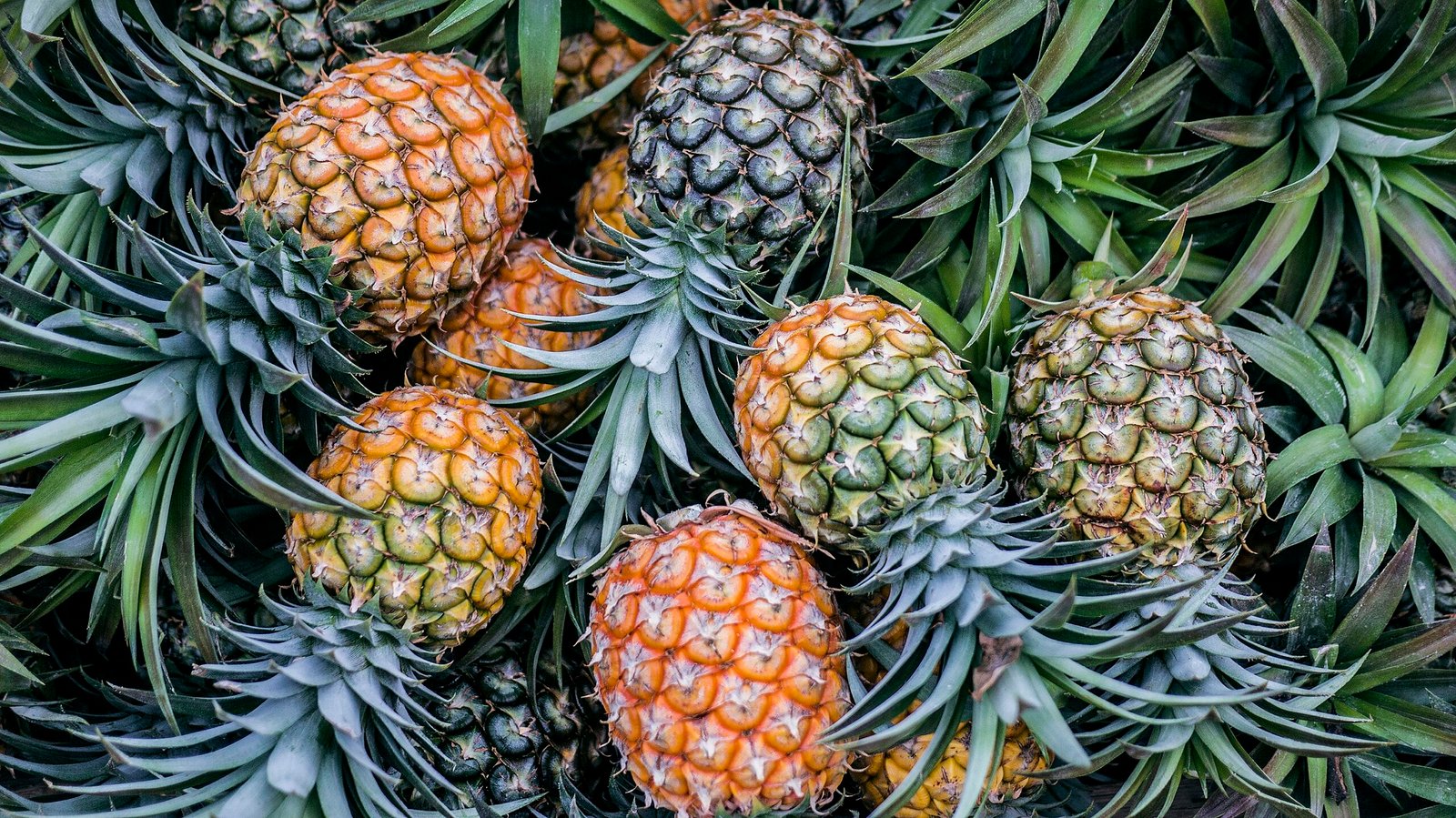
Wait, Pineapple Juice on Your Face? 🍍 Here’s Why “Ananas Sativus” is the Skincare Hero You Didn’t Know You Needed.
We will examine the role of Ananas Sativus (pineapple) fruit water in skincare, clarifying what it is, what it contains, how it works on skin, and how to use it safely and effectively. We will also compare pineapple-derived actives with other botanical ingredients and provide practical guidance for formulation choices and at-home application.
What is Ananas Sativus (Pineapple) Fruit Water?
We define Ananas Sativus fruit water as the aqueous extract or distilled hydrosol derived from pineapple fruit, distinct from raw juice and concentrated enzyme extracts. Fruit water is typically a milder, water-based ingredient that captures soluble vitamins, organic acids, and some enzymes, and is often used in toners, mists, and cosmetic formulations for its functional and sensory properties.
This section clarifies terminology so we can discuss benefits and risks precisely.
Botanical and nomenclature note
We use the common name pineapple and refer to the fruit generically as Ananas (the user-supplied name Ananas Sativus), while noting that commercial and academic literature most frequently uses Ananas comosus. Regardless of nomenclature, the biochemical profile relevant to skincare — notably bromelain, vitamin C, and organic acids — is consistent across cultivated pineapple varieties.
Understanding the precise raw material helps when reading ingredient panels and product claims.
Key active components of pineapple fruit water
Pineapple fruit water contains a mix of biologically active compounds that can influence skin physiology. We will summarize the primary components and their skin-relevant actions.
- Bromelain: a proteolytic enzyme complex that can break down proteins and act as an exfoliant or debridement agent.
- Vitamin C (ascorbic acid and derivatives): an antioxidant important for brightening and promoting collagen synthesis.
- Citric and malic acids: alpha-hydroxy acids (AHAs) that provide mild chemical exfoliation and pH modulation.
- Manganese and trace minerals: cofactors for antioxidant enzymes and metabolic processes.
- Sugars and polysaccharides: humectant properties that attract and retain moisture.
- Phenolic compounds and flavonoids: antioxidant and anti-inflammatory activity.
We will look at each component in more detail to connect mechanisms with visible effects and safety considerations.
Bromelain: natural enzymatic exfoliant
Bromelain is a mixture of proteases present in pineapple stems and fruit. When applied topically, it can digest keratin and dead skin cells, providing gentle enzymatic exfoliation and potentially improving texture and clarity.
We must emphasize controlled use because enzymatic activity varies with concentration, pH, and exposure time, and excessive activity can cause irritation or disruption of the barrier.
Vitamin C and antioxidants
Pineapple provides ascorbic acid and other antioxidants that can help neutralize free radicals and support collagen synthesis. These constituents contribute to brightening effects and protection against oxidative stress.
The stability of vitamin C in aqueous fruit water is limited, and its activity depends on formulation pH, antioxidant pairing, and packaging.
Organic acids: citric and malic acids
Citric and malic acids provide mild AHA-based exfoliation and can lower formulation pH. They assist in desquamation and can enhance cellular turnover for smoother skin.
We must consider cumulative irritancy when combining pineapple-derived acids with other exfoliating actives.
How pineapple fruit water affects the skin — mechanisms and outcomes
We will connect the biochemical properties to practical skin effects, explaining why pineapple-containing formulations may deliver measurable changes in texture, tone, and inflammation.
- Exfoliation and resurfacing: Bromelain and mild AHAs loosen corneocyte cohesion and aid removal of dead skin, improving texture and radiance.
- Brightening: Vitamin C and exfoliation reduce visible hyperpigmentation by supporting melanin regulation and turnover.
- Anti-inflammatory action: Some phenolics and bromelain demonstrate anti-inflammatory properties, which can help reduce redness and swelling when used appropriately.
- Hydration and humectancy: Natural sugars and polysaccharides in fruit water attract moisture and contribute to skin feel.
- Microbiome and wound care considerations: Bromelain has been evaluated for debridement and may alter microbial adherence; however, unpreserved fruit water can introduce microbes, posing infection risk if applied to compromised skin.
We will quantify the strength of evidence for each claimed outcome to help set realistic expectations.
Evidence strength summary
- Exfoliation: moderate — in vitro and small clinical studies demonstrate enzymatic and AHA-driven exfoliation.
- Brightening: moderate to low — benefits arise mainly from exfoliation and supporting vitamin C, but concentration and stability matter.
- Anti-inflammatory: low to moderate — observed in some studies but dependent on formulation.
- Hydration: low — humectant effect is modest relative to dedicated humectants like glycerin or hyaluronic acid.
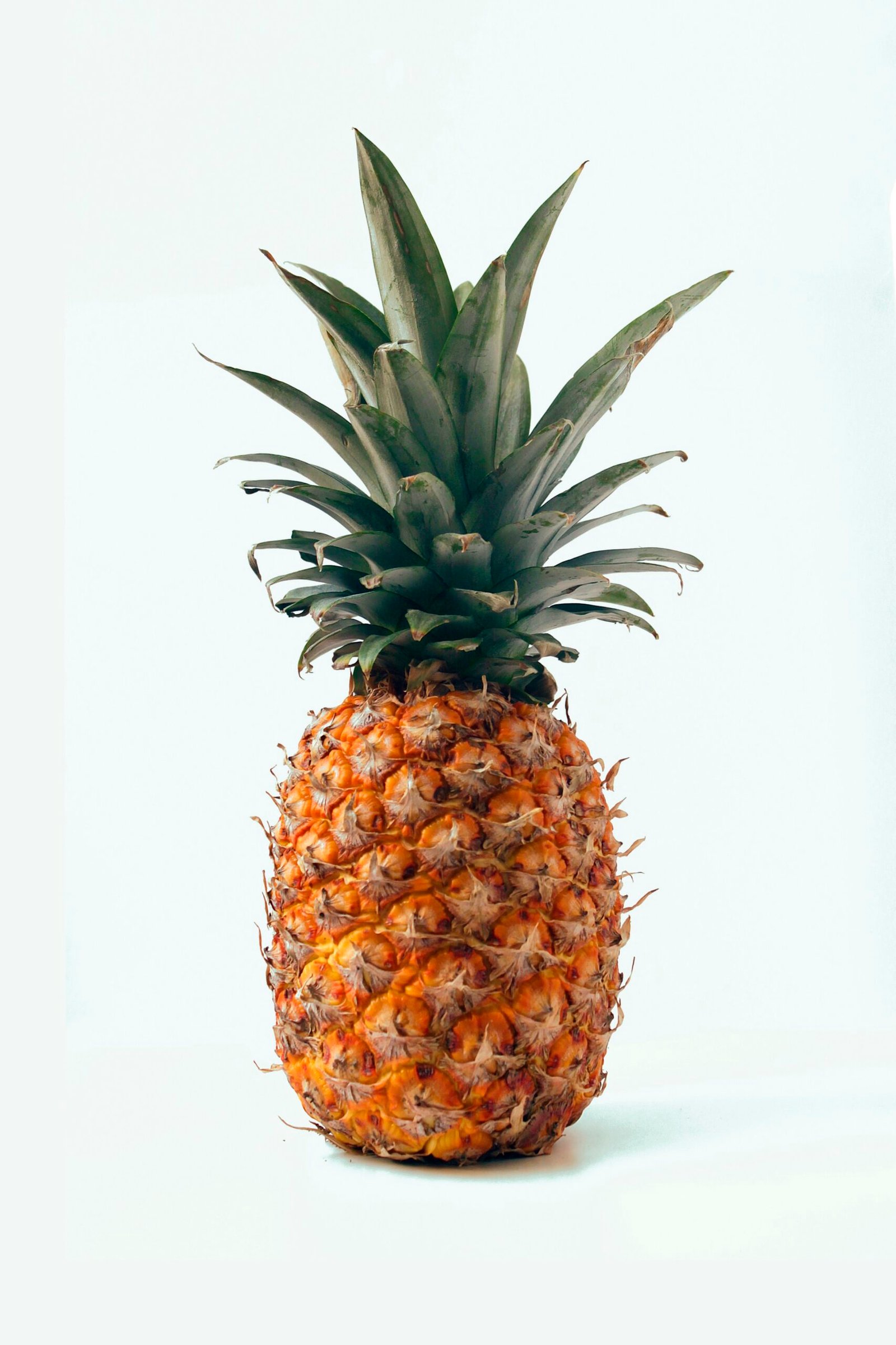
Differences between pineapple fruit water, raw juice, and enzyme concentrates
Many consumers conflate “pineapple juice” with cosmetic-grade fruit water or enzyme extracts. We will delineate the differences so readers can choose appropriate products.
| Form | Typical composition | Typical use in skincare | Pros | Cons |
|---|---|---|---|---|
| Raw pineapple juice | High sugar, vitamins, active bromelain; unpreserved, variable pH | Kitchen experiments, immediate DIY use | High enzyme content, natural | High microbial risk, unstable, highly irritating |
| Pineapple fruit water / hydrosol | Diluted extract; retains water-soluble vitamins, mild acids, low enzyme activity | Toners, mists, preps, commercial formulations | Gentler, easier to preserve, suitable for leave-on use | Variable activity, limited stability of vitamin C |
| Bromelain concentrate / enzyme extract | High proteolytic activity; purified enzyme fractions | Professional peels, controlled exfoliation products | Predictable enzymatic effect, controlled dosing | Higher irritation risk if misused, requires formulation expertise |
We recommend favoring professionally formulated pineapple fruit water or standardized enzyme products rather than raw juice for safety and stability.
Benefits by skin concern
We will map how pineapple-derived ingredients may address common concerns, indicating typical outcomes and caveats.
Acne and oily skin
Pineapple’s enzymatic and mild AHA exfoliation can help remove dead skin and comedonal material, potentially improving lesion count when used appropriately. Anti-inflammatory properties may help reduce erythema associated with inflammatory lesions.
We caution that irritation from enzymatic overexposure or acid combinations can exacerbate acne in sensitive individuals. Also, sugar content in raw juice can promote microbial growth if not preserved.
Hyperpigmentation and uneven tone
Regular, controlled exfoliation increases turnover, and presence of vitamin C supports collagen synthesis and melanin modulation, making pineapple-derived products potentially useful as part of a brightening regimen.
We underscore that results are incremental and require consistent use within a well-formulated product; relying on unstandardized DIY preparations is unlikely to yield reliable improvement.
Dullness and texture irregularities
Enzymatic exfoliation and AHAs from pineapple can restore radiance and soften texture by removing accumulated surface cells, revealing fresher skin.
We note that professional exfoliation or controlled at-home treatments give more predictable results than ad hoc raw juice application.
Inflammation and sensitivity
Bromelain has documented anti-inflammatory effects in certain contexts, but topical application can provoke contact irritation or allergic reactions in susceptible individuals. For inflammatory dermatologic conditions such as rosacea or atopic dermatitis, we recommend caution and clinical oversight.
Safety, side effects, and contraindications
We will outline known and potential adverse reactions, safe-use practices, and when to avoid pineapple-containing topical applications.
- Irritation and contact dermatitis: enzymatic activity and acids can cause stinging, burning, or redness, particularly in sensitive or barrier-impaired skin.
- Allergic reactions: individuals allergic to pineapple (oral allergy syndrome or bromelain hypersensitivity) may experience localized or systemic allergic responses.
- Photosensitivity: AHAs can increase photosensitivity; combining pineapple-derived acids with sun exposure without photoprotection can raise risk for UV-related damage.
- Microbial contamination: DIY pineapple juice lacks preservatives and supports microbial growth, which can cause infection or spoilage.
- Interaction with other actives: combining with retinoids, benzoyl peroxide, other AHAs/BHAs, or physical exfoliants may increase irritation risk; sequencing and interval management are crucial.
We recommend patch testing, gradual introduction, and use of sunscreen when incorporating pineapple-derived exfoliants into routines.

Comparing pineapple fruit water to other botanical exfoliants
We will provide a concise table comparing pineapple with other popular enzymatic or acidic botanicals to inform product selection.
| Ingredient | Primary actives | Typical strength | Best application |
|---|---|---|---|
| Pineapple (Ananas) | Bromelain, citric acid, vitamin C | Mild–moderate | Gentle enzymatic peel; brightening toners |
| Papaya | Papain enzyme | Mild–moderate | Exfoliating masks, spot treatments |
| Pumpkin | AHAs, enzymes, carotenoids | Mild | Seasonal peels, nutrient-rich masks |
| Apple cider | Malic acid (AHA) | Mild | Toners, gentle chemical exfoliation |
| Green tea | Polyphenols, EGCG | Non-exfoliating | Antioxidant serums, calming mists |
Each botanical has distinct mechanisms; pineapple is valuable for combined enzymatic and AHA effects plus vitamin C content.
Clinical contexts and professional use
We will clarify when professional supervision is advisable and what practitioners should consider.
- Professional peels and in-office enzyme treatments can provide controlled resurfacing using standardized bromelain preparations.
- Patients with active infections, extensive eczema, open wounds, or severe rosacea should avoid enzymatic peels without medical clearance.
- Practitioners must consider cumulative exfoliation load when combining in-office procedures and home-use actives.
We recommend communication between patients and clinicians regarding all topical products to avoid unintended interactions.
Myths and misconceptions
We will address common misunderstandings so that use is evidence-informed.
- Myth: Fresh pineapple juice is superior to formulated products. Reality: Fresh juice may have higher immediate enzyme content but poses microbial and irritancy risks; formulated products provide stability and safety.
- Myth: Natural equals safe. Reality: Natural enzymes and acids can be potent irritants and allergens; natural origin does not guarantee gentleness.
- Myth: More exposure yields better results. Reality: Overexposure increases risk of irritation, barrier damage, and post-inflammatory hyperpigmentation.
We should balance enthusiasm for botanical actives with respect for formulation science and dermatologic safety.
Practical shopping and labeling tips
We will provide pragmatic guidance for choosing products containing pineapple fruit water.
- Look for standardized extracts or ingredient specifications (e.g., bromelain activity units).
- Check pH and combined actives to anticipate irritation potential.
- Prefer products with stability data and preservatives appropriate for aqueous botanicals.
- Seek products that disclose concentration ranges or clinical testing results for claims like “brightening” or “exfoliating.”
Transparent labeling and third-party testing are markers of reputable products.
Research landscape and unanswered questions
We will summarize current evidence and indicate areas where more research is needed.
- Existing research supports enzymatic and AHA-driven exfoliation in vitro and in small clinical trials, but large-scale, randomized studies comparing pineapple-derived products with other exfoliants are limited.
- Long-term safety data for frequent, unstandardized use of pineapple fruit water are lacking.
- Optimal dosing, contact time, and combination regimens with other actives require further clinical evaluation.
We advise caution in extrapolating anecdotal benefits without controlled, quality evidence.
Final considerations
We conclude that Ananas Sativus (pineapple) fruit water offers a compelling mix of enzymatic exfoliation, mild AHA activity, antioxidant support, and humectant benefits when properly formulated and used. We emphasize that safety, standardization, and sun protection are essential to realize positive outcomes and avoid adverse effects.
If we decide to include pineapple-derived products in our routine, we will prioritize clinically formulated options, practice patch testing, and use them as part of a balanced skincare program that includes hydration and photoprotection.
Other products that include this ingredient
Today, we are conducting an analysis of the pineapple-derived ingredients featured in the Biodance Bio-Collagen Real Deep Mask. The objective is to identify other products on the market that incorporate these same active compounds.
- Biodance Vita Serum
- Biodance Radiant Vita Niacinamide Real Deep Mask
- Biodance Vita Niacinamide Gel Toner Pads
- Essence Hello, Good Stuff!
- Essence Hello, Good Stuff! Face Serum
- iWhite Korea Aqua Moisturizer Glow Concentrated Brightening
- Caolion Magic Black Powder Foam Cleanser
- iwhite Glow Up Toner Essence
- DewGlow Vitamin C Mask Over Night Hydrogel Mask
- May Island 7 Days Secret Vita Plus-10 Cream
- iwhite Aqua Glow Moisturizer
- iWhite Korea Aqua Moisturizer Glow Berry Complex
- Maxclinic Vita-10 Vital Ampoule
- The orchid skin ORCHID UV Sun Cream (Yellow) SPF 50 + Pa +++