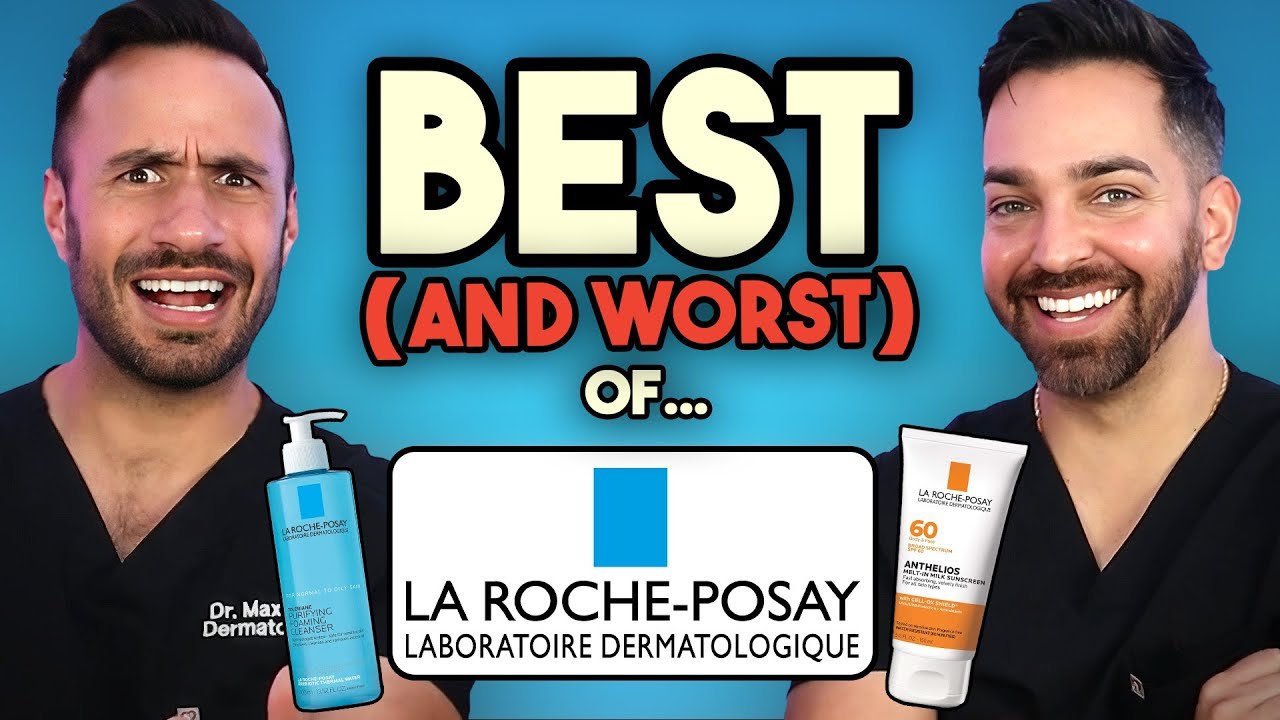
Join us for a concise analysis of La Roche-Posay products that inspire both strong praise and pointed criticism. This article summarizes a Doctorly review video and outlines moisturizers, cleansers, sunscreens, active ingredients, the items labeled “worst,” and a final wrap-up to help readers navigate the full discussion.
Through careful appraisal, join us in highlighting standout formulations worth recommending and flagging specific products or ingredients that merit caution. Timestamps and topic headings from the original video are referenced so readers can quickly find the segments on moisturizers, cleansers, sunscreens, active ingredients, and the final verdict.
Love/Hate Framework and Review Criteria
Definition of “love” in the context of doctor-reviewed skincare
We define “love” as a product or ingredient that demonstrates a strong balance of clinical plausibility, real-world tolerability, and meaningful benefit for common dermatologic concerns. In our review context, loving a product means it consistently performs across multiple axes: it has a mechanism of action supported by ingredient science or clinical data, it is well tolerated by diverse skin types in practice, and it delivers perceptible improvements that justify use and cost.
Definition of “hate” and how it differs from “dislike”
We use “hate” to flag products that we consider actively problematic for a meaningful segment of users rather than merely unexciting. Hate implies repeated clinical or user reports of adverse effects, systemic formulation flaws (for example, frequent pilling or incompatibility with makeup), or marketing that significantly overpromises compared with likely clinical benefits. “Dislike” is reserved for products that are simply underwhelming or cosmetically unpleasant but not harmful.
Clinical and practical criteria used by Doctorly (tolerability, efficacy, evidence)
We evaluate products using a three-part framework. Tolerability covers irritant and allergic potential, comedogenicity, and how formulations interact with barrier function. Efficacy assesses the likelihood and magnitude of benefit given active ingredients and their concentrations, as well as outcome data where available. Evidence encompasses the quality and relevance of published studies, mechanistic ingredient science, and our aggregated clinical experience. We weight tolerability heavily because a tolerated product is the only one patients will use consistently.
Sources of evidence: published studies, ingredient science, clinical experience, viewer feedback
We synthesize data from peer-reviewed studies, established ingredient pharmacology (for example, known actions of niacinamide or salicylic acid), our hands-on clinical experience treating diverse patients, and organized viewer or patient feedback to capture real-world patterns. No single source is definitive; we triangulate among laboratory evidence, randomized trials when available, and broad clinical signals that emerge from practice and community reports.
Skin types and conditions considered when judging products
We consider a range of skin types and conditions including very sensitive skin, atopic dermatitis/eczema-prone skin, very dry skin, oily and acne-prone skin, combination skin, rosacea-prone skin, and darker skin tones where issues like visible white cast are relevant. We explicitly consider age-related dehydration and barrier compromise as distinct from inflammatory or microbiome-driven conditions, because product suitability often differs by underlying pathophysiology.
Disclaimer about educational intent and recommendation to consult a physician
We provide this review for educational purposes and to summarize clinical perspectives; it is not intended to diagnose or replace individualized medical advice. We strongly recommend consulting a qualified physician or dermatologist for persistent, severe, or unclear skin concerns and for personalized therapy decisions. Patch testing a new product and introducing actives one at a time remain best practices.
Moisturizers We Love
Toleriane Ultra and why it rates highly for extreme sensitivity
We rate Toleriane Ultra highly for patients with extreme sensitivity because its formulation is minimalist, fragrance-free, and focused on barrier support rather than unnecessary actives. The texture is lightweight yet emollient, which reduces the risk of irritation from rubbing or occlusion, and it often contains soothing ingredients that mitigate inflammatory responses. Clinically, we observe rapid symptomatic relief in patients experiencing stinging or burning sensations after barrier disruption.
Lipikar Baume AP+ strengths for very dry and eczema-prone skin
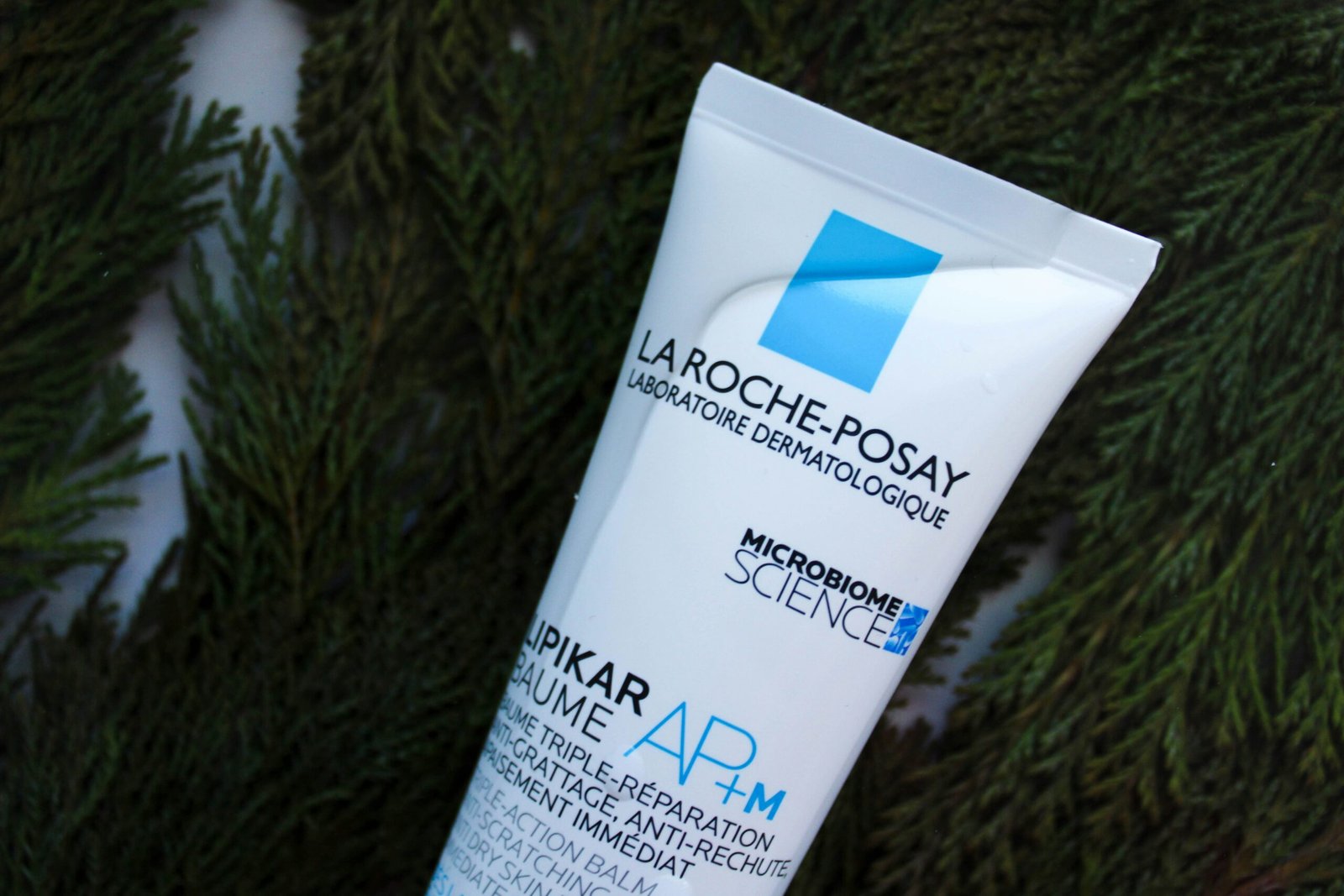
We value Lipikar Baume AP+ for very dry and eczema-prone skin because it combines concentrated emollients, niacinamide, and prebiotic-like agents that support barrier repair and may reduce flare frequency. Its richer, balm-like texture provides prolonged occlusion and humectancy, which benefits skin with transepidermal water loss. In practice, we see improved hydration metrics and reduced reliance on intermittent topical steroids when patients adhere to this type of regimen.
Cicaplast Baume B5 benefits for barrier repair and multi-use applications
We appreciate Cicaplast Baume B5 for its barrier-repair focus and multi-use versatility. Containing panthenol (pro-vitamin B5) and a blend of occlusive and soothing agents, it supports re-epithelialization and can be applied to localized irritated areas, chafing, or post-procedural zones. Its relatively neutral formulation makes it useful as both a daily restorative layer and a spot treatment, which simplifies regimens for patients who need a single reliable product.
Key moisturizing ingredients that perform (ceramides, glycerin, humectants)
We prioritize moisturizers with ceramides, glycerin, and effective humectants because these ingredients address the core dysfunctions of dry and sensitive skin: lipid deficiency and water loss. Ceramides replenish intercellular lipids, glycerin draws and retains water within the stratum corneum, and balanced humectant blends (including low- and high-molecular-weight hyaluronic acid when used appropriately) provide immediate and durable hydration. Formulations that combine these elements with noncomedogenic emollients tend to deliver the best outcomes.
Texture and cosmetic elegance that improve adherence to use
We emphasize texture and cosmetic elegance because we know adherence is driven by user experience. Lightweight, non-greasy formulations that absorb cleanly increase the likelihood of consistent application, especially when used under sunscreen and makeup. Conversely, heavy or tacky textures can reduce compliance even if they are technically effective, so we consider feel and finish integral to a product’s clinical value.
Moisturizers We Hate or Find Disappointing
Common complaints: greasiness, pilling, sticky films that interfere with makeup
We frequently hear complaints about greasiness, pilling, and sticky films that interfere with makeup. Products that leave a residual film can trap powder or create uneven application, prompting users to skip moisturization or layer incorrectly. These tactile failures matter because they directly reduce long-term adherence and thus therapeutic effect.
Formulations that under-deliver hydration relative to price
We are disappointed by products that command premium prices but deliver little measurable hydration or barrier benefit. When active concentrations are low, or humectant and lipid content are insufficient, the product becomes a cosmetic rather than a therapeutic product—acceptable for some users but unjustifiable when marketed as clinical-grade.
Products that clog pores or exacerbate acne-prone skin
We are critical of moisturizers that are formulated so occlusively or with heavy emollients that they clog pores in acne-prone individuals. Even brands positioned for sensitive skin can include ingredients that are too occlusive for oily skin types, which leads to breakouts and inflammation. We favor noncomedogenic formulations for patients with acne history.
Mismatch between marketing claims and clinical performance
We call out mismatches between marketing claims and plausible clinical performance. Bold claims about long-term remodeling, dramatic reduction in pigment, or anti-aging effects without clear active concentrations or supporting data are problematic. We expect marketing to be tempered by ingredient transparency.
Which patient profiles are most likely to dislike these moisturizers
We find that patients with oily or acne-prone skin, those who wear makeup daily, and individuals sensitive to heavy occlusives are most likely to dislike the disappointing moisturizers. Similarly, cost-conscious patients who expect clinical-level results will be dissatisfied by underperforming premium products.
Cleansers We Love
Effaclar Purifying Foaming Gel strengths for oily, acne-prone skin
We recommend Effaclar Purifying Foaming Gel for oily, acne-prone skin due to its targeted surfactant system that removes excess sebum and surface debris without unnecessary harshness. Its relatively pH-balanced formulation and inclusion of gentle cleansing agents help reduce pore-clogging material while minimizing disruption to the barrier when used appropriately.
Toleriane Hydrating and other gentle cleansers for sensitive/dry skin
We endorse Toleriane Hydrating and similar gentle syndet cleansers for sensitive or dry skin because they clean without stripping. These formulas typically include humectants and have mild surfactants that preserve essential lipids and reduce post-wash tightness, which is crucial for maintaining barrier function in already-compromised skin.
Balance between effective cleansing and barrier preservation
We emphasize the balance between effective cleansing and barrier preservation. Effective cleansing removes excess oil, grime, and sunscreen but should not remove essential lipids and proteins from the stratum corneum. This balance is achieved by choosing appropriate surfactants, pH, and supporting humectants.
How formulations remove oil/makeup without excessive stripping
We explain that formulations designed to remove oil and makeup often combine gentle emulsifying surfactants with solubilizers that lift cosmetics without high-foaming anionic soaps. Micellar technology, oil cleansers followed by gentle syndet washes, or surfactant blends that avoid harsh sulfates are strategies that remove products efficiently while sparing the barrier.
Practical tips for using cleansers to minimize irritation
We advise practical steps to minimize irritation: use lukewarm rather than hot water, limit mechanical friction, shorten contact time for actives, and avoid double-washing with harsh agents. When removing heavy makeup or sunscreen, we recommend an oil or balm first, followed by a gentle rinse-off cleanser, and to pat the skin dry rather than rubbing.
Cleansers We Hate or Consider Problematic
Formulations that over-strip the skin due to harsh surfactants
We dislike formulations that over-strip the skin because they lead to barrier compromise, rebound sebum production, and increased sensitivity. Cleansers dominated by harsh anionic surfactants can induce dryness, irritation, and susceptibility to dermatitis or rosacea flares.
Products that leave residue or require repeated washing
We critique cleansers that leave residue, forcing repeated washing, because repeated cleansing perpetuates barrier damage. Residual film can also alter product interactions later in the regimen, leading to pilling or reduced sunscreen efficacy.
Cleansers that cause stinging in rosacea or sensitive patients
We flag cleansers that commonly produce stinging or burning in rosacea or sensitive patients. Ingredients such as denatured alcohol or certain fragrances are frequent culprits. In these populations, even mild surfactants can produce symptoms if the formulation lacks soothing and barrier-supporting components.
Texture issues that increase mechanical irritation during cleansing
We note texture issues—gritty scrubs, aggressive exfoliating beads, or high-friction foams—that increase mechanical irritation during cleansing. Physical exfoliation can be appropriate for some skin types but is often overused and poorly tolerated by compromised barriers, leading to inflammation.
Red flags in packaging or labeling that indicate potential problems
We identify red flags such as non-transparent ingredient lists, undisclosed fragrance, or claims that a cleanser is suitable for “all skin types” without qualifiers. Pump systems that trap air and contaminate product or large jars that encourage cross-contamination are practical packaging concerns we advise avoiding.
Sunscreens We Love
Anthelios fluid/melt-in formulas for cosmetic elegance and broad-spectrum protection
We favor Anthelios fluid and melt-in chemical formulas for their cosmetic elegance and reliable broad-spectrum protection. These textures often layer well under makeup, feel lightweight, and have been engineered for photostability. Their ease of use supports daily adherence, which is the single most important factor for photoprotection.
Anthelios mineral options for sensitive and reactive skin
We also value Anthelios mineral options for patients with sensitive or reactive skin who prefer zinc oxide or titanium dioxide. Well-formulated mineral sunscreens in this line minimize irritation while offering immediate protection, and the brand’s attention to minimizing white cast in certain formulas helps broaden acceptability.
Importance of broad-spectrum coverage and photostability
We stress that broad-spectrum coverage and photostability are non-negotiable. UVB and UVA protection must be provided simultaneously, and filters should resist breakdown on sun exposure so that the labelled SPF reflects real-world protection. Photostability also reduces the risk that degraded filters will cause irritation.
Water resistance, reapplication practicality, and daily use suitability
We consider water resistance and reapplication practicality important depending on activity: water-resistant formulations are crucial for swimming or sweating, while lightweight daily-use textures encourage frequent reapplication. Packaging that supports portable reapplication and formulas without heavy occlusives make daily use more feasible.
How pleasant texture increases consistent sunscreen use
We reiterate that pleasant texture increases consistent sunscreen usage. Lotions that feel heavy, greasy, or leave residue reduce compliance. Conversely, fluid, fast-absorbing sunscreens that don’t interfere with cosmetic routines lead to better habitual use and thus superior real-world protection.
Sunscreens We Hate or Find Limited
Mineral formulas that create a visible white cast on darker skin tones
We criticize mineral formulas that leave a visible white cast on darker skin tones because this reduces use and can contribute to health inequities in photoprotection. Formulations that do not consider pigment diversity limit their clinical utility across populations.
Pilling or incompatibility with makeup and silicones
We dislike sunscreens that pill or are incompatible with common makeup ingredients like silicones, because the interaction forces users to choose between sun protection and their cosmetic preferences. Pilling often arises from incompatible film-formers or layering sequences that are not user-friendly.
Scent or alcohol content that can sting sensitive users
We call out sunscreens containing strong scents or denatured alcohol that sting sensitive or barrier-compromised skin. While alcohol can aid texture, it must be balanced against irritation risk; fragranced products are often unnecessary and should be avoided in sensitive populations.
Perceived high price relative to refillability or size
We note that perceived high price relative to package size or absence of refillability can be a barrier to consistent use. Cost influences adherence, and sunscreen strategies should be sustainable; charging premium prices without offering value impairs long-term protection.
Situations where a different sunscreen technology may be preferable
We acknowledge situations where alternative technologies are preferable: for very oily, acne-prone patients we might favor lighter chemical filters; for immediate, water-exposed activities a water-resistant mineral blend may be best; and for those with photosensitizing medications, specific photostable filters or physical blockers may be indicated.
Active Ingredients That Impress in La Roche-Posay
Hyaluronic acid and Hyalu B5 serum performance for hydration and plumpness
We find hyaluronic acid formulations such as Hyalu B5 to be effective for immediate hydration and plumping when formulated with different molecular weight hyaluronates and supporting ingredients like panthenol. These serums can improve skin texture and reduce transient fine-line appearance by increasing stratum corneum water content, particularly when layered under a moisturizer to lock in hydration.
Niacinamide benefits for barrier, tone, and sebum regulation
We appreciate niacinamide for its multi-faceted benefits: it supports barrier lipid synthesis, reduces erythema and uneven tone, and may modestly regulate sebum production. As a well-tolerated, evidence-backed ingredient, niacinamide is a versatile addition to both emollient and lighter formulations within the brand.
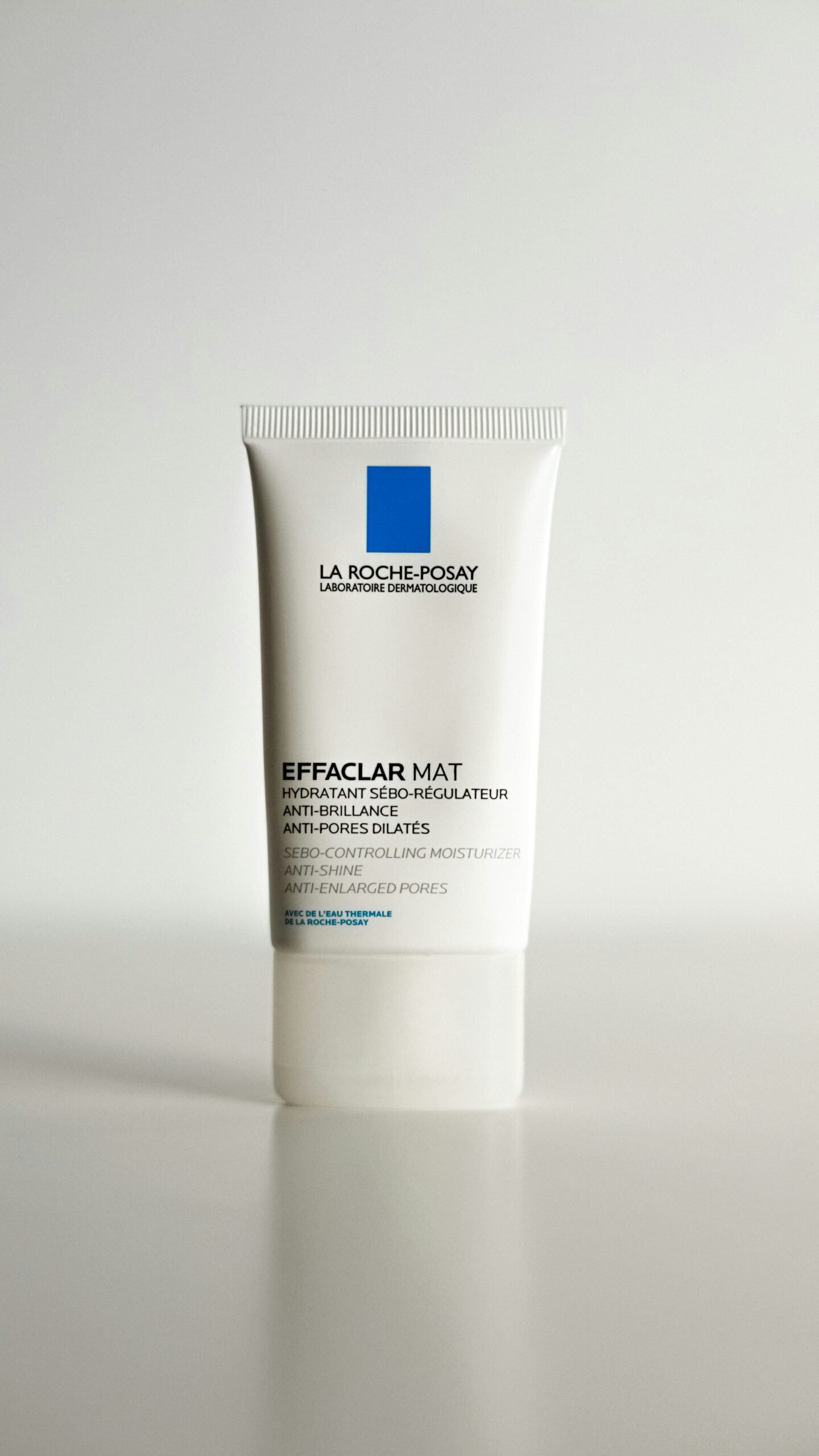
Salicylic acid and other exfoliating actives in effaclar line for acne control
We support the use of salicylic acid and other exfoliating actives in the Effaclar line for oil-control and acne-prone skin. Salicylic acid’s comedolytic and anti-inflammatory properties make it effective at reducing microcomedones and improving lesion counts when used at proper concentrations and with appropriate tolerability strategies for sensitive skin.
Thermal spring water components and soothing claims supported by tolerability data
We acknowledge that thermal spring water components in La Roche-Posay formulations contribute to tolerability claims: mineral-rich, low-irritant water sources can provide symptomatic soothing for some users. While thermal waters are not curative, tolerability data and user reports support their role as adjunct calming agents in formulations intended for sensitive skin.
Combination formulations that balance efficacy with reduced irritation
We commend combination formulations that pair active ingredients with anti-irritant agents (for example, pairing exfoliants with niacinamide or panthenol) to maintain efficacy while minimizing irritation. Thoughtful vehicle design and sequencing can allow potent actives to be used safely by a wider range of patients.
Active Ingredients That Disappoint or Are Overhyped
Vitamin C formulations with variable stability and inconsistent results
We find vitamin C formulations can disappoint because of stability challenges; ascorbic acid oxidizes rapidly if not properly formulated, leading to inconsistent efficacy. Users may expect dramatic brightening but encounter little benefit if the product lacks stabilization or sufficient concentration.
Products with potentially irritating solvents or denatured alcohol in sensitive formulas
We critique the inclusion of potentially irritating solvents or denatured alcohol in products marketed for sensitive skin. While these solvents can improve penetration or texture, they can also induce stinging, dryness, or barrier disruption in vulnerable patients, undermining the primary therapeutic goal.
Silicones that cosmetically smooth but can mask underlying issues
We point out that silicones can cosmetically smooth skin and create an immediate improvement in appearance, which can mask underlying issues rather than treat them. While useful for cosmetic finish, silicones should not be mistaken for active treatments addressing barrier or inflammatory pathology.
Concentration problems where active is present but likely sub-therapeutic
We warn about products where an active appears on the ingredient list but is probably present at sub-therapeutic levels due to position in the INCI list or small total percentage. Presence alone does not equate to efficacy; therapeutic concentration and formulation context matter.
How marketing can overpromise and what to look for on ingredient lists
We advise skepticism when marketing promises dramatic transformations absent data. Clinically, we recommend looking for clear ingredient concentrations (when provided), the relative order of ingredients, and the presence of supportive agents (stabilizers, penetration modulators, anti-irritants). Transparency and plausibility should guide trust.
Conclusion
Concise summary of products and ingredients the reviewer loved and those they criticized
We concluded that several La Roche-Posay products merit strong recommendation: Toleriane Ultra, Lipikar Baume AP+, Cicaplast Baume B5 for moisturizing and barrier repair; Effaclar Purifying Foaming Gel and Toleriane Hydrating for cleansing; Anthelios fluid and certain mineral Anthelios sunscreens for sun protection; and active ingredients such as hyaluronic acid, niacinamide, and salicylic acid when properly formulated. We criticized products that are cosmetically unpleasant, under-deliver relative to price, include unnecessarily irritating solvents or fragrances, or create white casts or pilling that reduce adherence.
Practical guidance on selecting La Roche-Posay products for different skin types and goals
We recommend selecting products with alignment to skin type: richer balms like Lipikar Baume AP+ for atopic or very dry skin, lighter noncomedogenic moisturizers for oily or acne-prone skin, gentle syndet cleansers for sensitive or dry skin, and photostable Anthelios sunscreens for daily broad-spectrum protection. For acne-prone patients, prioritize Effaclar products with salicylic acid and noncomedogenic emollients. For sensitive patients, prioritize fragrance-free, alcohol-minimized formulas.
Emphasis on trial, patch testing, and consulting a clinician for persistent issues
We emphasize the importance of patch testing new products, introducing single actives at a time, and trialing products for an adequate period to evaluate benefit. For persistent, severe, or worsening conditions, we recommend consultation with a clinician to obtain personalized management rather than relying solely on over-the-counter regimens.
Final balanced verdict: notable strengths, common pitfalls, and who benefits most
We view La Roche-Posay as a brand with notable strengths in tolerability-focused formulations, photostable sunscreen technology, and targeted actives for acne and barrier repair. Common pitfalls include occasional cosmetic missteps (pilling, white cast), formulations that include potentially irritating solvents, and the risk of overpromising by marketing. Overall, patients who value dermatologist-backed formulations—those with sensitive skin, atopic tendencies, or acne-prone skin—are most likely to benefit, provided they choose products tailored to their individual needs and follow sensible introduction and patch-testing practices.