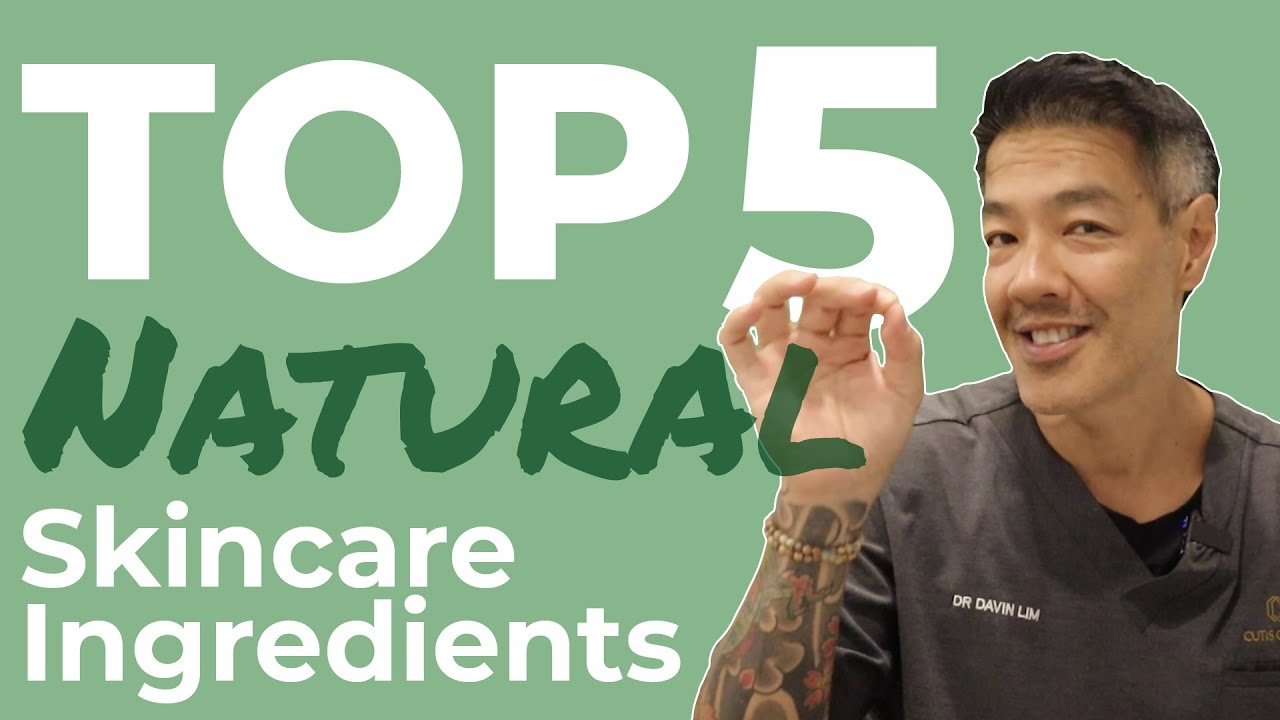
At Natural Skincare Essentials with Dr Davin Lim, the team outlines the Top 5 natural skincare ingredients and evidence-based, noninvasive approaches that prioritize lifestyle changes, gentle acids, and antioxidants before progressing to clinical interventions. Coverage highlights fruit-derived AHA peels, topical vitamin C as an antioxidant and collagen booster, arbutin and skin-friendly acids for depigmentation, and the role of prescription retinoids such as tretinoin when indicated.
The article also addresses natural acne management through dietary and lifestyle adjustments, salicylic and fruit-acid cleansers, zinc supplementation, azelaic acid and niacinamide creams, and botanical options like tea tree and green tea extract alongside sensible phototherapy. Readers are advised to consider naturopathic consultation prior to dermatologist referral for invasive treatments, and promo code 101skin provides a 10% discount on related resources.
Natural Skincare Philosophy with Dr Davin Lim
We approach natural skincare as a principled, evidence-informed progression: prioritize lifestyle, diet, and non-invasive topical measures first, reserving prescription interventions for situations that do not respond or where more rapid, powerful treatment is indicated. Our philosophy aligns with the central message of Dr Davin Lim’s video “THE Top 5 Natural Skincare Ingredients,” which emphasizes sensible, stepwise care that begins with accessible, lower-risk options and escalates only when necessary.
Core principles: prioritize lifestyle, diet, and non-invasive topical measures before prescription interventions
We place lifestyle and diet at the foundation of skin health because these factors influence systemic inflammation, hormonal balance, repair mechanisms and skin barrier function. Our first-line strategies include optimizing sleep, reducing stress, improving dietary patterns, protecting from ultraviolet (UV) exposure, and using well-formulated topical antioxidants and gentle exfoliants. Only after consistent implementation and an appropriate trial period do we consider prescription agents; this reduces unnecessary exposure to stronger therapies and allows us to assess which natural measures are effective for the individual.
Distinction between naturopathic natural options and clinical dermatology approaches
We distinguish naturopathic, natural-first strategies — which favor dietary changes, botanical actives, over-the-counter acids and light aesthetic modalities — from clinical dermatology approaches that commonly employ prescription medications, injectables and procedural interventions. Both paradigms aim for skin health, but they differ in mechanisms, expected timelines and risk profiles. Naturopathic approaches often prioritize lower-intensity, multi-factorial management and prevention, while dermatology frequently uses targeted pharmacology and procedures when disease severity or patient goals demand faster or more pronounced results.
When a natural-first approach is appropriate and when to escalate care
We recommend a natural-first approach for mild-to-moderate concerns such as early photoaging, mild acne, uneven tone and maintenance after procedures. We escalate to dermatology when there is diagnostic uncertainty, severe or scarring acne, rapidly progressive pigmentation, inflammatory skin disease that impacts quality of life, or lack of response to evidence-based natural and OTC measures after a reasonable trial. Escalation is not failure; it is appropriate risk management and collaboration to achieve optimal outcomes.
Reference to the video ‘THE Top 5 Natural Skincare Ingredients’ by Dr Davin Lim
We acknowledge Dr Davin Lim’s video “THE Top 5 Natural Skincare Ingredients” as a practical primer that consolidates natural-first strategies, highlighting ingredients like topical vitamin C, salicylic acid, AHAs, arbutin and botanical antioxidants. The video reinforces our philosophy that sensible lifestyle changes, targeted OTC actives and conservative procedures are legitimate and often sufficient starting points before prescription dermatology is considered.
Top 5 Natural Skincare Ingredients
We outline five natural-focused ingredients supported by clinical and practical experience, and we explain how to use them safely and effectively within a broader regimen.
Vitamin C: antioxidant, pigment inhibitor, and collagen enhancer — formulation and stability notes
We consider topical vitamin C a cornerstone for antioxidant protection, inhibition of melanin synthesis, and support for collagen formation. Ascorbic acid (L-ascorbic acid) at concentrations typically between 10–20% provides antioxidant benefits and pigment reduction; it is most effective at a pH below ~3.5 for penetration, but this low pH can increase irritation. Stabilized derivatives such as magnesium ascorbyl phosphate and sodium ascorbyl phosphate are more pH-tolerant and less irritating, though they may require higher concentrations to match potency. We advise using vitamin C in the morning or daytime under sunscreen to boost photoprotection, storing products away from heat and light to preserve stability, and introducing slowly to assess tolerability.
Salicylic acid (natural source: willow bark): BHA for oily, acne-prone skin — recommended OTC concentrations
We recommend salicylic acid, a beta hydroxy acid derived naturally from willow bark, for oily and acne-prone skin due to its lipophilicity and ability to penetrate sebum-filled pores. Over-the-counter formulations generally contain up to 2% salicylic acid, which is effective and well-tolerated for many individuals as cleansers, leave-on serums or spot treatments. We caution that salicylic acid can cause dryness or irritation in sensitive skin and should be integrated with moisturizers and sun protection. Higher concentrations and procedural uses should be managed by trained practitioners.
Alpha hydroxy acids (glycolic, lactic, citric, mandelic): exfoliation and resurfacing benefits
We include AHAs — glycolic, lactic, citric and mandelic acids — for their hydrophilic exfoliation and resurfacing properties. Glycolic acid (from sugarcane) is highly effective for epidermal turnover; lactic acid (from milk) offers gentler exfoliation with humectant properties; citric acid (from citrus) can help pigmentation and texture; and mandelic acid (from almonds) provides larger molecule, slower penetration that is often better tolerated. We use AHAs to improve fine lines, post-inflammatory hyperpigmentation and texture, tailoring type and concentration to skin sensitivity and goals.
Arbutin and other natural depigmenting agents: mechanism and safe use
We view arbutin as a useful natural depigmenting agent that inhibits tyrosinase, the key enzyme in melanin synthesis, thereby reducing hyperpigmentation with a favorable safety profile compared with stronger agents. We prefer glycosylated forms like alpha-arbutin for better stability and gentleness. Arbutin works well in combination with complementary agents (e.g., vitamin C, azelaic acid, niacinamide) and should be used with sun protection to prevent recurrence. Long-term use is generally safe when formulated appropriately, but we monitor response and irritation.
Green tea, ginkgo, ginseng and other botanical antioxidants: UV protection and inflammation control
We advocate incorporating botanical antioxidants — green tea polyphenols, ginkgo biloba flavonoids, ginseng saponins and other plant-derived actives — to reduce oxidative damage from UV exposure and to modulate inflammation. These botanicals often have anti-inflammatory, anti-microbial and photoprotective properties that can complement sunscreens and topical actives. While botanical extracts vary in potency and standardization, choosing well-formulated products and combining them with established actives enhances overall skin resilience.
Natural Anti-Ageing Strategies
We present a pragmatic, layered approach that combines non-invasive modalities, topical support and lifestyle pillars to address ageing while setting realistic expectations compared with procedural dermatology.
Non-invasive options: fruit peels and light energy as natural-friendly anti-ageing modalities
We consider fruit peels (AHA peels) and low-level light or energy treatments as natural-friendly anti-ageing modalities that stimulate exfoliation, collagen remodeling and pigment reduction without injectables. Fruit peels can improve tone and texture with minimal downtime in many cases, while light-based modalities (e.g., LED therapy) can support cellular repair and inflammation control. We recommend professional assessment to select appropriate energy settings and peel types for individual skin types.
Role of topical antioxidants and collagen support through diet and supplements
We emphasize topical antioxidants such as vitamin C and botanical polyphenols to neutralize free radicals, reduce photoaging and support collagen synthesis. Dietary strategies focused on adequate protein, vitamin C-rich fruits and vegetables, omega-3 fatty acids, and polyphenol-rich foods support systemic collagen production and skin repair. Supplements such as collagen peptides, vitamin C, zinc and other micronutrients can be adjunctive; we advise consulting a practitioner regarding dosing and evidence for specific products.
Lifestyle pillars for anti-ageing: sleep, stress reduction, nutrition, and sun protection
We prioritize four lifestyle pillars: sufficient restorative sleep, consistent stress management, nutritious eating patterns, and rigorous sun protection. Sleep supports repair and circadian regulation of skin processes; stress reduction lowers cortisol-driven inflammation; balanced nutrition provides substrates for dermal matrix maintenance; and sunscreen is the single most effective preventive measure against photoaging. Integrating these pillars delivers meaningful, sustainable anti-ageing benefits.
Realistic expectations and limits versus injectables and surgical dermatology
We set realistic expectations: natural and non-invasive measures can meaningfully improve texture, tone and early signs of ageing, but they have limits relative to injectables and surgery. Fillers, neuromodulators and surgical lifts provide structural and volumetric changes that topicals and peels cannot replicate. We encourage informed decision-making where patients weigh their preferences for natural approaches against the outcomes achievable with clinical interventions.
Fruit Peels and AHA Treatments
We detail types, indications, protocols and safety considerations for AHA-based fruit peels as a central natural resurfacing option.
Types of AHAs and natural sources: glycolic (sugarcane), lactic (milk), citric (fruits), mandelic (almonds)
We identify common AHAs and their botanical sources: glycolic acid from sugarcane offers high efficacy due to small molecular size; lactic acid from milk is hydrating and gentler; citric acid from citrus fruits supports antioxidant and brightening effects; and mandelic acid from almonds provides slower penetration and is often better tolerated for pigmented or reactive skin. Choice depends on the treatment goal and skin tolerance.
Indications: pigmentation, sun damage, mild wrinkles and texture improvement
We use AHA peels to treat post-inflammatory hyperpigmentation, diffuse sun damage, fine lines, surface irregularities and overall dullness. These peels are particularly suitable for those seeking improvement without significant downtime and can be combined with other topical agents as part of an integrated plan.
Typical protocols: ‘lunch time peels’, recommended frequency (every few weeks to months) and aftercare
We follow typical protocols where light peels — often termed “lunch time peels” — are performed every few weeks to months depending on peel strength and skin response. Aftercare includes gentle cleansing, barrier-repair moisturizers, avoidance of harsh scrubs, and diligent sun protection. We advise patients about transient redness, mild flaking, and the importance of sun avoidance during the healing window to reduce risk of post-inflammatory hyperpigmentation.
DIY light peels vs professional administration: benefits, risks, and signs to seek professional help
We acknowledge DIY light peels can be cost-effective for mild maintenance when using well-formulated, low-concentration AHA products, but professional administration provides precise control of concentration, neutralization and management of adverse reactions. We recommend seeking professional help for higher-concentration peels, darker skin types at risk of pigmentary complications, or any signs of excessive redness, blistering, prolonged discomfort or infection.

Natural Approaches to Acne
We present an integrated acne plan that starts with lifestyle, OTC actives and botanical supports before considering prescription therapies.
Dietary and lifestyle changes: reduce sugar and dairy, increase vegetables and protein
We advise dietary adjustments that may reduce acne-driving factors: moderating high-glycemic-load carbohydrates and, for some individuals, reducing dairy can improve acne severity. A diet rich in vegetables, lean protein, omega-3s and micronutrients supports skin health and hormonal balance. Lifestyle modifications — including adequate sleep, stress management and gentle skincare — complement dietary approaches.
Over-the-counter topical options: salicylic acid up to 2%, fruit acid washes with lactic or glycolic acid
We recommend OTC topical options such as salicylic acid (up to 2%) for pore penetration and comedolysis, and fruit acid washes containing lactic or glycolic acid for gentle exfoliation to reduce follicular plugging. These should be used consistently but conservatively to minimize barrier disruption, with moisturizers and sunscreen as standard adjuncts.
Botanical and supportive actives: tea tree oil, azelaic acid (topical), niacinamide, jojoba and rosehip oils, green tea extract
We include botanical and supportive actives: tea tree oil provides antimicrobial effects at appropriate dilutions; topical azelaic acid (10–15% OTC concentrations) offers anti-inflammatory and pigment-modulating benefits; niacinamide stabilizes barrier function and reduces inflammation; non-comedogenic oils like jojoba and rosehip can support barrier repair; and green tea extract contributes antioxidant and sebum-modulating effects. We tailor combinations to individual tolerance and acne subtype.
Supplement options: zinc dosing guidance (60 to 80 mg daily) and when to consult a practitioner
We consider oral zinc supplementation as an adjunct in acne; commonly referenced doses in some protocols range from 60 to 80 mg elemental zinc daily for limited periods. We strongly recommend consulting a practitioner before starting such doses because zinc can interact with other nutrients, cause gastrointestinal side effects, and require monitoring. A qualified clinician can advise on duration, appropriate formulation, and safety.
Phototherapy and sensible sunlight exposure as adjunctive measures
We acknowledge phototherapy and sensible sunlight exposure can have adjunctive benefits for some acne types via anti-inflammatory and sebum-modulating pathways. We caution that unprotected UV exposure carries risks for photoaging and pigmentation, so any sun exposure should be balanced with protection and professional guidance on therapeutic light modalities.
Natural Depigmenting Agents and Pigmentation Management
We outline safe, multi-mechanism strategies for pigmentation that favor gentle, cumulative improvement and monitoring.
Arbutin: mechanism, strengths, and safe use in topical formulations
We explain that arbutin inhibits tyrosinase activity, thereby reducing melanogenesis in a relatively gentle manner. Its strengths lie in safety and suitability for long-term use, especially when compared to higher-risk agents. We recommend using arbutin within stable topical formulations, combining it with sunscreen, and monitoring for improvement over weeks to months.
Complementary agents: topical Vitamin C, azelaic acid and niacinamide for multi-mechanism approaches
We support multi-mechanism approaches that combine arbutin with topical vitamin C for antioxidant and melanin synthesis inhibition, azelaic acid for anti-inflammatory and tyrosinase inhibition, and niacinamide to reduce melanosome transfer. Combining agents that act at different points in the pigmentation pathway enhances outcomes while allowing lower individual concentrations and potentially improved tolerability.
Acid exfoliation strategies to accelerate pigment removal: AHA selection and pairing
We recommend acid exfoliation strategies such as pairing AHAs (glycolic or lactic) with other depigmenting agents to accelerate removal of pigmented keratinocytes and enhance penetration of actives. Choice of AHA should factor in skin type and pigmentary risk; mandelic acid may be preferable in darker or reactive skin due to gentler action.
Monitoring progress and when prescription options may be necessary
We monitor progress with photographs, patient-reported outcomes and clinical assessment over several weeks to months. We escalate to prescription options when pigmentation is recalcitrant, deeply dermal (e.g., certain melasma patterns), symptomatic, or cosmetically and psychologically impactful. Prescription pathways may include higher-potency retinoids, topical hydroquinone (where appropriate and under supervision), and procedural approaches guided by dermatology.

Role of Antioxidants and Topical Vitamin C
We detail how antioxidants function, practical vitamin C formulation guidance, and how these actives integrate with a routine.
Antioxidant functions: UV protection, free radical neutralization and inflammation reduction
We describe antioxidants as agents that neutralize free radicals produced by UV exposure and metabolic processes, thereby reducing oxidative damage to lipids, proteins and DNA. Antioxidants also modulate inflammatory pathways and support overall skin resilience, making them central to both prevention and adjunctive therapy for aging and inflammatory conditions.
Topical Vitamin C specifics: concentrations, pH, formulation types and best application practices
We recommend topical vitamin C concentrations typically between 10–20% for L-ascorbic acid, with attention to pH for optimal absorption. For sensitive skin or to reduce irritation, derivatives such as magnesium ascorbyl phosphate are alternatives. Serums and stable formulations packaged to limit air and light exposure are preferred. Best practice is to apply vitamin C in the morning under sunscreen to augment photoprotection, while introducing it gradually to monitor for irritation.
Natural antioxidant sources to include in routine: green tea, ginkgo, ginseng and dietary sources
We encourage including botanical antioxidants topically and through diet: green tea extract, ginkgo biloba and ginseng can provide topical anti-inflammatory and antioxidant benefits, while a diet rich in fruits, vegetables, nuts and oily fish supplies systemic polyphenols, vitamins and essential fatty acids that support skin health.
Synergy with other actives and timing within a skincare routine
We advise integrating antioxidants synergistically with exfoliants and other actives: vitamin C is typically used in the morning, retinoids at night, and acids spaced to avoid excessive irritation. When combining actives, we stagger introduction, prioritize barrier repair, and observe for irritation to maintain efficacy and tolerability.
Integration with Conventional Dermatology
We outline when to seek specialist input, common clinical treatments, and how we collaborate across providers to optimize care.
When to consult a dermatologist versus starting with naturopathic or dermal therapies
We suggest consulting a dermatologist for severe, scarring, or rapidly progressive conditions; diagnostic uncertainty; failure of appropriate natural and OTC measures; or when prescription-strength pharmacology or procedures are needed. We recommend starting with naturopathic or dermal therapies for mild-to-moderate concerns, with a clear plan for reassessment and escalation if improvement is insufficient.
Common clinical treatments and why dermatologists use them: prescription retinoids, hydroquinone, corticosteroids, injectables and chemotherapy agents for specific conditions
We recognize dermatologists use prescription retinoids for potent anti-acne and anti-aging effects, hydroquinone for persistent hyperpigmentation under supervision, topical and systemic corticosteroids for inflammatory diseases, injectables (neuromodulators and fillers) for structural rejuvenation, and specific systemic therapies, including chemotherapeutic agents, when treating severe dermatoses or cutaneous manifestations of systemic disease. These tools are chosen for potency, proven efficacy and controlled safety when used by specialists.
Collaborative care model: involving dermal therapists, clinical nurses and naturopaths
We support a collaborative care model that involves dermal therapists, clinical nurses and naturopaths working alongside dermatologists. Dermal therapists and clinical nurses can offer professional-grade peels, light therapies and supervised protocols, while naturopaths contribute dietary and supplement management. Coordinated care improves continuity, avoids conflicting treatments, and places patient preferences at the center.
Practical referral pathway: consider dermal therapists or clinical nurses at clinics such as @cutis_dermatology before stepping up to dermatology
We advise patients to consider starting with dermal therapists or clinical nurses for assessment and conservative procedures — for example, at clinics such as @cutis_dermatology — before escalating to dermatology when necessary. This stepwise pathway allows less invasive options to be trialed under professional supervision and ensures appropriate documentation and referral if prescription-level care becomes indicated.

Prescription Retinoids and When to Use Them
We explain the role of prescription retinoids, compare them to OTC retinol, and provide practical guidance for introduction and coordination with natural regimens.
Tretinoin benefits for acne, collagen stimulation and pigmentation control
We acknowledge tretinoin as a powerful prescription retinoid that accelerates cell turnover, reduces comedones, stimulates collagen production, and improves hyperpigmentation. For many patients with moderate-to-severe acne, photoaging or persistent pigmentary changes, tretinoin delivers results more reliably and predictably than OTC alternatives.
Comparing prescription retinoids to natural / OTC retinol alternatives: potency, side effects, and timelines
We note that prescription retinoids (tretinoin, tazarotene) are more potent and act more quickly than OTC retinol and retinaldehyde, which require conversion by the skin and produce slower, sometimes milder benefits. Stronger agents carry greater risk of irritation, erythema and peeling; however, with appropriate introduction and support, they are highly effective. OTC retinoids can be suitable for prevention and gentler maintenance or for those who cannot tolerate prescription products.
Managing irritation: gradual introduction, moisturizers, and nighttime-only use
We manage retinoid-related irritation by introducing the product gradually (e.g., twice weekly to start), using barrier-repair moisturizers, applying at night only, buffering with moisturizer if needed, and providing clear expectation-setting about initial flaking or redness. Patient education and follow-up are key to optimizing adherence and minimizing adverse effects.
When to escalate to prescription retinoids and how to coordinate with natural regimens
We escalate to prescription retinoids when acne or photoaging is inadequately controlled by lifestyle, OTC actives and conservative measures, or when faster or more complete results are clinically indicated. We coordinate by continuing compatible natural measures (sun protection, antioxidants, gentle AHA use as tolerated) and by spacing potentially irritating actives to reduce overlapping irritation.
Conclusion
We summarize the core messages and provide practical next steps to implement a safe, evidence-informed natural skincare pathway.
Key takeaways: prioritize lifestyle, sensible natural actives, and stepwise escalation to prescriptions when needed
We emphasize prioritizing sleep, nutrition, stress management and sun protection; using sensible natural actives such as topical vitamin C, salicylic acid, AHAs, arbutin and botanical antioxidants; and following a stepwise escalation pathway that reserves prescription dermatology for cases that require greater potency or rapid control.
Practical next steps: implement routine templates, consider dermal therapists or naturopaths first, consult dermatology as a later option
We recommend concrete next steps: create a simple routine (gentle cleanser, targeted active in the morning such as vitamin C, sunscreen; evening cleanse and targeted treatment such as salicylic acid or retinoid substitute, plus moisturizer), trial dietary and lifestyle changes for several weeks, consult dermal therapists or naturopaths for supervised peels or phototherapy, and consult dermatology if progress stalls or disease severity warrants escalation.
Encouragement to balance evidence-based natural strategies with safety and professional guidance
We encourage balancing enthusiasm for natural strategies with evidence, realistic expectations and safety. By combining lifestyle optimization, thoughtfully chosen natural and OTC actives, professional-grade non-invasive therapies and clear referral pathways to dermatology when needed, we can achieve meaningful and sustainable skin health outcomes while minimizing risk.