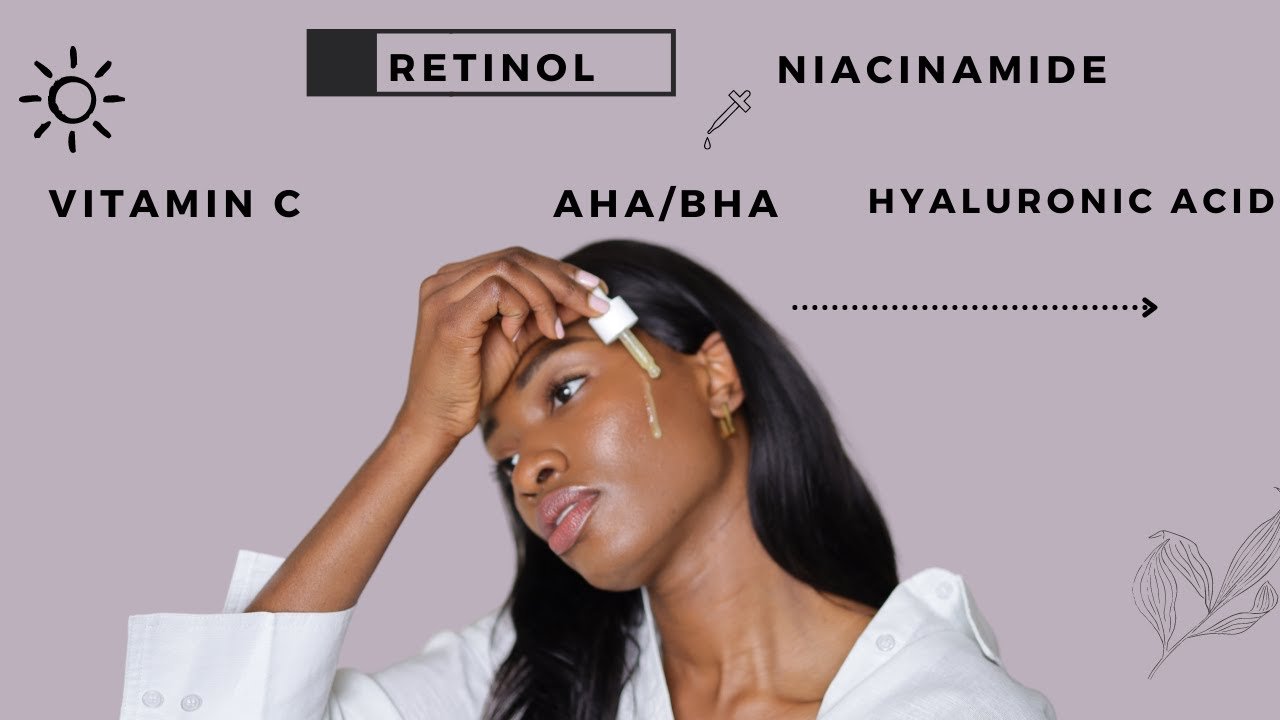
Niacinamide Skincare Essentials Explained provides a concise, science-based overview of niacinamide within the broader landscape of popular actives and common skin concerns. Let us clarify how each ingredient — including retinol, AHA/BHA, vitamin C, and hyaluronic acid — targets issues such as hyperpigmentation, dehydration, and visible aging while addressing compatibility and safety.
The article summarizes video highlights from April Basi, outlines key functions and typical formulation concentrations, and offers practical guidance for assembling a beginner-friendly routine. Let us also identify when to seek dermatologist input and which ingredient pairings to avoid to minimize irritation and maximize efficacy.
What is Niacinamide?
We define niacinamide as the amide form of vitamin B3, also known as nicotinamide. Chemically, it is a small, water-soluble molecule derived from the B vitamin family that serves as a precursor to important cofactors in cellular metabolism. In topical and oral contexts, niacinamide is recognized for its biological roles rather than as an exotic cosmetic ingredient; it is a well-studied vitamin derivative with a strong safety profile.
Chemical identity and basic definition of niacinamide (vitamin B3 derivative)
Niacinamide (nicotinamide) is the amide derivative of nicotinic acid and functions biochemically as a precursor to NAD+ and NADP+, cofactors required for redox reactions, DNA repair, and cellular energy metabolism. As a skincare ingredient, niacinamide is valued for its ability to influence multiple cellular pathways relevant to epidermal homeostasis, barrier function, inflammatory signaling, and pigmentation.
Differences between niacinamide and niacin (no flushing)
Niacinamide differs from niacin (nicotinic acid) in its chemical structure and physiological effects. Niacin can cause vasodilatory flushing when taken in pharmacologic oral doses; niacinamide does not produce this flushing because it does not activate the same prostaglandin-mediated pathways. Topically, we use niacinamide because it provides the vitamin B3 benefits without the vasodilatory side effects associated with nicotinic acid.
Biological role as a water-soluble vitamin in skin health
As a water-soluble vitamin derivative, niacinamide supports cellular energy production, DNA repair, and redox balance through its role in NAD+/NADP+ metabolism. In skin, these biochemical functions translate to improved keratinocyte health, enhanced barrier lipid synthesis, reduced oxidative stress, and better wound-healing responses. Collectively, these actions underpin niacinamide’s broad effects on hydration, resilience, and the visible signs of aging and inflammation.
Sources in skincare products and natural dietary sources
Topically, niacinamide appears in serums, creams, lotions, essences, and some cleansers — most effective when formulated as a leave-on product. Dietary sources of vitamin B3 include meat, poultry, fish, legumes, nuts (particularly peanuts), and fortified cereals. Because the skin can benefit from both topical delivery and systemic nutrition, we often consider dietary intake as complementary to topical treatments.
How Niacinamide Works in the Skin
We approach niacinamide as a multifunctional active whose effects arise from molecular-level modulation of barrier lipids, keratinocyte behavior, inflammatory signaling, pigmentation machinery, and sebaceous gland activity.
Enhancement of skin barrier function via increased ceramide synthesis
One of the most clinically relevant actions of niacinamide is its ability to upregulate the synthesis of ceramides, free fatty acids, and other stratum corneum lipids. By promoting lipid production within keratinocytes, niacinamide strengthens the skin barrier, reduces transepidermal water loss (TEWL), and improves stratum corneum organization. Improved barrier function supports hydration and reduces susceptibility to environmental stressors.
Regulation of keratinocyte behavior and epidermal differentiation
Niacinamide influences keratinocyte proliferation and differentiation, helping normalize epidermal turnover and cornification processes. It can promote orderly stratification of the epidermis and support restoration of a healthy barrier architecture, which in turn leads to smoother texture and reduced roughness.
Anti-inflammatory actions: reducing cytokines and redness
Niacinamide exhibits anti-inflammatory effects by modulating inflammatory mediators and cellular signaling pathways. It reduces the release or activity of proinflammatory cytokines and can decrease neutrophil-mediated inflammation, which translates clinically into reduced erythema, calming of reactive skin, and improvement in inflammatory acne lesions.
Modulation of melanosome transfer to reduce hyperpigmentation
Rather than directly inhibiting melanogenesis, niacinamide primarily interferes with the transfer of melanosomes from melanocytes to keratinocytes. By limiting melanosome transfer, we can reduce the accumulation of pigment in the upper epidermis and improve hyperpigmentation and uneven skin tone over time.
Effects on sebum production and pore appearance
Topical niacinamide has been shown to reduce sebum production in some individuals, leading to less apparent oiliness and a reduction in pore visibility. The mechanisms are not fully characterized but likely involve modulation of sebocyte activity and inflammatory signaling. These effects can make pores appear smaller and skin texture more refined.
Proven Benefits of Niacinamide
We rely on clinical and mechanistic evidence that supports niacinamide’s effects across several common dermatologic and cosmetic concerns.
Reduction in hyperpigmentation, dark spots, and uneven tone
Through inhibition of melanosome transfer and improvement in epidermal turnover, niacinamide can reduce hyperpigmented lesions and even skin tone. Improvements are typically gradual and cumulative; clinically meaningful changes are often observed over several weeks to months.
Improved skin barrier leading to less transepidermal water loss and better hydration
By increasing ceramide and lipid synthesis and promoting proper epidermal differentiation, niacinamide helps restore barrier integrity. This reduces TEWL and leads to measurable improvements in skin hydration and resilience, often noticed as reduced tightness and improved softness.
Minimization of enlarged pores and sebum control
Niacinamide can decrease sebum excretion and reduce pore prominence, improving overall skin texture and reducing the oily appearance. These benefits are particularly helpful for individuals with combination to oily skin types.
Reduction in redness and inflammatory acne lesions
Owing to its anti-inflammatory properties, niacinamide can reduce erythema and calm inflammatory acne lesions. It is often used as an adjunctive treatment in acne-prone skin to mitigate inflammation without the irritation that some other actives can provoke.
Smoothing of skin texture and support for fine line improvement
By supporting barrier repair, normalizing keratinocyte function, and enhancing cellular energy metabolism, niacinamide helps smooth skin surface irregularities and can contribute to the appearance of finer lines becoming less noticeable over time. While not a replacement for retinoids or procedural treatments for deep wrinkles, niacinamide provides supportive improvements in texture and skin quality.
Typical Concentrations and Formulations
We consider concentration, vehicle, and application method when selecting niacinamide products to ensure efficacy and tolerability.
Common effective ranges (typically 2% to 10%) and what they target
Clinical studies commonly use niacinamide concentrations between 2% and 10%. Lower concentrations (2%–4%) are effective for barrier support, hydration, and mild pigmentation improvements. Mid-range concentrations (4%–5%) are frequently used for pigmentation and sebum regulation. Higher concentrations up to 10% may produce incremental benefits for some users but can increase the risk of transient irritation in sensitive skin.
Serum formulations versus creams, lotions, cleansers and leave-on products
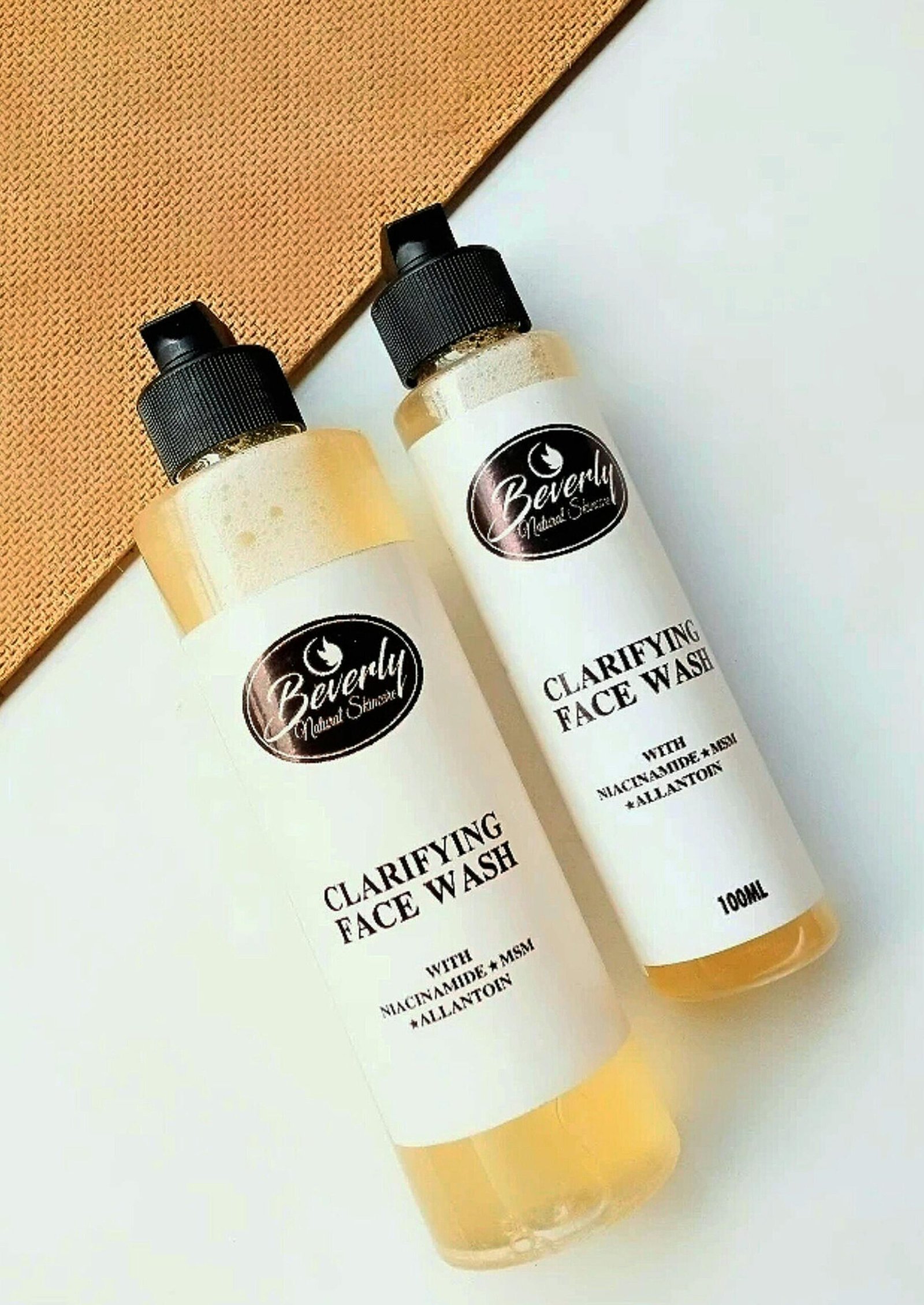
Serums and creams designed for leave-on use are the preferred vehicles for delivering therapeutic levels of niacinamide because they sustain contact with the epidermis. Cleansers with niacinamide may provide transient exposure and are less likely to deliver clinically meaningful benefits unless left on briefly. We recommend serums or moisturizers for targeted treatment.
Formulation vehicles that improve stability and delivery
Aqueous vehicles, often combined with humectants like glycerin or hyaluronic acid, are common and effective. Emulsion systems with lipid phases can also enhance barrier-repair synergy. Penetration enhancers are rarely necessary given niacinamide’s small, water-soluble profile, but appropriate formulation balances (humectants, emollients, surfactant residues) influence skin feel and tolerability.
Encapsulated or buffered forms and their claimed benefits
Some manufacturers use encapsulation, liposomal delivery, or buffered niacinamide to claim improved penetration, sustained release, or reduced irritation. Encapsulation may protect the active in complex formulas and modulate release, but the clinical advantage over well-formulated free niacinamide is product-dependent. Buffered forms can help maintain a skin-friendly pH and further reduce irritation risk for sensitive individuals.
Practical notes on pH sensitivity (generally stable across pH)
Niacinamide is chemically stable across a broad pH range and does not require highly acidic or alkaline conditions. It maintains efficacy in typical cosmetic pH windows (roughly pH 4–7). Concerns about interaction with ascorbic acid at low pH are largely historical; modern stabilized formulations and practical layering strategies mitigate potential issues.
Choosing the Right Niacinamide Product
We recommend a considered approach when selecting niacinamide products, reading labels carefully and matching formulations to individual skin needs.
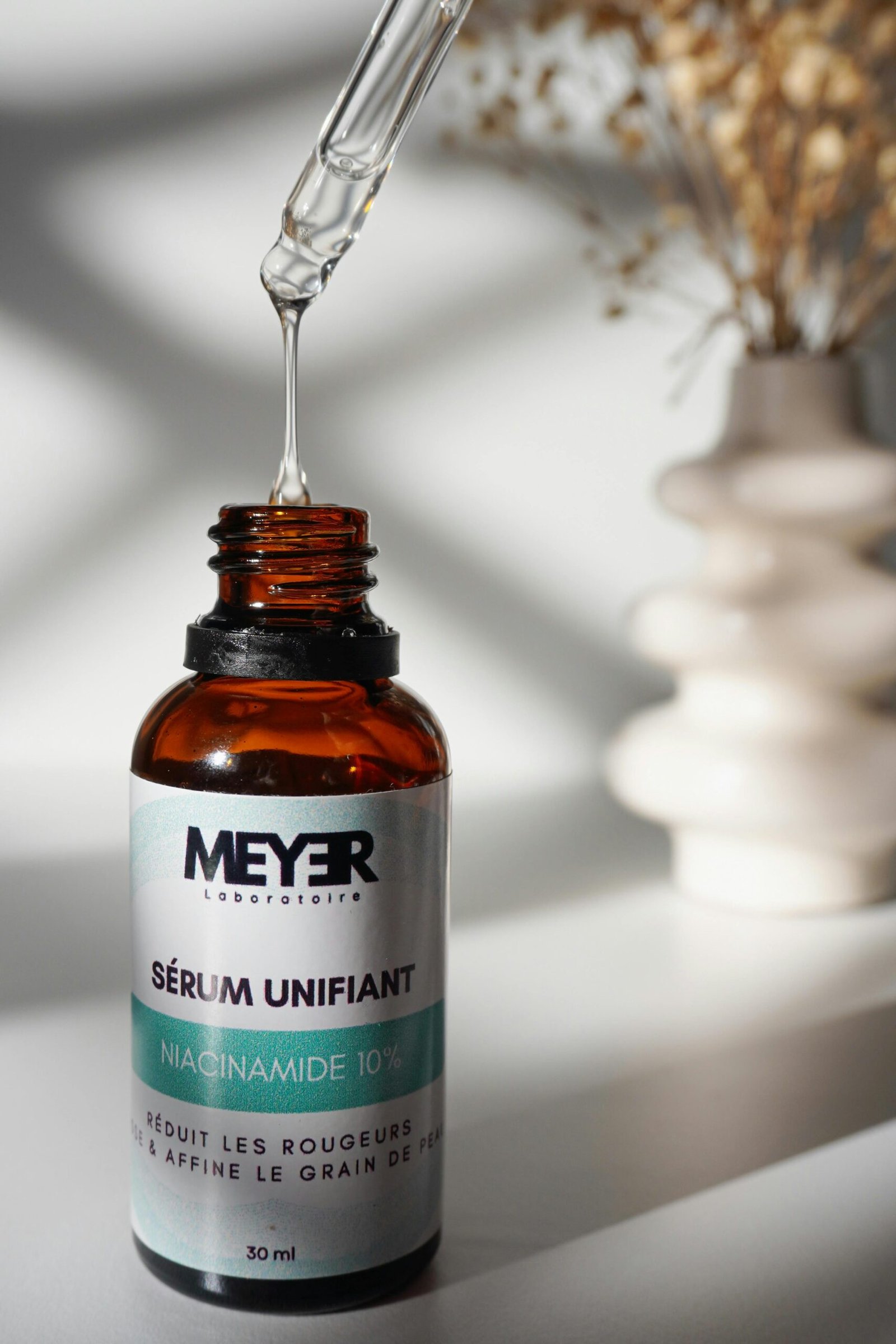
Reading the INCI list to confirm niacinamide concentration and placement
To estimate concentration, check the ingredient list (INCI) and see where niacinamide appears relative to other ingredients. Ingredients are listed in descending order by concentration for components over 1%. When niacinamide appears near the top, it is likely included at an effective concentration. Some brands explicitly state the percentage on the label; we favor transparent formulations.
Selecting formulations matched to your skin type (lightweight serums for oily; richer creams for dry)
For oily or acne-prone skin, lightweight aqueous serums or gel formulations with 2%–5% niacinamide are appropriate. For dry or mature skin, richer creams or emulsions combining niacinamide with ceramides, fatty acids, and emollients support barrier repair while delivering the vitamin. Combination skin can benefit from serums layered under targeted moisturizers.
Avoidance of unnecessary irritants: fragrance, denatured alcohol, harsh preservatives
We advise avoiding products that combine niacinamide with unnecessary irritants such as fragrant essential oils, denatured alcohol in high concentrations, or aggressive preservatives that may provoke sensitivity. Clean, minimal formulations tend to offer better tolerability while still delivering benefits.
Packaging considerations to protect stability (opaque, airtight)
Although niacinamide is relatively stable, we prefer opaque, airtight packaging to protect against contamination, microbial growth, and unnecessary exposure to air and light, particularly in multi-ingredient formulas that include less-stable actives.
Looking for complementary actives (hyaluronic acid, ceramides, antioxidants)
Complementary ingredients enhance niacinamide’s benefits: hyaluronic acid and glycerin for hydration, ceramides and fatty acids for barrier repair, antioxidants (vitamin E, polyphenols) for oxidative protection, and gentle exfoliants or retinoids for pigment and texture work. Formulations that combine niacinamide with these actives can provide synergistic outcomes.
How to Introduce Niacinamide into Your Routine
We emphasize a gradual, measured introduction to monitor tolerance and maximize sustained benefits.
Begin with a lower concentration or alternate-day use for sensitive skin
For sensitive or reactive skin, start with a lower-concentration product (around 2%) or apply niacinamide every other day. This approach helps us observe tolerance and reduce the chance of transient irritation.
Order of application: after cleansing and toning, before heavier creams and occlusives
Apply niacinamide-containing serums or lightweight lotions after cleansing (and after any water-based toner/essence), then follow with thicker creams, oils, or occlusives. This ensures optimal epidermal contact and barrier-enhancing synergy with subsequent moisturizers.
AM and PM considerations — generally safe for twice daily use; always pair with sunscreen in AM
Niacinamide is generally safe for twice-daily use. In the morning, we pair it with sunscreen to protect against UV-mediated hyperpigmentation and photoaging. There is no strict restriction on using niacinamide with other actives at night, but we tailor combinations to minimize irritation.
Patch testing and the recommended observation period before full-face use
We recommend a patch test on a small area of skin (behind the ear or inner forearm) and observing for 48–72 hours for immediate reactions. For full-face introduction, monitoring over 2–4 weeks gives a clearer picture of tolerability and early benefits before increasing frequency or concentration.
Progressively increasing frequency or concentration while monitoring response
If the initial introduction is well tolerated, we increase application frequency to daily, and, if desired, step up concentration gradually while monitoring for redness, stinging, or breakout exacerbation. Incremental changes reduce the risk of cumulative irritation.
Compatibility with Other Skincare Ingredients
We consider niacinamide a compatible and versatile ingredient that pairs well with many actives, though reasonable sequencing and timing can optimize outcomes.
Retinoids and niacinamide: complementary effects and suggested sequencing
Niacinamide complements retinoids by reducing inflammation and supporting barrier repair, which can mitigate retinoid-associated irritation. We typically apply niacinamide either before a retinoid as a hydrating base or after a retinoid once the retinoid has absorbed; both sequences are acceptable. Using niacinamide in the morning and retinoid at night is another simple strategy.
Vitamin C (ascorbic acid): practical strategies to use together (buffering, separate times)
Although earlier theories suggested incompatibility between niacinamide and ascorbic acid, contemporary evidence indicates they can be used together safely in many formulations. If concern remains, we recommend using vitamin C in the morning and niacinamide in the evening, or spacing their application (e.g., vitamin C in AM and niacinamide PM) to reduce potential for irritation and maximize each active’s performance.
AHAs/BHAs: using with chemical exfoliants safely and how to layer to reduce irritation
Niacinamide can be combined with AHAs/BHAs, but exfoliating acids can increase permeability and the potential for irritation. We advise applying acids first, allowing them to absorb and neutralize per product instructions, then applying niacinamide as a calming, reparative follow-up. For sensitive skin, stagger usage (acids and niacinamide on alternate nights).
Hyaluronic acid and humectants: pairing for hydration boost
Niacinamide pairs excellently with humectants like hyaluronic acid and glycerin. Combining these acts to both reduce TEWL and draw and retain water in the stratum corneum, producing rapid-feeling improvements in hydration and plumpness.
Peptides, ceramides and antioxidants: synergistic combinations for barrier and anti-aging
Niacinamide works synergistically with peptides (supporting collagen-related signaling), ceramides (direct barrier lipids), and antioxidants (reducing oxidative stress). Formulations that blend these classes offer a multifaceted approach to barrier repair, anti-inflammatory action, and anti-aging support.
Niacinamide for Different Skin Types and Concerns
We tailor recommendations to the needs of various skin types and concerns, given niacinamide’s broad utility.
Oily and acne-prone skin: sebum regulation and anti-inflammatory gains
For oily and acne-prone skin, niacinamide reduces sebum production, calms inflammation, and can improve lesion appearance. Lightweight serums with 2%–5% niacinamide are often effective and well tolerated, and niacinamide can complement topical acne medications by decreasing irritation and supporting barrier function.
Dry and sensitive skin: barrier repair and reduced irritation strategies
Dry and sensitive skin benefits from niacinamide’s barrier-repair effects. We prefer niacinamide in combination with emollients, ceramides, and humectants, applied in richer formulations or layered under moisturizers. Introduce slowly to monitor tolerance and avoid pairing with too many strong actives simultaneously.
Hyperpigmentation and melasma: optimal concentrations, adjunctive therapies, and expectations
For hyperpigmentation and melasma, niacinamide can be helpful—often in 4%–5% concentrations—as part of a multimodal plan. We manage expectations: niacinamide can lighten post-inflammatory and epidermal pigmentation over weeks to months but is usually most effective when combined with sun protection, topical retinoids, hydroquinone or tranexamic acid (when indicated), and procedural options for resistant cases.
Aging and photo-damaged skin: texture refining and barrier-support benefits
In photo-damaged and aging skin, niacinamide improves texture, supports collagen-related processes indirectly via cellular energy support, and enhances barrier resilience. When paired with antioxidants and retinoids, niacinamide supports a comprehensive anti-aging regimen.
Rosacea-prone skin: calming properties and patch-test caution
Rosacea-prone skin can benefit from niacinamide’s anti-inflammatory and barrier-repair properties, but individuals with very reactive skin should patch test and introduce the ingredient slowly. We often see reductions in transient flushing and sensitivity when niacinamide is tolerated.
Common Side Effects and How to Manage Them
We provide practical guidance to recognize and manage potential adverse effects while maximizing tolerability.
Typical mild reactions: transient redness, stinging or tightness — causes and mitigation
Mild reactions such as transient redness, stinging, or a feeling of tightness can occur, particularly when first introducing higher concentrations or combining niacinamide with exfoliants. To mitigate these effects, reduce application frequency, switch to a lower concentration, or apply niacinamide over a moisturizer to buffer direct exposure.
More significant reactions: contact dermatitis and signs to discontinue use
Although uncommon, allergic contact dermatitis can occur. Signs include persistent itching, spreading redness, blistering, or eczematous changes. We advise discontinuing use and consulting a dermatologist if such reactions occur.
How to reduce irritation: lower concentration, less frequent use, apply over moisturizer
If irritation develops, we recommend stepping down to a lower concentration, using the product every other day, or applying niacinamide over a moisturizer rather than directly on bare skin. These steps often allow continued benefit while reducing side effects.
When to avoid layering with other strong actives to prevent cumulative irritation
Avoid layering multiple strong actives (e.g., high-strength acids, potent vitamin A derivatives, high-concentration vitamin C) at the same time on sensitive skin. Staggering their use—alternating nights or using different actives in AM/PM—reduces cumulative irritation risk.
Timeline for expected tolerance and when to consult a dermatologist
Mild irritation typically resolves within days to a couple of weeks as tolerance develops. If symptoms persist beyond 2–4 weeks or worsen, or if there are signs of a more severe reaction, we advise consulting a dermatologist for evaluation and tailored care.
Conclusion
We summarize the clinical and practical points that make niacinamide a versatile and dependable part of many skincare routines.
Key takeaways: why niacinamide is a versatile, well-tolerated staple for many skin types
Niacinamide is a multifunctional, well-tolerated vitamin B3 derivative that supports barrier repair, reduces inflammation, helps regulate sebum, improves pigmentation by inhibiting melanosome transfer, and refines texture. Its broad safety profile and compatibility with many other actives make it a valuable staple for diverse skin types.
Practical checklist for choosing, introducing, and combining niacinamide products
- Check the label for explicit percentage or niacinamide’s position on the INCI list.
- Choose a vehicle suited to skin type (serum for oily, cream for dry).
- Avoid unnecessary irritants (fragrance, high alcohol).
- Prefer opaque, airtight packaging.
- Patch test for 48–72 hours; introduce gradually.
- Start with 2%–5% for most concerns; consider up to 10% cautiously.
- Pair with hyaluronic acid, ceramides, antioxidants, and sunscreen; stagger strong actives.
Realistic timeline and expected benefits to communicate to users
Users can expect hydration and barrier improvements within 1–4 weeks, reductions in redness and some inflammatory lesions within a few weeks, and measurable improvements in hyperpigmentation and pore appearance typically over 8–12 weeks with consistent use. Full benefits for persistent pigmentary issues may require longer durations and adjunctive treatments.
When to seek professional advice and next steps for complex skin concerns
We recommend consulting a dermatologist for severe acne, recalcitrant hyperpigmentation (including melasma), suspected allergic reactions, or if multiple actives are to be combined into a complex regimen. A clinician can provide targeted therapies, prescription-strength options, or procedural adjuncts when topical niacinamide alone is insufficient.
We encourage a measured, evidence-informed approach: choose well-formulated niacinamide products, introduce them thoughtfully, and combine them with sun protection and complementary actives to achieve durable improvements in skin health.